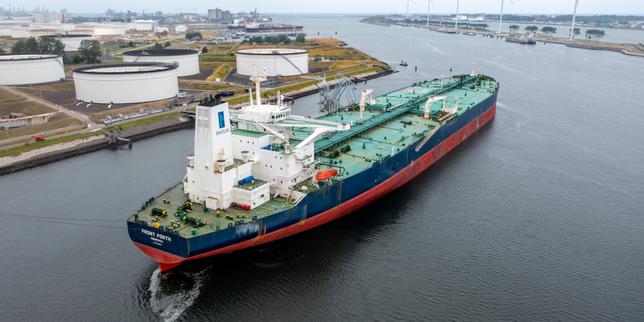
War doesn't just rattle borders. It rewires supply chains, spikes pump prices overnight, and forces governments to rethink what happens when a single chokepoint gets squeezed.
According to the International Energy Agency's World Energy Outlook 2026, released in November 2026, disruptions tied to the Iran war and flows through the Strait of Hormuz have created the largest energy supply shock the world has faced. Cumulative losses have hit 2.8 billion barrels of oil and 60 billion cubic meters of gas from the Gulf, while diesel prices have surged past USD 200 per barrel amid Red Sea risks and ongoing fallout from Russia's war in Ukraine. Yet one of the biggest shifts isn't just higher fuel bills at the pump. It's a push toward electric cars, solar, and domestic power that many leaders didn't expect to move this fast on security grounds alone.
Honestly, people used to argue about electric vehicles mostly through a climate lens. Now the conversation sounds a lot more like national defense. When a conflict thousands of miles away can blow up your fuel costs or starve your freight lines of diesel, buying electricity made closer to home starts looking less like an ideological choice and more like basic survival.
Why the Iran War Is Pushing Drivers Toward Electric Cars
For years, skeptics treated electric cars as a niche play propped up by subsidies and green targets. High fuel shocks change the math fast. When gasoline and diesel prices swing wildly because tanker routes through the Strait of Hormuz are disrupted, running a car on domestic grid power or rooftop solar suddenly feels way more predictable.
IEA Executive Director Fatih Birol has pointed out that the crisis delivered a massive shock to the system and that there's no credible pathway back to how the energy world operated before. Drivers are already reacting to oil and gas pain by looking harder at electric vehicles and solar panels. You don't need a PhD in energy economics to see why. If your local utility generates power from wind, solar, hydro, or nuclear, a spike in Gulf crude doesn't hit your wallet the exact same way it hits someone filling up a diesel truck.
Here's the catch, though. Going electric isn't a magic wand you wave and suddenly you're immune to every price swing. If a grid still relies heavily on imported natural gas or coal, higher fuel costs can still leak into electricity bills. And if a country lacks fast chargers, apartment charging access, or reliable grid capacity, switching to an EV is way harder in real life than it sounds in a press release.
The Chokepoint Math Behind the Energy Shift
To understand why this shock hits so hard, look at the numbers around the Strait of Hormuz. Before the Iran war, roughly 20 million barrels of oil per day moved through that narrow waterway. In the IEA's modeling, alternative routes and demand shifts could pull oil transiting the strait down to 8.5 million barrels per day by 2030, and potentially under 2 million barrels per day by 2035 under a major response path.
Think about what that means for energy security. Pipelines like Saudi Arabia's East-West system and the UAE's Habshan–Fujairah line can bypass parts of the route, and new liquefied natural gas export projects outside the Middle East offer some breathing room. Still, physical bypasses take time, money, and steel. Meanwhile, electrifying transport and heating cuts the need for imported oil and gas on the demand side.
In the IEA's Additional Responses / Accelerated Response (ARC) scenario, global oil demand in 2035 lands 4.4 million barrels per day lower than in the Stated Policies Scenario, with electric vehicles alone displacing more than 11 million barrels per day of oil demand. Even in the Stated Policies trajectory, electricity's share of final energy consumption is projected to climb from roughly 23% today toward 30% by 2035, while renewables' share of power generation rises from about 33% toward 45% to 50%.
What Most People Miss About Electrification and Risk
I've watched plenty of energy debates go sideways because folks treat "clean energy" and "energy security" as automatic twins. They aren't always. Sometimes they pull in opposite directions, and pretending otherwise only sets people up for bad policy.
Solar and Nuclear Gain Ground, While Coal Lingers
When governments panic about imported fuel supplies, solar and nuclear stand out as obvious ways to build domestic generation. Both keep money and supply control closer to home once built. At the same time, the IEA notes that energy security worries can tempt coal-rich countries to lean on coal as a fallback option during a squeeze. That's a messy reality check for anyone hoping a wartime fuel shock automatically produces a straight line to net zero.
Grids, Data Centers, and Cooling Demand Are Colliding
Even if every automaker builds great electric cars, the wires have to carry the load. The IEA highlights that grid bottlenecks, charging infrastructure gaps, and supply constraints can slow down how fast electrification scales. Worse, electricity demand isn't coming just from cars anymore.
Rising global cooling demand—with building cooling surpassing heating demand for the first time—alongside expanding data centers is pushing power systems harder right when reliability matters most. If utilities don't upgrade substations, transmission lines, and storage at the same pace, drivers could face higher peak electricity prices or slower charging rollouts.
Developing Economies Face a Tougher Squeeze
While wealthier markets can subsidize EVs, build out charging corridors, or absorb price spikes more easily, emerging and developing economies face sharper trade-offs. High fuel prices and supply disruptions threaten recent progress on basic energy access, including clean cooking and electricity connections. A conflict in the Gulf doesn't hit every household equally. Often, the people with the smallest financial cushion feel the sharpest pain.
COP31 and the Gap Between Headlines and Reality
The timing of the IEA's November 2026 report—right in the middle of the second and final week of the COP31 climate talks in Antalya, Türkiye—underscores the tension between markets and diplomacy. Advocates at the talks have pushed hard for a clear commitment to transition away from fossil fuels, pointing out that economic shocks and climate risks are colliding.
Yet even with faster adoption of low-emissions technologies, the IEA warns there remains a wide gap between current or stated policy paths—which point toward roughly 2.5°C to 2.9°C of warming—and a 1.5°C-aligned pathway. Markets can accelerate EVs and solar because fuel is expensive and risky. Diplomacy still struggles to lock in the speed and fairness needed to hit strict climate targets.
If you're trying to make sense of the noise right now, keep two truths in your head at once. First, the Iran war has exposed how fragile fossil fuel transit routes remain, giving electric cars and domestic power a real strategic tailwind. Second, war doesn't solve grid bottlenecks, battery supply chains, or affordability gaps by itself.
Practical Next Steps You Can Take Right Now
If you're an individual driver, a fleet operator, or someone tracking energy markets, don't make big decisions off hot takes alone. Run the numbers for your actual situation.
- Check your real driving and charging setup: If you can charge at home or work at a steady rate, compare total cost of ownership using current local electricity rates versus volatile gas or diesel prices—not peak panic prices or cherry-picked averages.
- Watch local grid and utility rules: Look into time-of-use electricity tariffs, smart chargers, and any grid connection wait times in your area before committing to heavy electric equipment.
- Diversify your own risk where practical: Whether that means pairing rooftop solar with storage where economics make sense, keeping a mix of transport options, or tracking how freight and diesel costs affect your business margins, build slack into your plans.
- Separate wartime spikes from long-term trends: Oil and gas prices can swing sharply on security headlines, while EV adoption, grid buildouts, and power demand play out over years. Base multi-year budgets on multi-year fundamentals.