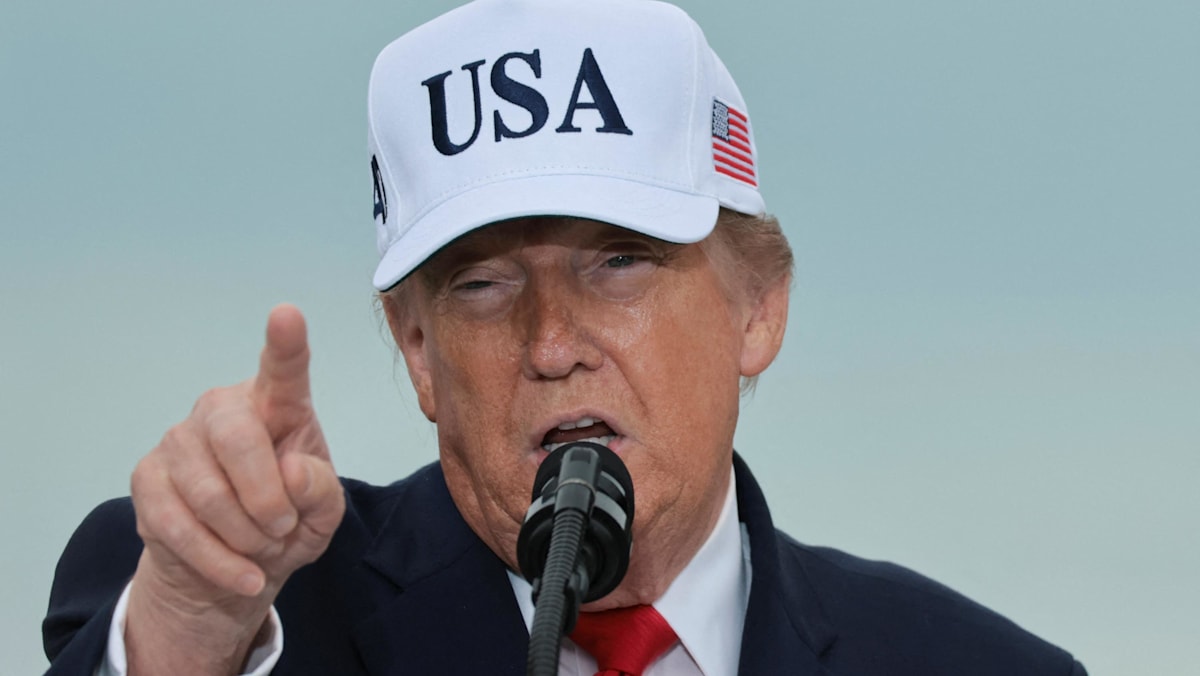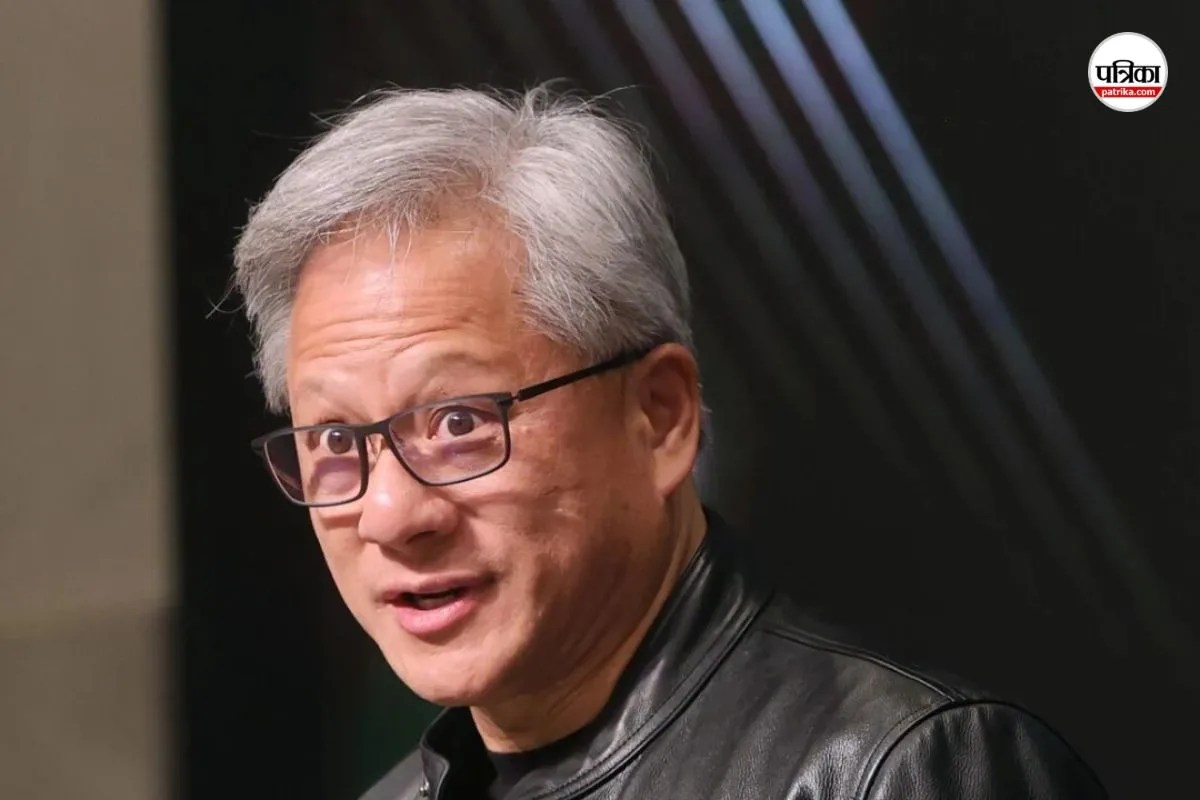
Power dynamics between Washington and Silicon Valley are shifting in real-time. When Donald Trump heads to Shenzhen for the upcoming APEC summit, his entourage of American business heavyweights will tell you everything you need to know about who holds leverage right now. Elon Musk and Mastercard chief Michael Miebach are locked in to join the presidential delegation. But Jensen Huang, the man supplying the silicon brains for the global artificial intelligence boom, finds his seat suddenly in doubt.
This isn't just about who gets a spot on Air Force One. It is a high-stakes signal on corporate geopolitics, national security investigations, and how fragile tech alliances have become under modern trade scrutiny.
The Inner Circle Keeps Getting Thinner
Back in May, Trump’s state visit to Beijing featured a familiar roster of corporate titans. Musk, Miebach, and Huang all made the trip, serving as high-profile bridges between American capital and Chinese manufacturing might. They walked the halls together, smiling for cameras and projecting commercial stability.
Months change everything. Musk remains an indispensable fixture in Trump’s orbit. Tesla’s massive manufacturing footprint in Shanghai gives Musk a unique diplomatic lane that few other American CEOs can navigate. He speaks the language of both Washington protectionists and Beijing regulators without alienating either side. Miebach, steering Mastercard, slots neatly into delegations where global financial rails and cross-border digital transactions need steady institutional backing.
Huang’s situation, however, has unraveled quickly behind the scenes.
The Controversy Shaking Nvidia
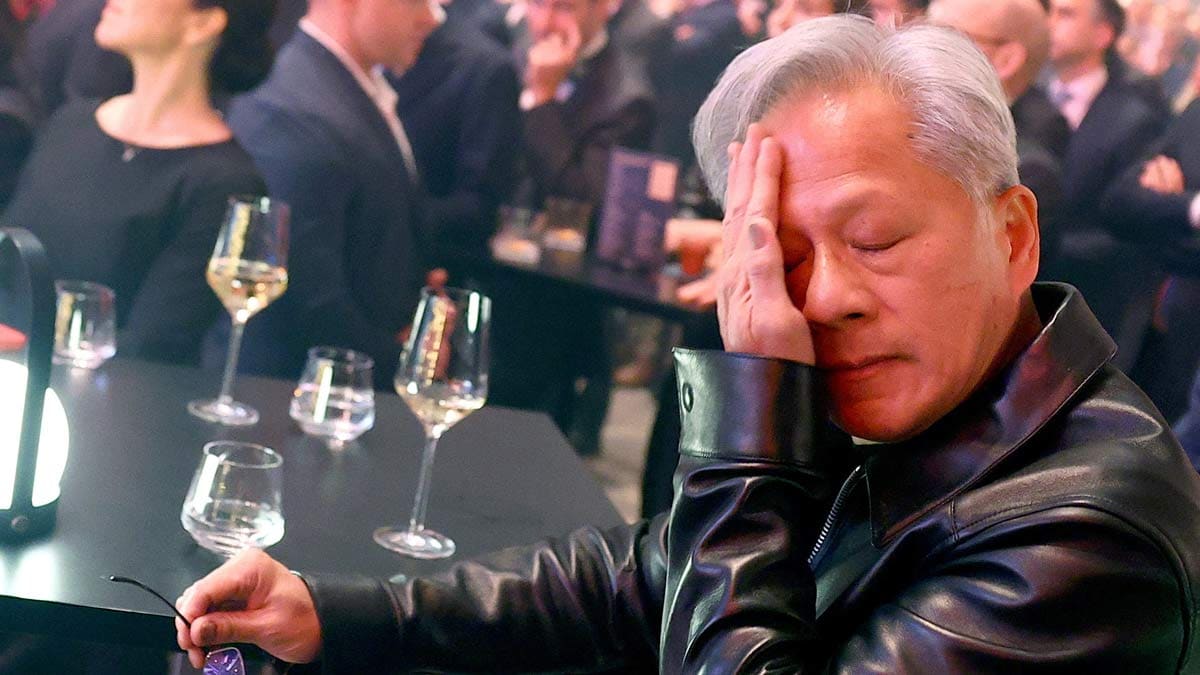
Nvidia's chief was deep in talks to secure his place on the flight to Shenzhen. That momentum hit a wall when Nvidia's board of directors initiated an internal investigation. The probe centers on whether Huang was targeted by a foreign intelligence operation, following reports detailing close ties to a Chinese businesswoman accused of passing information to Beijing.
For Nvidia, the timing couldn't be worse. The company has fought an uphill battle to secure regulatory clearance to sell its high-performance H200 artificial intelligence chips into the lucrative Chinese market. A presidential delegation trip to Shenzhen—the very heart of China's hardware ecosystem—would have offered prime lobbying territory. Instead, a security cloud now hangs over Nvidia's leadership, leaving Trump's administration and Huang's team scrambling to separate corporate diplomacy from counterintelligence alarms.
Trump himself offered a characteristic shrug when asked if Huang would still make the cut, noting he was unsure but open to it. Yet uncertainty in presidential optics usually means a polite disinvitation until the smoke clears.
What This Means for Global Tech Access
Shenzhen represents the physical crucible where hardware meets geopolitical friction. Bringing Musk while leaving Huang in limbo draws a sharp line.
Musk sells electric vehicles and clean energy infrastructure—sectors where Tesla competes fiercely on assembly lines. Huang sells the foundational compute powering modern intelligence, a commodity weaponized by export controls and national security hawks. When a chip architect becomes the subject of a board-level intelligence inquiry, the calculus changes from commercial expansion to defensive containment.
The delegation taking shape for APEC proves that proximity to political power requires absolute insulation from security liabilities. Musk and Miebach bring massive operational scale without the active regulatory crosshairs currently targeting Nvidia's corner of the semiconductor world.
If Huang stays home, it signals a quiet acknowledgment that tech diplomacy has strict boundaries. Silicon Valley visionaries can build the future, but crossing international borders with a presidential seal requires weathering storms that code and silicon cannot fix.