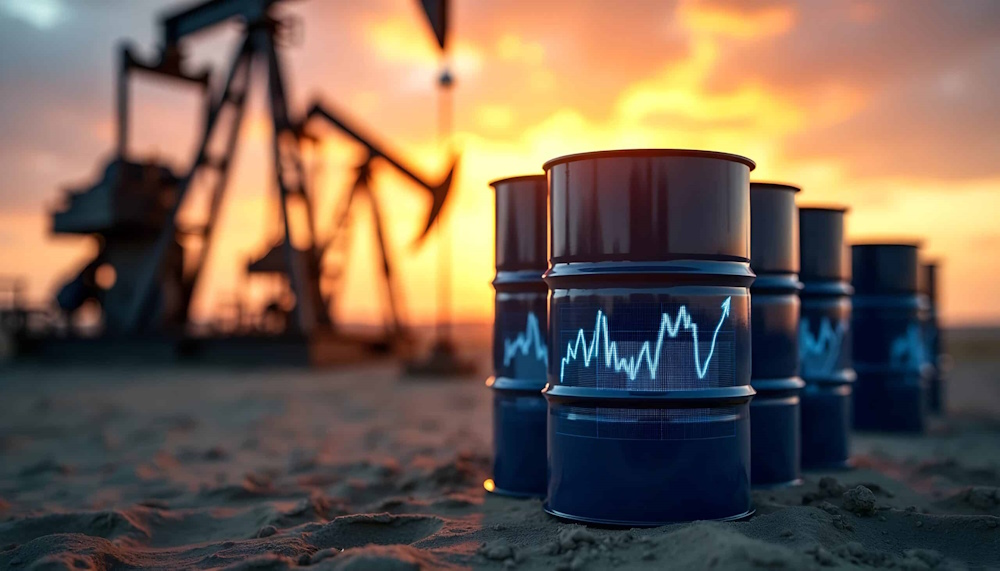
Crude markets don't care about political rhetoric nearly as much as they care about physical supply chains. When news broke that diplomatic channels between Washington and Tehran were opening up, energy traders didn't wait for formal treaties to be signed. They started dumping contracts immediately. Brent crude dropped sharply down to around $93 a barrel, while West Texas Intermediate slid roughly 4.5 percent to $86.75.
If you've been watching pain at the pump over the past year, this shift offers a massive sigh of relief. But beneath the surface drop lies a fragile energy market that reacts violently to every headline out of the Persian Gulf.
The Reality Behind the Strait of Hormuz Bottleneck
For months, the global economy has held its breath over the Strait of Hormuz. When military escalations between the United States, Israel, and Iran shut down this critical shipping lane earlier this year, nearly a fifth of the world's petroleum flow choked up overnight. Tankers faced drone threats, insurance premiums skyrocketed, and shipping companies rerouted vessels at immense cost.
That disruption baked a heavy risk premium into every single barrel of oil. Traders priced in the worst-case scenario: a prolonged regional conflagration that could keep energy supplies restricted indefinitely.
Now, signals of de-escalation are puncturing that fear. Reports that political leadership on both sides are engaging in serious talks have convinced energy desks that the physical flow of crude through the Gulf might finally return to pre-conflict norms. When the threat of absolute supply restriction evaporates, speculative pricing disappears right along with it.
What Traders and Consumers Miss About This Drop
Markets always overshoot, both on the way up and on the way down. While falling crude prices are great news for drivers and inflation-weary central bankers, structural bottlenecks don't vanish overnight. Even with mines being cleared from shipping routes and U.S. Central Command helping secure regional export lanes, the global energy architecture remains bruised.
Refineries
Why Falling Oil Prices Prove Washington and Tehran Are Finally Talking
business
Crude oil markets hate uncertainty. When whispers of direct diplomacy between Washington and Tehran start making the rounds, traders react instantly. Barrel prices dropped sharply following fresh signals that the U.S. and Iran might actually de-escalate years of intense military and economic friction.
If you watch energy markets, you know that geopolitical risk bakes billions of dollars into the cost of every single barrel pumped out of the Middle East. Traders call this the conflict premium. When that premium evaporates, the fallout hits gas stations, airline balance sheets, and global inflation metrics within days.
Let's break down what's actually happening behind the scenes, why markets moved so fast, and what this shift means for you if you're running a business or just trying to manage your monthly commuting budget.
The Real Cost of the Strait of Hormuz Chokepoint
You can't talk about oil and Iran without talking about geography. Roughly a fifth of the world's petroleum passes through the Strait of Hormuz. When tensions peak between American naval forces and Iranian Revolutionary Guard patrols, shipping insurance rates skyrocket. Tankers take longer routes, and refiners panic-buy inventory.
That structural vulnerability creates a massive pricing buffer. Whenever diplomatic channels open up—even informally or through third-party intermediaries—that panic premium drains out of the futures market.
People often misinterpret these sudden price drops as a sign of falling global demand. Usually, they aren't. They reflect a sudden recalculation of supply risk. Traders are betting that tankers can move freely without the threat of seizure, naval skirmishes, or facility strikes.
What Changed in the U.S. Iran Dynamic
Diplomatic breakthroughs rarely happen overnight, but political shifts in Washington often force a recalibration of foreign policy. The administration facing voters or congressional pressure has to balance economic stability with long-standing geopolitical objectives. High fuel prices hurt incumbent politicians at home. Pushing for backchannel talks with Iran becomes an attractive option when retail gasoline spikes past uncomfortable thresholds.
Tehran faces its own harsh economic realities. Years of heavy sanctions have strained state budgets, limited oil export revenues to restricted buyers, and created internal domestic pressure. Both capitals have strong incentives to find a workable arrangement, or at least a temporary ceasefire in the economic shadow war.
When rumors or concrete signals of diplomatic engagement leak, the market doesn't wait for a signed treaty. Traders price in the probability of future supply normalization immediately. That explains why a single diplomatic headline can wipe five or ten percent off crude benchmarks in a single afternoon.
How Lower Energy Costs Ripple Through the Global Economy
When oil drops, the relief isn't just about filling your car for less. Energy is an input cost for basically everything.
- Transportation and logistics companies see immediate margin expansion. Moving freight across continents gets cheaper, which eventually trickles down to retail goods.
- Airlines experience lower jet fuel expenses, which can stabilize ticket prices or boost quarterly earnings.
- Manufacturing plants that rely on petroleum-based inputs or heavy energy grids breathe easier.
However, don't expect utility bills or grocery prices to plummet overnight. Supply chains have lag times. Retailers price their inventory based on the expensive shipping costs they paid weeks ago.
Common Misconceptions About Oil Politics
A lot of casual observers think presidents control oil prices with a dial on the Resolute Desk. They don't. While White House policies, sanctions waivers, and diplomatic postures move the needle, global markets are driven by physical balances, refining capacities, and OPEC production quotas.
Another frequent mistake is assuming that peace talks mean a flood of Iranian oil hitting the market tomorrow. Even if sanctions lift entirely, Iran's energy infrastructure requires billions in foreign investment and technical overhauls to scale production back to historical peaks. Decades of underinvestment and equipment degradation don't fix themselves overnight.
What You Should Do Now
If you manage logistics, manufacturing, or supply chain operations, don't treat this price dip as a permanent new normal. Geopolitical flashpoints can flare up just as quickly as they cool down. Use this window of lower energy costs to lock in predictable operational expenses or hedge against future volatility if your contracts allow it.
Watch the freight indices and shipping insurance rates rather than just the headline Brent or WTI crude numbers. Those micro-indicators tell you whether the physical flow of oil is actually becoming cheaper and safer, or if the market is just reacting to political theater.
Markets will stay jumpy as details of these diplomatic discussions leak out. Keep a close eye on the actual volume of oil leaving Gulf ports rather than getting distracted by the daily noise of cable news pundits.