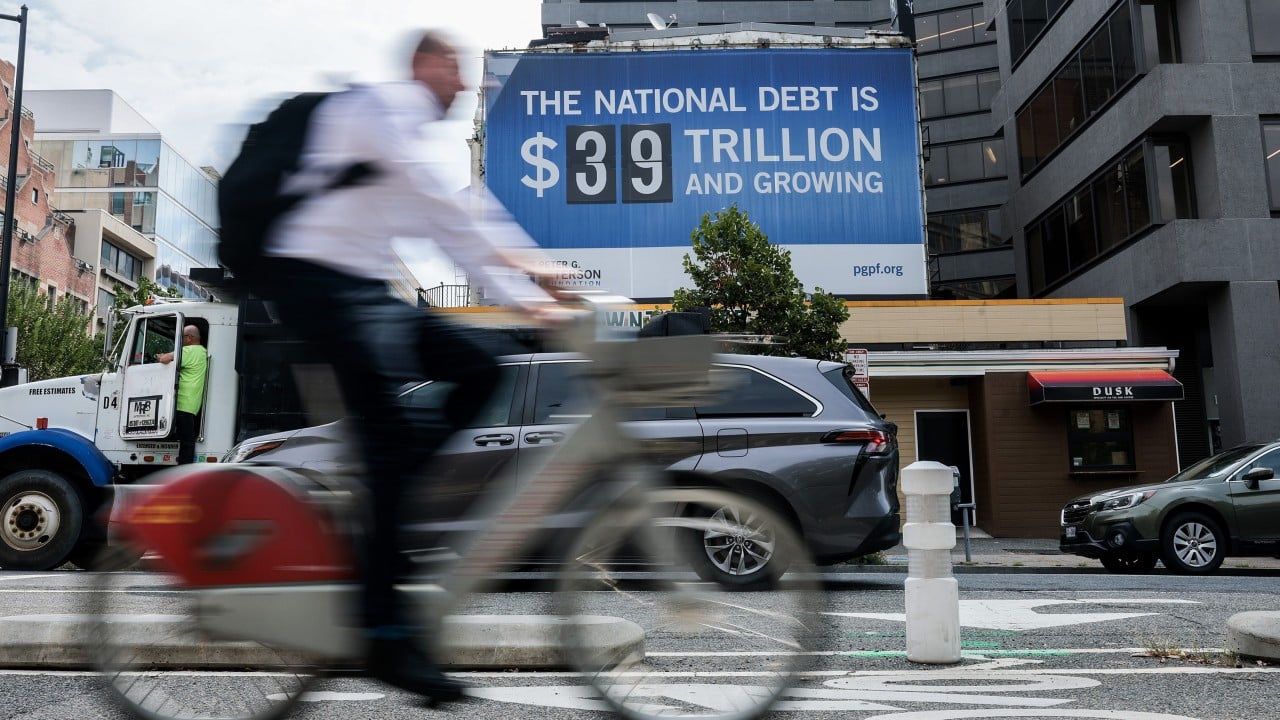
Every time Washington starts playing high-stakes chicken with the federal borrowing limit, veteran market watchers get flashbacks to the summer of 2011. Back then, standard fiscal brinkmanship pushed the United States to the absolute precipice of sovereign default, triggering S&P to strip the country of its coveted AAA credit rating and sending global equities tumbling. People called it a historic crisis. They were warned it could never get worse.
They were wrong.
If you think the political gridlock over the US debt ceiling back in 2011 or subsequent standoffs were as bad as it gets, you haven't been paying attention to how congressional dynamics have fractured since then. The structural ingredients are lining up for a fiscal collision that could dwarf past showdowns. When midterm election pressures merge with uncompromising factional politics, the result isn't just routine partisan theater. It's a loaded gun pointed directly at global financial stability.
Why 2011 Was Actually Easy Compared to Now
To understand why future debt ceiling standoffs carry catastrophic risk, you have to look at what saved the day back in 2011. Former House Speaker John Boehner hated the idea of default as much as mainstream economists did. He recognized that while his caucus wanted aggressive spending cuts, crashing the global economy was a bad career move.
Boehner engineered a messy, creative escape hatch. He allowed the majority party to get "rolled" on the floor, permitting a coalition of moderate Republicans and Democrats to push a resolution through. He valued institutional survival over ideological purity.
That speaker leverage doesn't exist today. House leadership has grown significantly weaker, shackled by procedural rules that empower tiny, highly ideological factions to trigger leadership challenges at a moment's notice. If a modern speaker allows a bipartisan debt ceiling compromise that bypasses hardliners, their own job security evaporates instantly. No one wants to risk the gavel just to prevent a treasury freeze.
The Toxic Intersection of Midterms and Borrowing Limits
Midterm elections change everything about how politicians calculate risk. When lawmakers face an upcoming primary challenge from their party's ideological flanks, compromise becomes toxic.
If you're a member of Congress eyeing a tough primary race, voting to raise the debt limit without securing massive, painful spending reductions is a career killer. You'll get labeled a sellout on cable news and social media within minutes. Conversely, holding the nation's credit rating hostage to extract domestic policy concessions plays extremely well to base voters who want government spending reined in at any cost.
This creates a perverse incentive structure. The personal political reward for standing firm and refusing to compromise is high. The collective penalty—a potential market crash or a technical default—is diffused across millions of citizens and investors who won't directly punish individual lawmakers at the ballot box with the same fury as primary voters.
When individual survival requires gridlock, gridlock wins every single time.
The Fiscal Math Has Turned Ugly
Beyond the toxic politics, the underlying numbers are vastly worse than they were a decade ago. The national debt has ballooned dramatically, meaning the absolute dollar amounts required to service interest payments consume a much larger share of federal revenue.
Higher interest rates compound the problem. During the 2011 showdown, the Federal Reserve was maintaining near-zero interest rates, which provided a massive cushion against borrowing costs. Today's monetary environment is entirely different. Servicing national debt in a higher-rate regime eats up hundreds of billions more, narrowing the margin for error and accelerating the date where extraordinary measures run completely dry.
When Treasury Secretary Janet Yellen or her successors step up to warn that cash buffers are dwindling, they aren't crying wolf. The cash burn rate is faster, and the global debt pool is far more leveraged.
Markets Are Comfortably Numb
Perhaps the scariest part of this trajectory is investor complacency. Markets have developed a heavy dose of fatigue regarding Washington fiscal drama. Investors have watched politicians scream at each other for weeks, drive right up to the literal edge of the cliff, and then strike an eleventh-hour deal before the markets officially panic.
This creates a dangerous boy-who-cried-wolf syndrome. Because past standoffs ended with a last-minute rescue, institutional investors tend to price in a miraculous resolution until proven otherwise.
That complacency leaves zero room for error. If a fragmented Congress miscalculates the timing, or if a procedural hurdle in the House blocks a floor vote longer than anticipated, markets won't have a gradual warning period. The shock will be instantaneous. Bond yields will spike unpredictably, liquidity in overnight funding markets could freeze, and retirement portfolios will absorb the immediate blow of a self-inflicted wound.
The next time Washington starts playing chicken with the full faith and credit of the United States, don't expect a neat repeat of 2011. The guardrails are gone, the margins are thinner, and the politicians have even less room to blink.
Prepare your portfolio and your risk models accordingly.