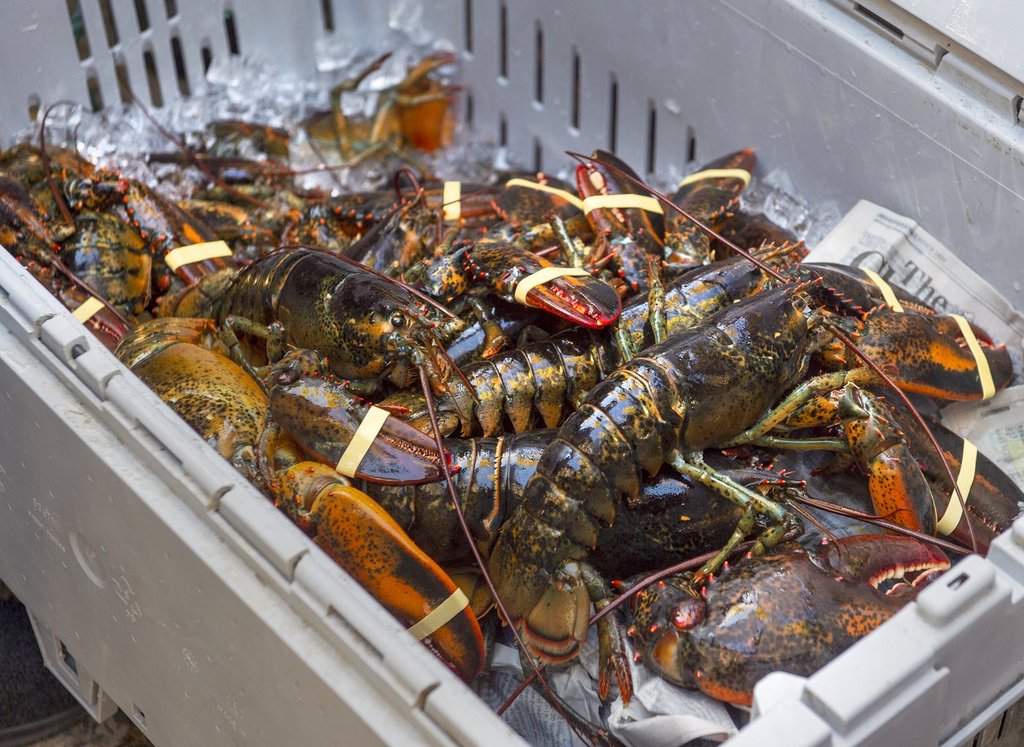
When Ottawa announced an extension to the tariff relief agreement with Beijing, keeping doors open for Canadian lobster, crab, and canola through 2028, the collective sigh of relief echoed all the way from Halifax wharves to rural processing plants. Kris Vascotto of the Nova Scotia Seafood Alliance called the news an immediate weight off an industry that watched nearly a quarter of a billion dollars vanish when punitive tariffs bit hard. Live lobster exports surged past the $200 million mark following the initial March arrangement, a sharp rebound from previous slumps.
Yet, beneath the glossy trade announcements and ministerial handshakes, a quieter reality persists. Not everyone in Atlantic Canada’s multi-million dollar seafood sector is popping champagne. While major industrial exporters secure predictable pathways into the lucrative Asian market, independent operators and smaller players argue they are still left navigating structural roadblocks that threaten their survival.
The Real Cost of Trade Volatility
You can't talk about Nova Scotia seafood without acknowledging how fragile supply chains truly are. When trade tensions flare up, smaller fishers and independent packers absorb the shockwaves first. Large conglomerates possess the capital reserves to pivot, absorb short-term losses, or warehouse inventory until disputes resolve. Local owner-operators do not.
The temporary suspension of tariffs prevents an immediate 25 percent tax wall that would have crippled spring and winter fisheries. But temporary reprieves create a specific kind of commercial anxiety. Businesses hesitate to lock in long-term fleet investments, processing automation, or localized hiring when they know the rules of the game might shift abruptly once political winds change.
Why Small Exporters Feel Left Out
Trade deals look great on paper, but logistics reveal the friction. Major processing houses with established distribution networks in Shanghai and Beijing reap the lion's share of the benefits. They command the cargo space, secure direct flights, and maintain the high-volume relationships required to move perishable cargo across the globe in hours.
Independent exporters face a different set of hurdles. High air freight costs, limited cargo capacity out of regional airports, and complex bureaucratic certification processes eat away at already razor-thin margins. When government trade missions celebrate a 56 percent jump in export values, that metric often masks the concentration of wealth at the top. The revenue flows heavily to high-volume corporations, while boutique harvesters and smaller local buyers struggle to cover surging operational expenses like bait, fuel, and dock fees.
Furthermore, certain niche seafood products native to Atlantic waters continue to face lingering regulatory barriers or exclusion from preferential tariff schedules. While live lobster and crab grab the headlines, secondary species and smaller-scale catch sectors are left out in the cold, footing high costs without the benefit of lowered duties.
The Broader Economic Gamble
The trade extension didn't happen in a vacuum. To secure favorable terms for lobster, canola, and peas, federal negotiators made concessions on other fronts, including adjustments on steel, aluminum, and electric vehicle import limits. It is a high-stakes balancing act where regional resource sectors rely heavily on federal macroeconomic strategy.
When national trade priorities clash with local operational realities, rural coastal communities take the hit. Nova Scotia’s economy depends deeply on keeping these coastal loops functioning. If independent operators get squeezed out by high overhead and unequal access to international distribution channels, the historic character and economic diversity of our fishing villages begin to erode.
What Needs to Happen Next
Certainty through 2028 buys valuable time, but stability requires structural reform rather than short-term fixes. Federal and provincial agencies need to shift focus toward direct logistics support for small and medium-sized seafood enterprises. Subsidized freight corridors, streamlined export inspection protocols, and targeted domestic market diversification programs would ensure that growth isn't restricted to a handful of massive players.
If you run a local operation or invest in the maritime seafood space, stop relying solely on macro trade pacts to secure your bottom line. Diversify your buyer base, optimize shipping logistics at a regional level, and build resilient direct-to-consumer or secondary market channels that insulate your business against geopolitical whiplash.