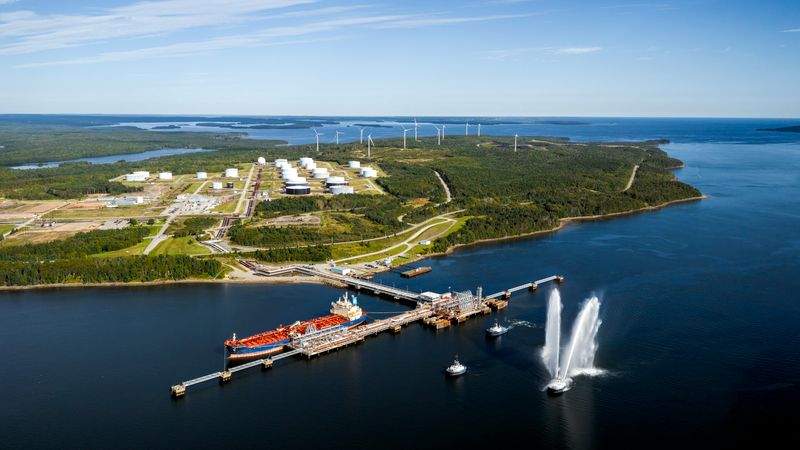
Big green energy promises usually amount to little more than press releases and forgotten slideshows. That template gets smashed by reality when massive capital actually hits the ground.
EverWind Fuels just dropped a massive ten billion dollar plan targeting Nova Scotia. They want to build an enormous data centre campus paired directly with new wind energy projects. Most people read that headline and miss the underlying structural shift. This isn't just about computers or power lines. It's about a total rewiring of how heavy industry and digital infrastructure collide in Atlantic Canada.
If you're watching the energy transition, you know the biggest bottleneck is always transmission. Everyone wants clean power, but nobody wants the massive towers running through their backyard. EverWind is trying a different playbook entirely. They are pairing the massive power appetite of modern tech directly with localized wind generation.
The Real Drivers Behind the Ten Billion Dollar Bet
Let's look past the corporate hype for a second. Why Nova Scotia? Why now?
The province isn't historically known as a global tech hub. It's famous for fisheries, rugged coastlines, and shipbuilding. But geography is destiny in the modern digital economy. Nova Scotia sits closer to Europe than almost anywhere else in North America. That makes it prime territory for transatlantic subsea cables.
At the same time, the region boasts some of the strongest onshore and offshore wind resources on the continent. Tech giants are starving for clean electricity. Artificial intelligence data centres require staggering amounts of constant juice. Traditional grids cannot handle the sudden surge.
EverWind spotted this collision course years ago. They realized that if you build the data centre right next to the wind farm, you bypass the worst of the grid congestion problems. You create a closed-loop system where heavy compute meets heavy wind.
Of course, building a multi-billion dollar campus in rural Nova Scotia brings massive friction. Local communities have real questions about land use, environmental impact, and whether everyday residents will see lower power bills or just higher transmission headaches.
What the Clean Energy Transition Actually Looks Like on the Ground
Theory sounds great in a boardroom. Execution is messy.
When you talk about massive wind projects feeding a data centre campus, you are talking about industrializing large swaths of landscape. Turbines aren't quiet. Access roads disrupt ecosystems. Fisheries and local wildlife habitats face immediate pressure.
EverWind has to navigate these hurdles carefully. The company previously focused heavily on green hydrogen and ammonia proposals in the same region. Pivot points like this show how fluid the energy market is right now. Hydrogen markets are developing slower than anticipated. Data centres, on the other hand, are the gold rush of the decade.
Companies pivot where the cash and the demand live. AI demand is insatiable. Green hydrogen is a long game. Marrying the two through shared wind assets gives EverWind a hedge. If hydrogen takes a decade to scale, the data centre clients pay the bills today.
You have to respect the commercial pragmatism, even if you question the timelines. Building projects of this magnitude takes years of regulatory review, environmental assessments, and Indigenous consultation. Anyone telling you shovels hit the ground tomorrow is selling you a fantasy.
Navigating the Local Economic Shockwave
Money changes places quickly when ten billion dollars enters a regional economy.
Construction trades in Nova Scotia will see a massive influx of work. Welders, electricians, heavy equipment operators, and engineers are about to become the most sought-after people in the province. But this boom brings classic Dutch disease risks. Housing markets in smaller municipalities near the development zones are already tight. An influx of high-paid transient workers can squeeze locals out entirely if municipal leaders don't get ahead of zoning and housing supply.
You also have to wonder about the grid impact. Even with dedicated wind projects, these facilities pull massive loads. Will everyday ratepayers subsidize the infrastructure upgrades? Regulators like the Nova Scotia Utility and Review Board will face intense pressure to protect residential consumers from footing the bill for corporate tech expansion.
Watch the power purchase agreements closely. That is where the real battle happens. Who gets priority when the wind stops blowing and the data centre still needs petawatts to train the next generation of models?
What Comes Next for Industrial Scale Compute
The old model of putting data centres near cheap fossil fuel plants is dead. Tech companies face strict corporate ESG mandates. They cannot buy dirty power without taking a beating from their shareholders and customers.
Projects like the EverWind campus preview the future of industrial site selection. Energy availability dictates tech expansion now. Silicon valley used to be about venture capital and smart kids in hoodies. The next phase is about who owns the wind rights and the substation access.
Nova Scotia is stepping into a high-stakes arena. If this succeeds, the province transforms into a clean tech powerhouse, proving that rust-belt and resource-dependent regions can reinvent themselves for the digital age. If it stumbles, it serves as a cautionary tale about overpromising on mega-scale transitions.
Keep your eyes on the permitting milestones and local community agreements over the next twenty-four months. That is where the reality check happens.
Take a hard look at your own local infrastructure investments and see where the energy grid intersects with your industry. The future belongs to those who secure their power before the grid runs dry.