For years, the public narrative around foreign fighters and ISIS supporters stuck to a narrow script. We pictured armed men in tactical gear, manning checkpoints or appearing in propaganda videos. But when the legal system finally corners individuals who played support roles behind the front lines, the rules of prosecution have to change.
That reality came crashing down in an Ontario courtroom with the landmark trial and conviction of Ammara Amjad. As the first woman in Canada to go on trial for her role inside the Islamic State without being an active combatant, her case forced prosecutors to answer a tough legal question. Can you convict someone of terrorism simply for being a wife, mother, and domestic anchor in a caliphate? Meanwhile, you can read similar stories here: Why Signing The Mortgage But Not The Note Saved One Iowa Homeowner From Foreclosure.
The jury said yes.
The Anatomy of a Terror Prosecution Without Frontline Combat
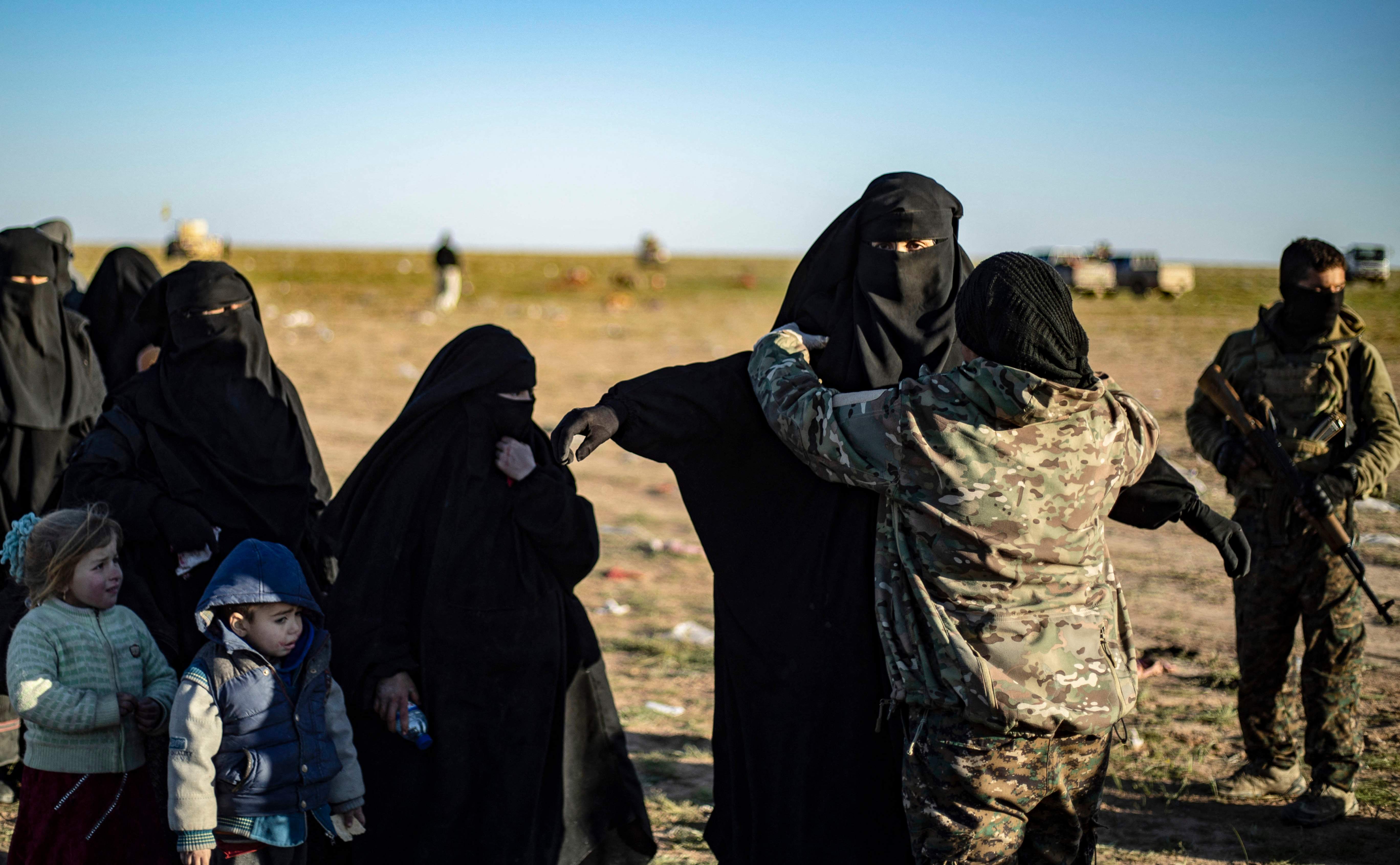
Amjad was living a comfortable life in Ontario as a former York University student and Walmart employee before she packed her bags. In March 2015, the Pakistan-born Canadian flew to Turkey, slipped across the border into ISIS territory, and stayed there for four years until the group collapsed. To understand the bigger picture, we recommend the recent report by TIME.
She wasn't firing rifles. She wasn't building bombs. Instead, the Crown’s case rested on something far more pervasive: sustaining the daily operational ecosystem of a terrorist state. Prosecutors argued that extremist groups cannot survive on fighters alone. They need domestic structures, familial loyalty, and ideological reinforcement to maintain life within captured towns.
The trial relied heavily on thousands of messages extracted from her mother's phone, which took the RCMP a full year to translate from Urdu. In those texts, Amjad didn't express regret early on. She framed her departure as a religious obligation, telling her distraught family back in Milton, Ontario, that everyone should take the same step.
Her defense team didn't call witnesses or present evidence, choosing instead to challenge the Crown to definitively prove what she actually did day-to-day inside Syria. But the jury deliberated for just one day before finding her guilty of participating in or contributing to the activities of a terrorist group.
Why This Verdict Changes Everything for National Security
This conviction isn't an isolated incident. It sits alongside other high-profile Canadian cases, like Montreal's Oumaima Chouay and British Columbia's Kimberly Polman, marking a definitive shift in how Western democracies prosecute non-combatant participants.
For a long time, intelligence agencies faced immense criticism for repatriation efforts, with critics arguing that bringing individuals back from detention camps in Syria opened the door to unpunished security threats. Trials like Amjad's prove that Canadian courts can and will secure convictions without needing proof of battlefield combat.
The legal precedent is clear. If you travel to join a recognized terror group, marry its members, manage a household under its laws, and propagate its ideology, you are part of the machinery. You aren't just an innocent bystander caught in someone else's war.
As security officials continue monitoring returning travelers and individuals repatriated from overseas camps, this ruling sets a heavy benchmark. The shield of "I was just a housewife" no longer holds up in a court of law. Domestic support is terror support. The legal system has caught up to that reality.