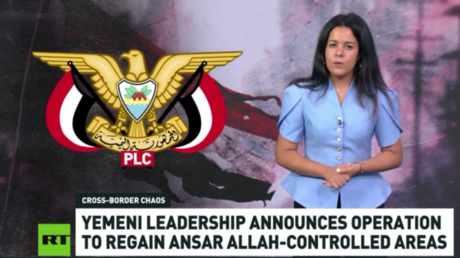
Yemen's decade-long conflict is shifting gears. The country's internationally recognized government, operating through the Presidential Leadership Council (PLC), recently ordered its armed forces to prepare for operations aimed at reclaiming territory held by the Houthis. A general mobilization is underway, signaling that the fragile ceasefires and stalemates holding parts of the country in place could shatter.
If you look purely at standard maps, the political geography tells one story. The PLC holds roughly 60.4% of Yemen's territory, while the Houthis control about 22.8%. But maps don't fight wars, and territory doesn't equal leverage. The Houthis hold the capital, Sanaa, and most of the country's densely populated hubs. Control over people translates directly to mobilization capacity, taxation, and administrative reach. Meanwhile, you can find related stories here: Why Senegal Oil And Gas Promises Are Falling Short Of Reality.
The Numbers Behind the Fracture
Military assessments place Houthi forces at roughly 350,000 fighters. On the other side, estimates for the fragmented PLC forces range wildly between 40,000 and 250,000 troops. Numbers on paper rarely match combat readiness. Hundreds of thousands of fighters mean very little if supply lines break down or weapons pipelines dry up.
The structural advantages split unevenly across both sides: To see the bigger picture, check out the excellent report by BBC News.
- The Houthi Advantage: Over a decade of conflict, the movement engineered a self-sufficient military-industrial complex. They developed long-range ballistic missiles, explosive drones, and domestic weapons manufacturing capacity. They also engineered a robust parallel economy, pulling in an estimated $2.5 billion annually through internal taxation, customs duties, and religious levies.
- The PLC Advantage and Vulnerability: The recognized government holds nominal administrative legitimacy and controls broader swaths of geographic land, but it depends heavily on external patrons. Saudi military assistance and financial lifelines keep the PLC apparatus functional, exposing it to shifts in foreign policy and regional diplomacy.
Why This Next Phase is Different
Past fighting in Yemen focused heavily on territorial lines and urban centers like Hodeidah or Taiz. This upcoming phase centers squarely on an economic and logistical war of resources. Control of ports, tax collection nodes, and supply routes dictates who can sustain a protracted campaign.
The Houthis aren't just a guerrilla militia anymore. They operate like a governing state in the territories they control, taxing commerce, managing internal security, and projecting power far beyond their borders through naval attacks and long-range strikes. When the PLC calls for total liberation, they are challenging an entrenched administrative state, not just a holding force in the mountains.
What Comes Next for the Region
Regional actors are watching these developments closely. Saudi Arabia and other Gulf states want stability on their southern border, making a renewed full-scale civil war an unwelcome prospect. Yet, the breakdown of diplomatic tracks leaves both Yemeni factions convinced they can alter the status quo by force.
Expect sporadic escalations to turn into prolonged skirmishes along key frontline governorates like Marib, Taiz, and Al-Hodeidah. Watch how supply chains adapt and whether international financial backers continue funding the PLC's mobilization efforts as domestic pressures mount.