Losing an election hurts, but the morning after a brutal political defeat forces a reckoning that campaign managers and pollsters usually spend months trying to avoid. When a party takes a severe beating at the ballot box, the immediate instinct is often to circle the wagons, blame the voters, or double down on ideological purity. But real political survival requires something much harder. It requires looking at the map, accepting that the electorate has shifted, and figuring out how to govern with a fractured coalition.
Following the historic midterm losses that handed Republicans control of the House, the political landscape changed overnight. Lawmakers who had ridden a wave of enthusiasm just two years prior suddenly found themselves out of a job or facing a drastically altered legislative reality in Washington. In closed-door meetings and public addresses, leadership had to address the elephant in the room: voters weren't just frustrated; they were punishing incumbents for a sluggish economy and a perceived disconnect from everyday financial anxiety.
The Danger of Ideological Bubbles
One of the biggest traps for any political party after a defeat is retreating into an ideological echo chamber. When you lose seats, the loudest voices inside the party often demand a purer, more uncompromising platform. They argue that the defeat happened because the message wasn't progressive or conservative enough. History and practical governance prove otherwise.
Electorates in competitive districts rarely map neatly onto rigid ideological extremes. The average voter cares far more about job growth, inflation, and stable schools than about internal partisan orthodoxy. If a party writes off entire blocks of voters because they don't fit a narrow ideological checklist, winning back majorities becomes nearly impossible. Pragmatism isn't a betrayal of values; it's the baseline requirement for staying relevant in a diverse country.
Why Adaptation Beats Finger-Pointing
After a major electoral shift, pointing fingers at low turnout or opposing campaign tactics offers short-term emotional comfort, but it solves nothing. The hard truth is that voters evaluate administrations based on bottom-line results. If middle-class families feel like they are treading water or slipping backward, no amount of sophisticated messaging will save an incumbent.
Effective leaders understand that they have to recalibrate. That means being willing to adopt good ideas regardless of where they originate, even if they come from across the aisle. Gridlock might feel satisfying to the most partisan flanks of a base, but it alienates independent voters who just want government to function.
Moving Forward Without Illusions
Navigating the aftermath of a midterm shellacking demands thick skin and a willingness to absorb criticism. Leaders cannot afford to live in a bubble where dissent is treated as disloyalty. Building a durable coalition means welcoming diverse viewpoints and acknowledging that compromise is the price of admission in a divided republic.
The next legislative cycle always arrives faster than expected. Those who learn the right lessons from a crushing defeat adapt, adjust, and find a way back to the table. Those who don't spend years wondering why the electorate left them behind.
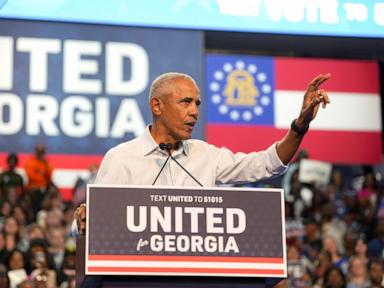
Obama speaks after mid-term losses
This archival footage captures the immediate press conference following the 2010 midterm elections, providing direct context on how leadership addressed the losses and shifted strategy.