When the United States military suddenly packs up its heavy bombers and ships them back home across the Atlantic, people notice. That is precisely what happened at RAF Fairford in Gloucestershire after a security scare rattled intelligence services on both sides of the ocean.
If you live near the Gloucestershire base or follow international defense policy, your immediate thought is straightforward: Is RAF Fairford safe right now, or are we staring at a serious security blind spot? Let's look past the political posturing and examine what actually went down, who was arrested, and why the Pentagon decided to move its aircraft.
The Incident That Triggered the Security Alarm
Everything shifted on September 27 when counter-terrorism officers swooped in near RAF Fairford after a report about suspicious vehicles hanging around an access gate. Five British nationals in their twenties were picked up immediately. Police searched three vans and found quantities of gasoline, though no built explosive devices were recovered at the scene.
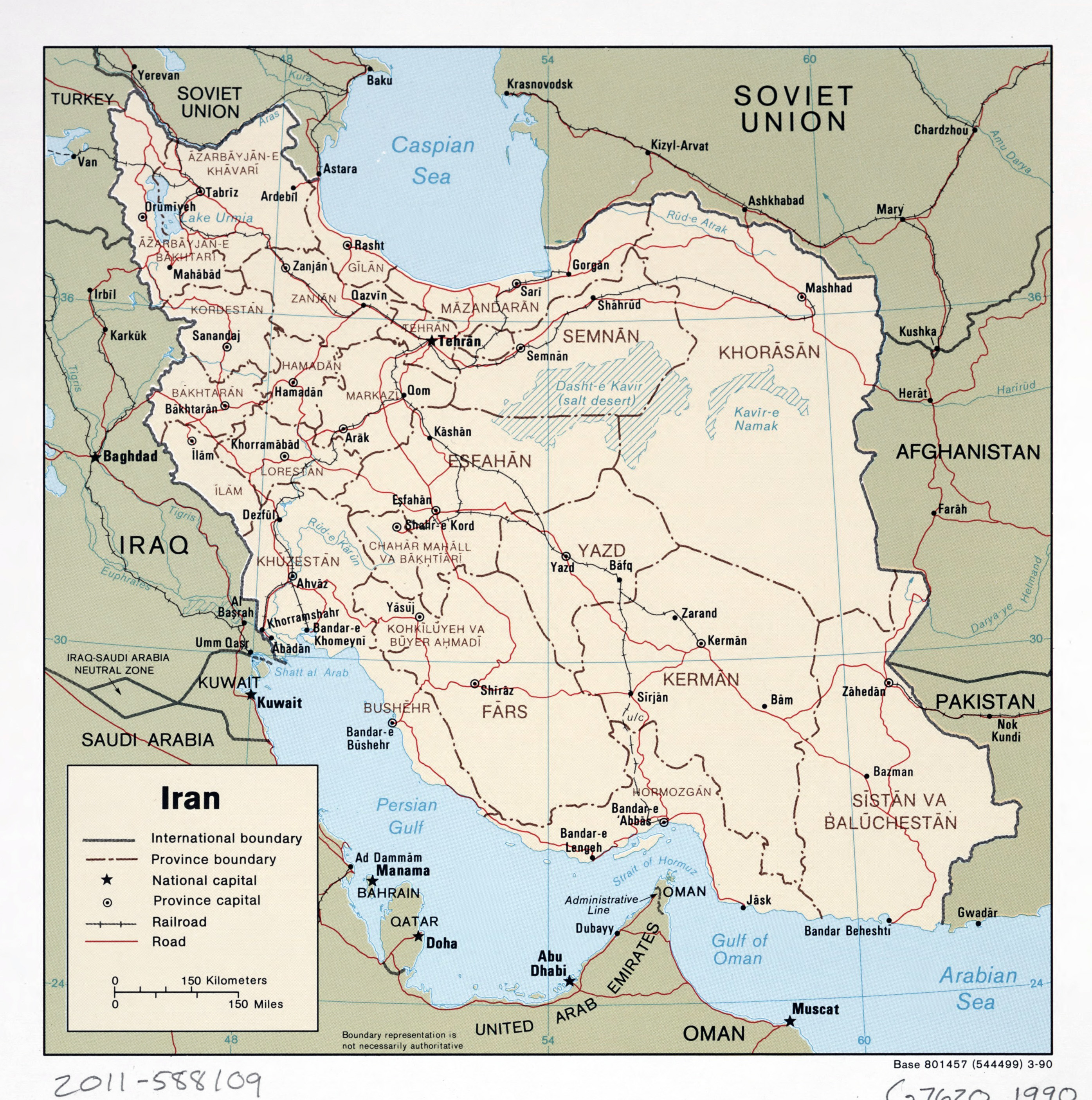
A few days later, the net widened. A sixth suspect—a 25-year-old dual British-Iranian national—was arrested in central London on suspicion of preparing terrorist acts. British authorities and intelligence officials started leaking strong suspicions that Tehran had a hand in directing the plot. Iran, predictably, denied any involvement.
The base itself has a long history. Located roughly 100 miles west of London, RAF Fairford functions as a NATO-designated standby deployment and a vital forward operating base for U.S. Global Strike Command. During recent military operations involving strikes on Iranian missile sites, American B-1 bombers used the tarmac extensively. That operational footprint made it a high-value target in the eyes of foreign intelligence assets.
Why the US Pulled Its Bombers So Quickly
Following the arrests, the Pentagon didn't wait around for a protracted risk assessment. Over the weekend, the U.S. Air Force ordered all B-1 bombers deployed at Fairford to redeploy immediately back to their home stations in the United States.
President Donald Trump fueled the media fire by telling reporters that authorities had the suspects under surveillance for a long time, claiming the plot was meant to inflict "big damage to our fort."
Yet, the speed of the withdrawal caught many defense analysts off guard. Moving heavy bombers away from a strategic European forward operating base sends a sharp diplomatic and tactical signal. It shows that Washington takes homegrown or state-sponsored infiltration threats with absolute seriousness. Even if the suspects lacked a ready-to-detonate bomb at the exact moment of interception, the presence of gasoline in vans near a critical military perimeter exposed troubling vulnerabilities in perimeter intelligence or local asset monitoring.
Is RAF Fairford Actually Safe Now?
The UK government insists that the base is entirely secure and that counter-terrorism measures remain robust. Ministers argue that the quick arrests prove the security apparatus works. Police caught the suspects before they could execute whatever they planned.
However, local residents and defense experts are asking harder questions. How close did these individuals get to sensitive aircraft areas? Why were local vans able to linger near restricted access gates without immediate interdiction?
The reality on the ground is nuanced. Military bases are hardening their physical security every single day, but no perimeter is completely immune to determined probing by state-backed actors using local proxies. The arrest of UK nationals proves that foreign handlers prefer recruiting domestic citizens who can blend into the local countryside rather than sending obvious foreign operatives across international borders.
If you are wondering whether you need to change your daily routine or worry about living near Gloucestershire's most famous runway, the immediate threat tied to that specific cell has been neutralized through multiple arrests. The bigger question isn't about physical safety tomorrow morning. It is about whether foreign intelligence agencies can continue turning local citizens into saboteurs on British soil.
Keep an eye on how the ongoing court cases unfold and whether the Ministry of Defense upgrades perimeter monitoring technology around rural military installations in the coming months.