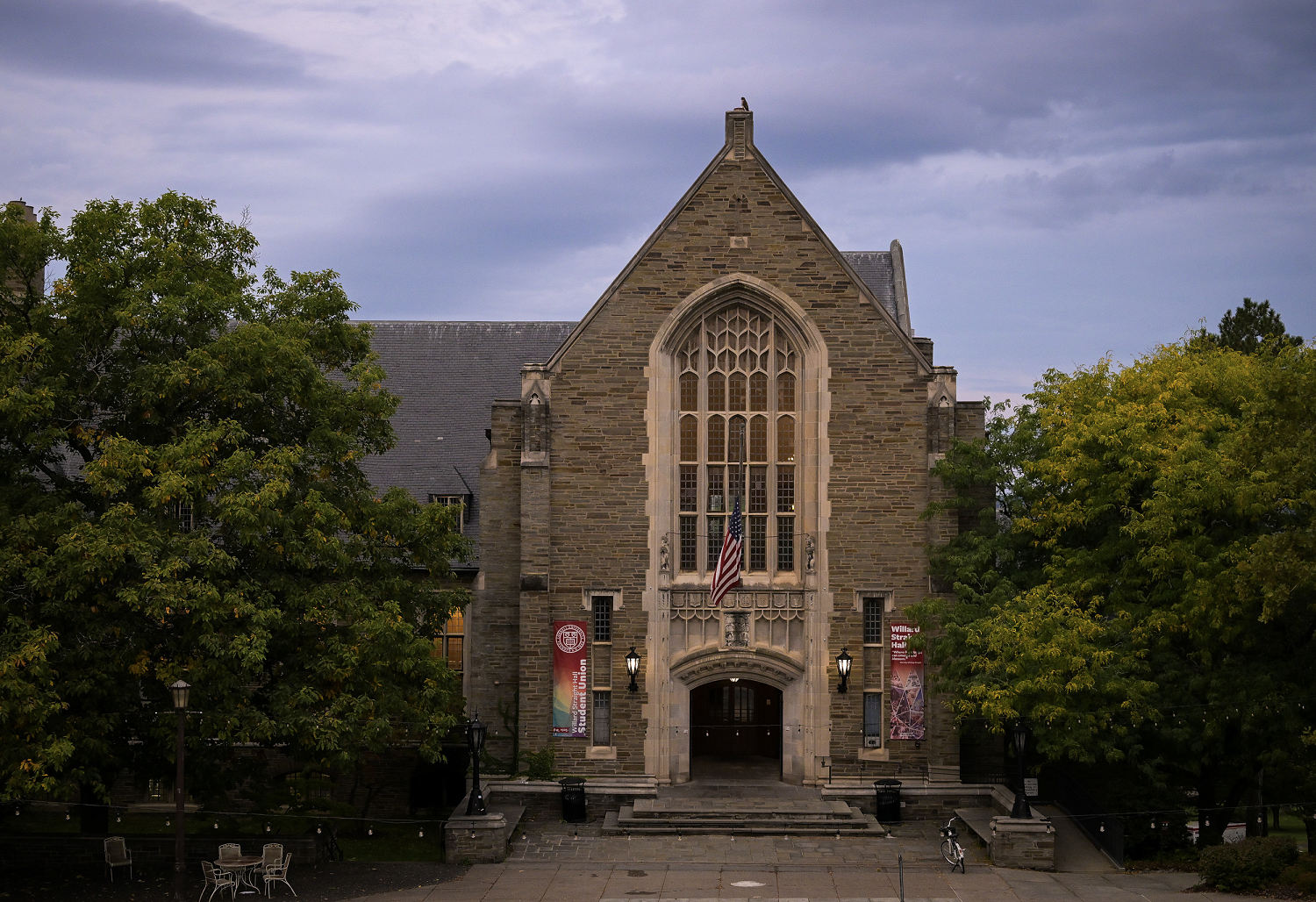
When a survivor steps forward to challenge a powerful institution, the backlash rarely stays inside a courtroom. For the former Cornell University student known publicly as Jane Doe, seeking accountability has triggered an aggressive campaign of intimidation. Her attorney, Thomas Giuffra, revealed that she has received multiple threats demanding she drop her civil lawsuit, which accuses several former Chi Phi fraternity members of drugging and sexually assaulting her in 2024.
If you are following the fallout of the Cornell 7 case, you already know it exposes deep structural failures in how universities and local legal systems handle sexual violence. But the emergence of direct threats against a survivor and her legal team takes the story into an even darker territory. It exposes a desperate attempt to protect the status quo by any means necessary.
Why This Case Broke Open After Two Years
For nearly two years, the allegations sat in a gray zone. Jane Doe filed reports through campus channels, leading to a Title IX internal process that resulted in some suspensions and expulsions, alongside the shuttering of the local fraternity chapter. Yet, local criminal prosecutors initially declined to bring charges.
Everything changed in September 2026 when Jane Doe filed a comprehensive 101-page civil complaint. The lawsuit detailed horrifying specifics, including an alleged Snapchat group chat where members discussed her sexually while the events were unfolding. Once those details went public, public outrage catalyzed a swift shift. Tompkins County District Attorney Matthew Van Houten announced that the criminal investigation was officially reopened and would be presented to a grand jury.
That sudden momentum is precisely why the threats started rolling in. When powerful institutions and individuals face real accountability, the pressure campaign begins.
The Cost of Coming Forward
Jane Doe is not doing well. Her legal representation has described her as hanging on by a string, completely exhausted by the relentless emotional toll of reliving a traumatic night while enduring public scrutiny.
Worse yet, the digital mob has created collateral damage. Social media users attempting to unmask Jane Doe have targeted at least three innocent women mistakenly identified as the accuser. This careless vigilantism underscores how toxic online behavior compounds the trauma for survivors.
Giuffra himself has been targeted with abuse and threats. Rather than backing down, his response was blunt: he called out the perpetrators for trying to silence transparency and protect a broken system. When lawyers are threatened for representing clients in high-profile sexual assault lawsuits, the baseline safety of the legal process is compromised.
The Institutional Cover-Up Allegations
The Cornell case has raised uncomfortable questions that stretch far beyond a single fraternity house. Critics and legal advocates are asking why local authorities failed to act effectively when the incident first occurred. Giuffra has gone further, accusing the university of prioritizing institutional reputation and local revenue over the safety of its students.
When a campus administration handles an alleged gang rape internally through mild disciplinary measures—such as ordering students to write essays or attend workshops—it sends a dangerous message. It signals that institutional survival matters more than justice. The subsequent intervention by New York Governor Kathy Hochul and the appointment of Attorney General Letitia James as a special prosecutor point to a broader recognition that local handling was fundamentally flawed.
Where Accountability Goes From Here
The legal battle ahead is long, messy, and fiercely contested. The accused men have denied wrongdoing, with some legal teams calling the claims false and arguing that sexual activity was consensual. A grand jury will now have to sort through competing testimonies, digital evidence, and disputed timelines.
The spotlight remains fixed on Cornell University and the wider Greek life ecosystem. President Michael Kotlikoff announced that the administration will examine campus fraternities and sororities, stating that the university will not wait for formal reviews to take action. But reviews and policy statements mean little if the culture that allowed these events to unfold remains intact.
If you or someone you know has been affected by sexual assault or harassment, confidential support is available 24/7. In the United States, you can reach RAINN at 800-656-4673. Support systems exist because the official channels so often fail when survivors need them most.