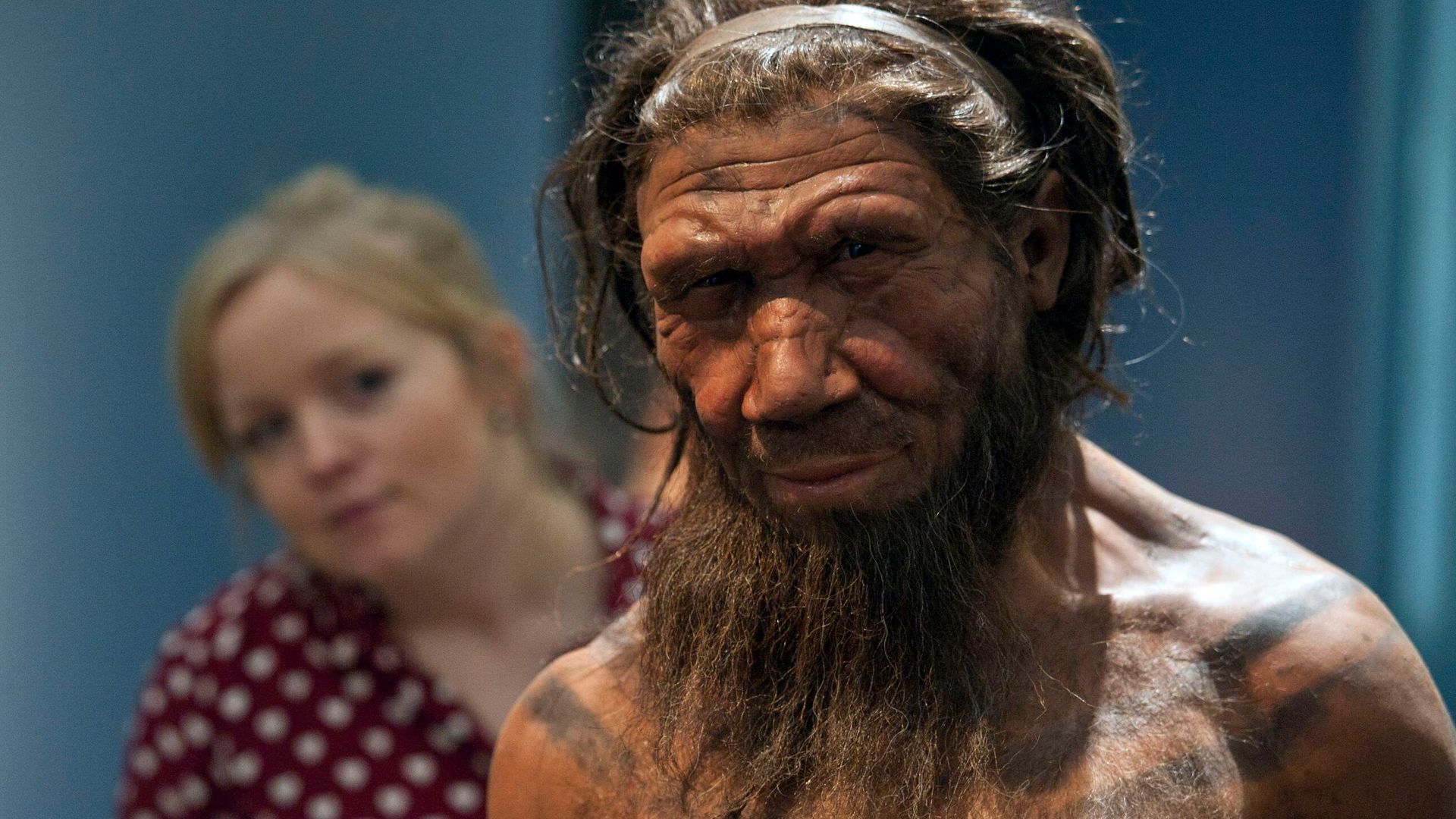
For generations, popular culture reduced Neanderthals to grunting brutes dragging clubs across frozen landscapes. Science has spent the last few decades systematically dismantling that lazy caricature. Recent findings from the famed Shanidar Cave in Iraq deliver yet another blow to the old stereotypes, proving that our ancient cousins lived complex lives marked by both brutal violence and deep, enduring compassion.
Recent analysis led by researchers like Dr. Emma Pomeroy from the University of Cambridge highlights how a single set of fossilized bones can upend our understanding of prehistoric behavior. When you examine the skeletal remains unearthed from the Zagros Mountains, you don't just see a record of survival against harsh Ice Age conditions. You see a mirror reflecting humanity's most contradictory traits.
The Dual Nature Etched in Bone
Shanidar Cave has fascinated archaeologists since the 1950s. Located in Kurdistan, Iraq, the cave served as a seasonal sanctuary for Neanderthals tens of thousands of years ago. Past excavations revealed multiple individuals, including famous specimens showing severe physical trauma who lived to an advanced age—proof that their communities supported members who couldn't hunt or fend for themselves.
The newest research builds on this by showing how tightly intertwined violence and social care really were. The bones recovered from the site tell stories of physical combat, sharp trauma from wooden spears, and bone fractures that mimic modern rodeo injuries from wrestling large, dangerous prey up close. At the same time, the skeletal evidence and surrounding soil layers display careful burials and communal protection.
You see the same dual nature in modern human society today. We wage wars and commit acts of senseless violence, yet we build hospitals, care for the disabled, and mourn our dead. Neanderthals weren't some alien species operating under completely different rules. They dealt with interpersonal conflict and physical trauma, but they also possessed the empathy required to keep injured group members alive for years after debilitating accidents.
Beyond the Dumb Brute Myth
Why did the myth of the primitive caveman persist for so long? Early 20th-century reconstructions leaned heavily on Eurocentric biases and incomplete fossil records. Scientists discovered heavy brow ridges and stocky builds, then immediately jumped to conclusions about intelligence and emotional capacity.
Shanidar Cave shattered those assumptions decades ago when researchers found evidence of burials, flower pollen clusters, and elderly individuals like Shanidar 1, who survived severe head trauma, partial blindness, and a withered arm. The latest discoveries reinforce those findings with even greater anatomical precision. The bones are notoriously fragile—often described by excavators as having the consistency of a wet biscuit—requiring painstaking extraction techniques using bamboo tools and chemical consolidants in punishing cave heat.
This level of meticulous fieldwork matters because every recovered bone fragment adds weight to a shifting paradigm in paleoanthropology. We now know Neanderthals controlled fire, created cave art, crafted sophisticated stone tools, interbred with modern humans, and practiced social care.
What This Means for Human Evolution
When you look at the bigger picture of human history, the sharp line we used to draw between Homo sapiens and Neanderthals keeps fading. We share a significant portion of our DNA with them because our ancestors interbred across Eurasia before Neanderthals vanished roughly 40,000 years ago.
The violence etched into their bones reminds us that prehistoric life was unforgiving, short, and dangerous. Large game hunting wasn't a recreational sport; it was a high-risk gamble where a single misstep meant a shattered rib, a punctured shoulder blade, or a crushed skull. Yet, the survival of those injured individuals proves that the social fabric holding these groups together was remarkably strong.
Stop thinking of evolution as a straight ladder where smarter species replace dumber ones. Think of it as a messy, branching web where different human species shared remarkably similar emotional toolkits, grappling with the same eternal mix of aggression and affection.
Take a closer look at how modern archaeological techniques continue to rewrite history. Support local museums, follow ongoing digs in the Zagros Mountains, and keep an open mind the next time a new fossil discovery challenges textbook narratives about who we are and where we came from.