What Happened at the Shenzhen Trilateral Meeting
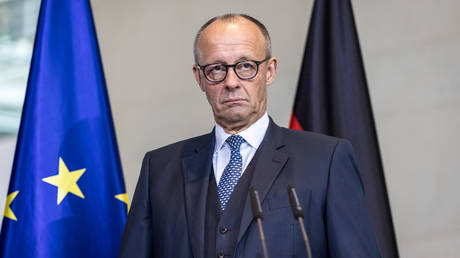
Donald Trump, Xi Jinping, and Vladimir Putin finally sat down together on November 19, 2026, on the sidelines of the APEC summit in Shenzhen, China. It was the first time the leaders of the United States, China, and Russia held a formal trilateral meeting.
Big cameras. Big words. Thin results on the wars that actually matter right now.
While the three leaders released a joint peace declaration calling for dialogue on nuclear risks, United Nations reform, higher petroleum supplies, and shielding state officials from International Criminal Court overreach, they left major flashpoints unresolved. There was no breakthrough on Russia's war in Ukraine. There was no hard deal to end the conflict involving Iran or fully reopen the Strait of Hormuz.
Honestly, if you expected a neat diplomatic fix to two grinding conflicts, this summit wasn't it. What happened in Shenzhen looks much more like a shared push to protect great-power elbow room and manage energy pressure than a true peace accord.
Why Energy and the ICC Made the Cut While Wars Stalled
When three massive powers meet for just over an hour after months of friction, they pick the issues where their interests overlap easiest. Energy and international court pushback gave all three leaders something tangible to sign off on without forcing painful concessions.
Energy Flows and Refined Petroleum Pressure
Energy markets have been strained by ongoing conflict and chokepoint fears around the Strait of Hormuz. In their joint statement, Trump, Xi, and Putin backed increasing oil and refined petroleum supplies and keeping energy flows moving.
Here's what that means in practice. For Washington, keeping fuel supplies flowing helps cushion domestic energy costs and political blowback after a rough stretch at home. For Beijing, stable oil and refined fuel access keeps industrial supply chains running despite geopolitical turbulence. For Moscow, any softening of pressure around oil and refined products is a lifeline while Western sanctions still bite.
Analysts at the Atlantic Council noted that pushing for higher petroleum production tends to favor Russia's export interests, especially given existing friction over sanctions and recent fuel trade moves. Still, turning a broad declaration into actual shipping lanes, insurance coverage, and sanction waivers is a much harder slog than signing a statement.
Pushing Back Against the International Criminal Court
The declaration also targeted the International Criminal Court, warning against what the leaders called jurisdiction abuse and stressing state consent and official immunity.
That language carries obvious weight for Putin. The ICC issued an arrest warrant for him in March 2023 over allegations tied to the unlawful deportation and transfer of Ukrainian children from occupied areas to Russia. Neither the United States nor China is a party to the Rome Statute, so neither is bound by the court's treaty obligations, yet putting a shared warning against ICC overreach into a trilateral text gives Moscow symbolic backing from two of the world's heaviest hitters.
Critics and legal experts warn that framing official immunity and state consent this way chips away at international accountability mechanisms. At the same time, it shows how three leaders who often clash on trade, technology, and regional spheres of influence can still agree when international legal bodies threaten their own freedom of action.
Why Ukraine and Iran Saw No Real Breakthrough
People searching for news on this summit want to know one thing first: did the meeting bring the war in Ukraine or the conflict with Iran closer to ending? The honest answer is no.
Neither war was settled in Shenzhen, and the joint declaration left both conflicts out of its headline text. According to coverage from The Guardian and PBS NewsHour, Trump raised Iran and Ukraine—including urging that Iran not get a nuclear weapon and reopen the Strait of Hormuz—while Putin pointed to shared interests in conflict resolution. Yet no ceasefire, timeline, or binding peace framework emerged.
Why did talks stall on the two biggest crises? Because each side wants leverage without giving up core demands.
Russia's invasion of Ukraine, now dragging into its fifth year, remains locked in deep strategic disagreement over territory, security guarantees, and sanctions relief. Even when talks happen elsewhere—such as diplomatic channels involving U.S. envoys, European partners, and Kyiv—a photo-op between Trump, Xi, and Putin doesn't erase years of entrenched positions.
Iran is just as complicated. The conflict that escalated earlier in 2026 has already rattled global shipping and energy markets. Trump has pressed for reopening the Strait of Hormuz and blocking Tehran's nuclear ambitions, and both China and Russia hold major economic and diplomatic ties with Iran. Still, getting Beijing and Moscow to curb Tehran on Washington's terms takes more than a single summit afternoon.
Nuclear Talks and UN Reform Sound Big on Paper
Alongside energy and the ICC, the leaders talked about reducing nuclear risks and reforming the United Nations. Both topics sound weighty. Both come with huge asterisks.
With the U.S.-Russia New START treaty having expired in February 2026, bilateral limits on deployed strategic warheads are gone. Trump argued that the three largest nuclear powers should discuss reducing arsenals and preventing proliferation, while noting how hard it is for countries with thousands of warheads to give them up. Xi called for preventing nuclear war and moving toward broader prohibition and destruction, while Putin spoke of strategic stability.
No new arms control treaty came out of the room. Bringing China into formal nuclear limits alongside the U.S. and Russia has been talked about for years, and gap-closing on verification, stockpile sizes, and missile defenses takes years of grueling technical negotiation—not a one-hour leaders' session.
UN reform faces a similar hurdle. Calling for a United Nations that responds better to global crises sounds hard to oppose until you ask how. The U.S. and China already hold permanent Security Council seats with veto power, and major powers routinely clash over whether reform means expanding representation for regions like Asia, Africa, and Latin America or reshaping how Western influence operates inside global institutions.
Common Misconceptions About This Summit
When a first-ever meeting happens between Trump, Xi, and Putin, commentary tends to swing wildly from "new world order" to "total waste of time." Both extremes miss the mark.
- Misconception 1: A joint peace declaration means a peace deal is close. A declaration of principles is diplomatic signaling, not a binding treaty. Wars end when combatants and backers change incentives on the ground, not when leaders issue broad statements on stability.
- Misconception 2: Agreeing on one issue means the three countries are a united bloc. Washington, Beijing, and Moscow still have sharp rivalries over trade, advanced chips, regional security, and alliances. Overlapping interests on fuel flows or court immunity don't erase those conflicts.
- Misconception 3: Putin gained nothing because there was no Ukraine deal. Simply standing across the table from the U.S. president and Chinese leader at a major APEC host city projects diplomatic relevance and pushes back against isolation, even without a territorial win.
What to Watch Next and Practical Steps You Can Take
Diplomatic summits move fast in headlines and slow in reality. If you're tracking this story for business, policy, or personal financial planning, watch concrete actions rather than speeches.
- Track energy prices and Strait of Hormuz shipping alerts. Watch crude and refined fuel prices alongside maritime security updates, since fuel supply pledges mean little if shipping lanes remain risky or restricted.
- Watch for actual sanctions or trade shifts. Look for official policy moves from Washington, Beijing, and Moscow on oil trade, refined products, and export controls rather than relying on summit readouts.
- Follow separate negotiations on Ukraine and Iran. Real movement on Ukraine will show up in talks involving Kyiv, European partners, Washington, and Moscow, while Iran developments will show up in Gulf shipping, diplomatic channels, and regional security moves.
- Manage exposure to energy and market swings. If your business or household budget is sensitive to fuel costs or geopolitical volatility, review energy expenses, shipping assumptions, and portfolio diversification rather than betting on sudden diplomatic calm.