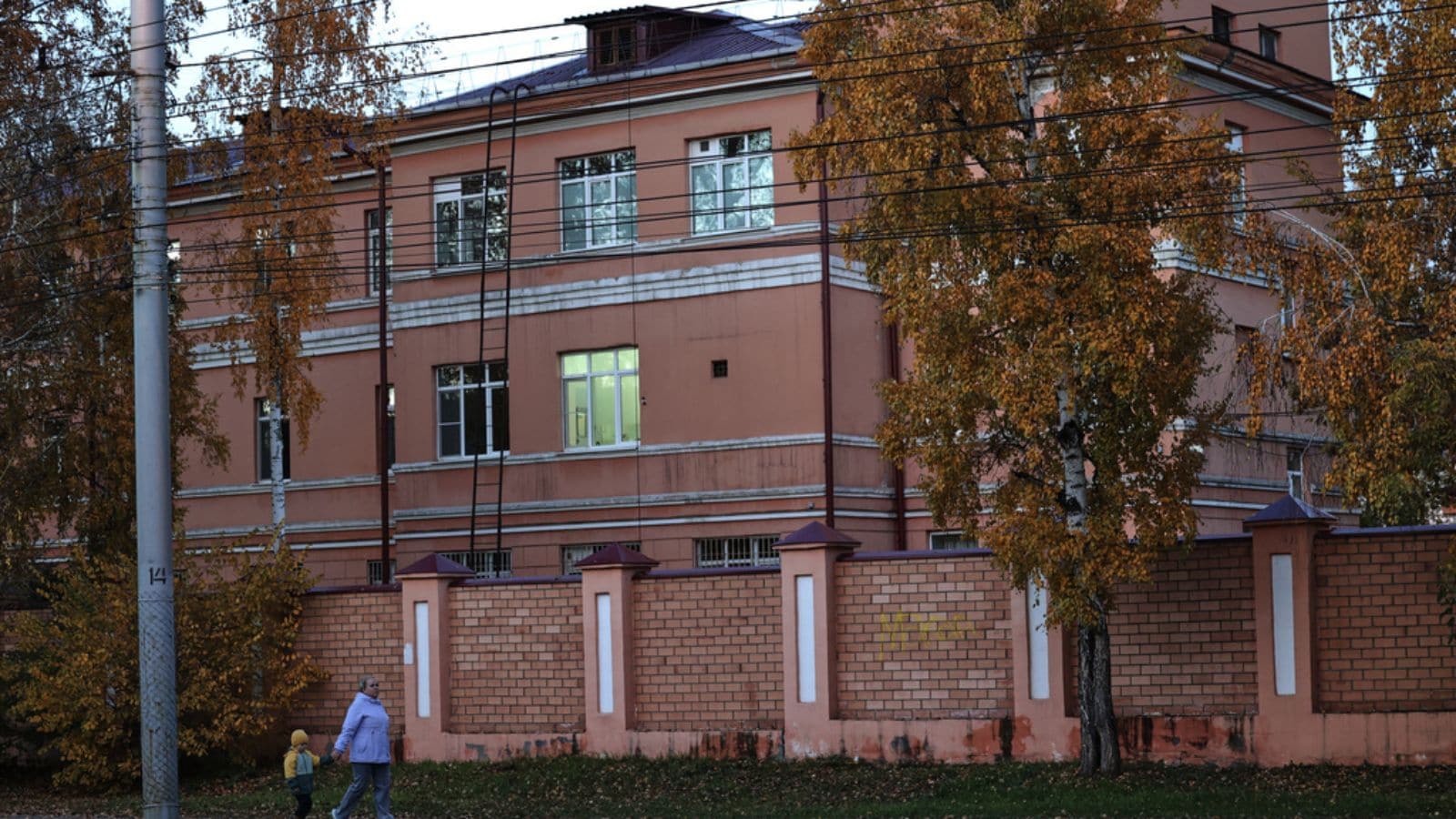
Rumors of a deadly outbreak spread fast, but the reality behind closed doors in Siberia requires a closer look. When a young researcher died following a severe respiratory illness at an anti-plague facility near Irkutsk, global health monitors immediately sat up straight. Pneumonic plague carries terrifying historical baggage, so any hint of a modern lab-linked exposure triggers instant international anxiety. Yet, untangling official denials from leaked local reports reveals a complex standoff over transparency, biosecurity protocols, and public safety.
The incident centers on a 28-year-old laboratory worker in Shelekhov, a town tucked into Russia's Irkutsk region. Initial reports claimed she broke a test tube containing live Yersinia pestis bacteria during routine work, contracting the most virulent form of the plague. Symptoms escalate within twenty-four to forty-eight hours, turning a simple cough into a severe lung infection. Because pneumonic plague spreads through respiratory droplets, it ranks among the few bacterial diseases capable of sparking rapid airborne transmission if left unchecked. Local hospitals locked down fast, placing nearly two hundred contacts under medical observation as panic simmered beneath the surface.
Moscow's public health watchdog, Rospotrebnadzor, pushed back against the alarming headlines with strict reassurance. Officials insisted that laboratory tests on all identified contacts came back negative for dangerous pathogens, chalking the initial death up to standard acute viral illness rather than a plague outbreak. The World Health Organization stepped in under international health regulations to seek direct clarification from Russian authorities. While global agencies rate the overall regional risk as moderate to low, the opacity surrounding the initial days of the response left epidemiologists with more questions than answers.
Transparency remains the absolute best defense against biological hazards. When information gets locked down behind official denials, public trust takes a massive hit, and speculation fills the vacuum. Facilities handling high-consequence pathogens must operate under rigorous international oversight to prevent accidental exposures from turning into geopolitical friction points.
If you are tracking international biosecurity trends, watch for official WHO updates rather than unverified social media claims, and remember that rapid contact tracing is always the first line of defense in modern epidemiology.