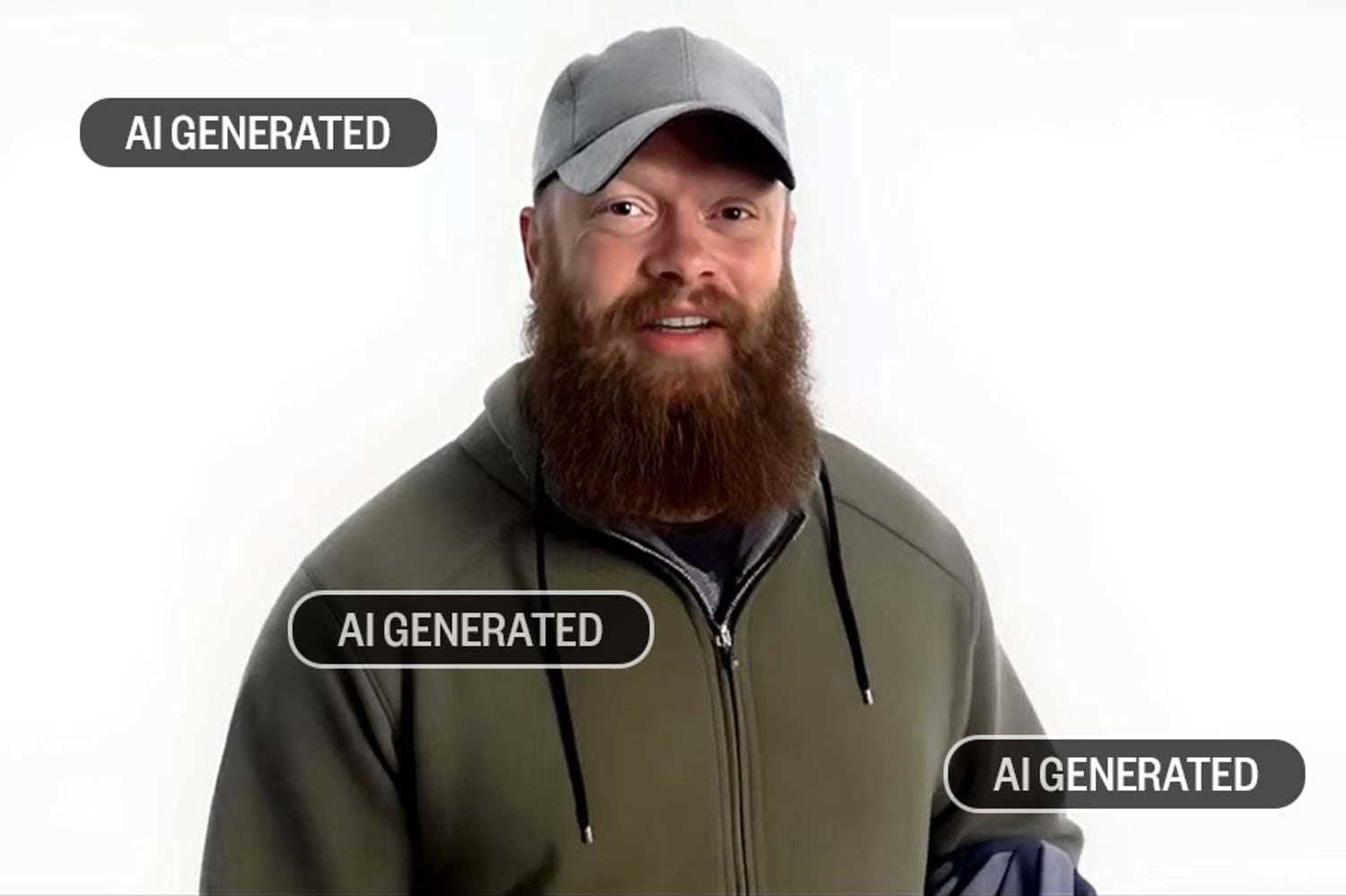
Technology moves fast, but the American legal system was never built to handle digital ghosts. Imagine sitting in a courtroom where a man killed in a 2021 road-rage shooting suddenly reappears on a screen, using a synthesized voice and an artificial likeness to address his killer directly. It sounds like science fiction. Yet it happened in Arizona, and it just resulted in a major appellate court decision that proves artificial intelligence has no business dictating criminal sentences.
The Arizona Court of Appeals didn't mince words. A three-judge panel unanimously vacated a 10.5-year manslaughter sentence handed down to Gabriel Paul Horcasitas. Why? Because the trial judge, Todd Lang, leaned heavily into an AI-generated video of the victim, Christopher Pelkey, offering a message of forgiveness from beyond the grave. Judge Lang explicitly stated on the record that he "loved" the AI presentation, claiming it felt genuine. That enthusiasm has now cost the state its sentencing structure, forcing a do-over and setting a massive legal precedent on where tech meets courtroom boundaries. Discover more on a connected topic: this related article.
When Digital Creation Replaces Human Reality
Let's look at how we got here. During the sentencing hearing, Pelkey's sister, Stacey Wales, wanted to capture what she believed her brother would have felt. Struggling with grief, she turned to artificial intelligence platforms. She fed in photos and audio samples of Pelkey, then scripted words of forgiveness addressed to Horcasitas, the man who shot him.
The resulting avatar appeared on a courtroom monitor, identifying itself as an AI recreation before delivering a speech about second chances and looking past the violence. Further reporting by The Guardian explores comparable views on the subject.
While the sentiment sounds noble on paper, the courtroom is not a theater. It is a court of law governed by rules of evidence, due process, and strict accountability. When the digital avatar told the defendant that they could have been friends in another life, it wasn't Christopher Pelkey speaking. It was a digital puppet controlled by a grieving relative's script and generated by algorithms.
Judge Lang let emotion cloud judicial standards. He imposed a 10.5-year sentence—higher than what prosecutors originally requested—while explicitly citing the emotional impact of the video.
Why the Appeals Court Had to Intervene
Defense lawyers caught the fallout after the fact, but the appeals court ruled that allowing the video constituted a "fundamental error" that rendered the entire sentencing procedure unfair.
The appellate panel pointed out an obvious truth that should guide every courtroom in the country. An AI depiction of a victim is not evidence. It is a creative writing exercise wrapped in a digital skin suit. You cannot cross-examine an algorithm. You cannot test the psychological accuracy of a dead person's simulated thoughts.
The court noted that the video presented a depiction of the victim crafted entirely from the imagination of a surviving family member. No amount of disclaimers at the beginning of the video can cure the core issue: it introduces unchecked fiction into a process that demands absolute factual integrity.
The Bigger Danger for Future Courtrooms
This case serves as a warning shot for judges across the nation. As AI tools become cheap, accessible, and terrifyingly convincing, families will inevitably try to use them to sway juries and judges. The temptation is obvious. Grief is loud, and courts are inherently clinical. People want human emotion injected into cold legal proceedings.
If we allow artificial intelligence to recreate victims, witnesses, or even defendants, we open the door to systemic manipulation. Imagine a world where prosecutors or defense teams use polished generative video to manufacture emotional resonance that never existed. It turns criminal sentencing into a Hollywood production.
The manslaughter conviction against Horcasitas still stands, but he gets a new sentencing hearing without the digital ghost in the room. Justice is supposed to be blind, not easily swayed by a chatbot wearing a dead man's face.
Stop pretending technology can replace human testimony. The courtroom needs strict guardrails, and it needs them now.
Legal Analyst: AI video of dead victim gets shooter's sentence tossed
This video provides an expert legal breakdown of why the Arizona appeals court overturned the manslaughter sentence due to the unauthorized use of an AI-generated victim impact statement.
http://googleusercontent.com/youtube_content/1