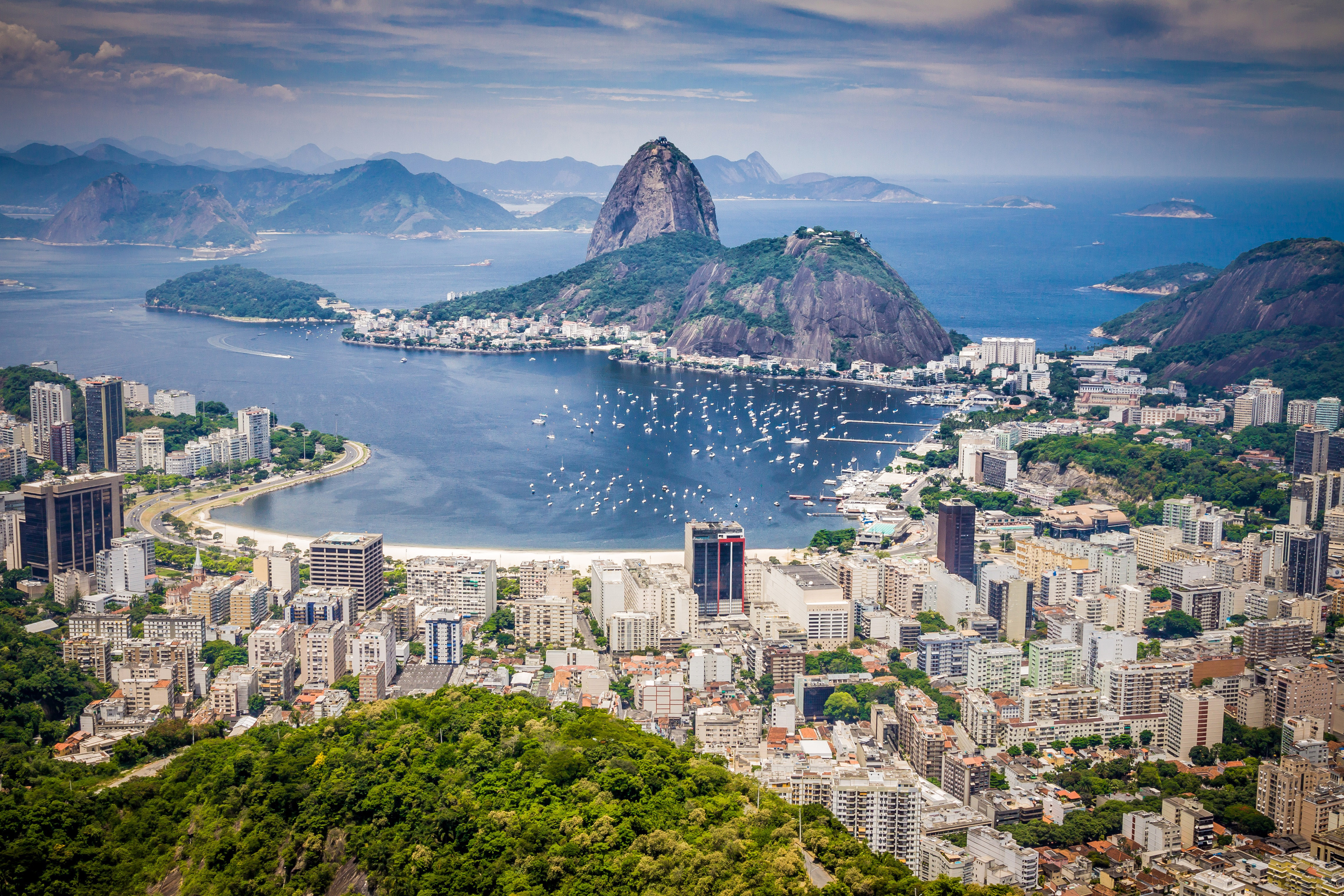
Latin America's political map is shifting violently. When Flávio Bolsonaro pulled ahead in the first round of Brazil's presidential election, he didn't just challenge incumbent leader Luiz Inácio Lula da Silva; he sent shockwaves straight through Brasília. Markets reacted instantly, pushing the São Paulo stock exchange to record highs. Investors cheered a candidate promising fiscal austerity, a smaller state, and lower taxes. But behind the economic optimism lies a much heavier political gamble. The surging conservative wave has instantly supercharged a high-stakes campaign to free the clan's patriarch, former president Jair Bolsonaro, who is currently serving a 27-year sentence for plotting a coup.
If you look past the standard campaign rhetoric, the recent legislative sweep tells the real story. The Liberal Party and its conservative allies didn't just win a few scattered races. They secured majorities and crucial governorships across the country, placing fierce loyalists like Tarcísio de Freitas in São Paulo and Sérgio Moro in Paraná into extreme positions of regional power. Michelle Bolsonaro won a Senate seat. Carlos Bolsonaro secured his place in Congress, alongside other family members. The clan basically captured the legislative branch. That congressional dominance changes the entire legal and political math for the Bolsonaro family. If you liked this post, you should read: this related article.
For months, mainstream pundits underestimated how tired working-class Brazilians were of persistent inflation and shrinking purchasing power. Lula walked into the campaign expecting an easy victory or at least a dominant first-round lead. Instead, Flávio Bolsonaro grabbed 47 percent of the vote, edging past Lula and defying every major pre-election poll. Voters responded to a pitch centered on law and order, traditional values, and a break from decades of leftist rule.
This momentum creates immediate leverage. With a friendlier legislature now controlling Congress, any talk of amnesty or legal relief for the jailed former president stops being a distant fantasy. Political analysts note that a conservative-aligned parliament can systematically pressure the judiciary, push through legislative pardons, or alter penal codes governing political crimes. The father's freedom is no longer just a fringe talking point on the campaign trail. It is the core organizing principle of the entire right-wing coalition heading into the October run-off. For another look on this story, refer to the recent update from Associated Press.
International allies are watching closely. The revival of right-wing leadership in South America's largest democracy aligns neatly with shifts across the hemisphere, drawing vocal support from leaders like Argentina's Javier Milei and former US President Donald Trump. For Flávio, foreign backing provides an extra layer of diplomatic armor as he prepares for the final showdown against Lula.
The next few weeks will determine whether this conservative tsunami can finish the job. Lula's camp is scrambling, weighing cabinet shifts and courting centrist voters to survive the run-off. But the energy on the ground belongs entirely to the right. Win or lose the executive office, the Bolsonaro movement has already fundamentally re-engineered Brazil's political reality. The family's grip on the legislature ensures they dictate the terms of the national debate for years to come.