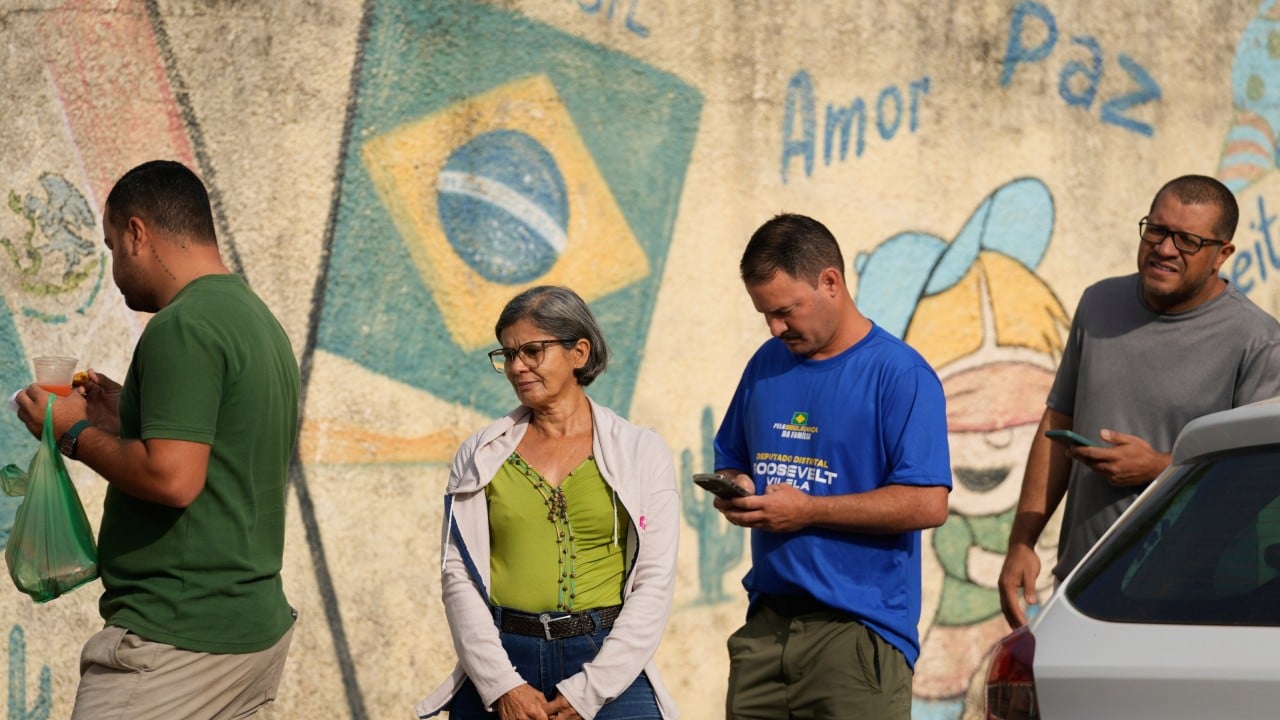
Millions of voters are currently heading to polling stations across Brazil in an election cycle that feels less like a traditional democratic contest and more like a high-stakes ideological referendum. If you're wondering why Latin America’s largest democracy is locked in such a bitter political showdown, look no further than the clash between incumbent leftist icon Luiz Inácio Lula da Silva and conservative challenger Senator Flávio Bolsonaro. This showdown isn't just about local tax policies or infrastructure spending. It's a massive proxy battle for the future of global alliances, economic stability, and populist governance.
Let's be real. The campaign trail leading up to this moment has been remarkably short on deep economic policy debates. Instead, the airwaves have been dominated by intense ideological friction, corruption scandals, and fierce cultural debates. Nearly 159 million Brazilians are eligible to participate, making this one of the most consequential democratic exercises on the planet right now.
The Heavyweights in the Ring
On one side, you have Lula da Silva, the veteran leftist leader of the Workers' Party, who is seeking another term at 80 years old. Lula has spent his campaign strengthening ties with Beijing and championing the broader interests of the Global South. On the other side stands 45-year-old Senator Flávio Bolsonaro, stepping up to represent the conservative, far-right movement previously spearheaded by his father, former President Jair Bolsonaro. Flávio has aligned himself closely with right-wing movements abroad, creating a clear geopolitical binary that resonates far beyond South America's borders.
What makes this vote so unpredictable is the sheer depth of public frustration. Rising public debt and sluggish economic growth forecasts have left many everyday citizens feeling squeezed. Yet, voters aren't hearing concrete solutions from either camp. Instead, the final weeks of the race devolved into personal attacks, skipping major television debates, and bitter disputes over national identity.
What’s at Stake for the Economy
You can't talk about Brazil right now without addressing the elephant in the room: public finances. Government debt sitting well above 82 percent of gross domestic product has investors and fiscal hawks on edge. Economic growth projections have crawled down to modest levels, leaving working-class families wondering when prosperity will finally trickle down.
When you look at how the voting system works, securing an outright victory on the first ballot requires clearing a strict 50 percent threshold. Given how tightly polarized the electorate is, pollsters have pointed toward the strong possibility of a runoff vote later this month. That means the political tension isn't ending tonight. It's likely just entering a grueling second round.
Looking Beyond the Headlines
If you're trying to figure out how to track these developments without getting lost in the spin, you need to check official electoral updates directly. You can monitor live tracking, regional data, and announcements through the Tribunal Superior Eleitoral portal, which manages the voting logistics across the country's complex federal districts. For international context on how these domestic shifts impact foreign markets and diplomatic relations, reliable reporting from outlets like Reuters provides continuous updates from ground zero in São Paulo and Brasília.
The outcome of this election will ripple across international trade, environmental policy, and geopolitical alignments for years. Don't expect easy answers or quick fixes once the initial numbers roll in. Brazil's political fracture runs deep, and the road ahead is going to test the resilience of its democratic institutions to the absolute limit.