Brazil just held a high-stakes presidential showdown. Incumbent President Luiz Inácio Lula da Silva is fighting for a fourth non-consecutive term, facing off against Senator Flávio Bolsonaro, the eldest son of former right-wing leader Jair Bolsonaro. If you think this is just another routine South American election, you're missing the entire plot.
Preliminary results from the Superior Electoral Court show Flávio Bolsonaro leading with roughly 49.58% of the vote against Lula's 42.25%, with more than 64% of ballots counted. Because Brazilian electoral law demands a candidate cross the 50% threshold to win outright in the first round, a tense runoff is scheduled for October 25. Over 158 million voters are deciding the immediate trajectory of Latin America’s largest economy.
Let's break down what's actually happening on the ground and why this vote matters way beyond Brazil's borders.
The Dynasty Test for the Brazilian Right
With former President Jair Bolsonaro legally barred from running for office due to prior rulings, the right-wing movement needed a standard-bearer who could capture the family's populist base without getting immediately disqualified. Enter Flávio Bolsonaro.
At 45 years old, the senator stepped into the presidential race to keep his father's anti-establishment momentum alive. Critics often tag the Bolsonaros as the "Trump of the Tropics," echoing nationalist rhetoric, criticizing mainstream institutions, and forging tight ideological bonds with right-wing movements in the United States.
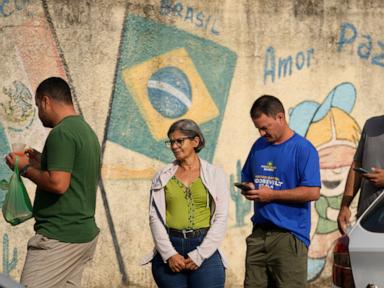
For the Bolsonaro camp, this election isn't just about winning a seat in Brasília. It's about securing a political pardon or a path to reversal for the legal penalties hanging over the family name. Voters lining up outside polling stations—from dense urban centers like São Paulo to favelas in Rio de Janeiro—know the stakes are high.
Lula and the Weight of Incumbency
Lula da Silva remains one of the most resilient political operators of the modern era. Now 80 years old, the veteran leftist leader returned to power in 2023 promising economic stability, social programs, and environmental restoration.
Yet, running for a fourth term brings heavy baggage. Inflation, fiscal pressure, and fierce congressional resistance have chipped away at the administration's early honeymoon phase. When you talk to everyday workers in industrial hubs, you hear frustration over the cost of living mixed with loyalty to Lula's historical welfare programs.
Lula's strategy relies heavily on painting the Bolsonaro lineage as a threat to democratic norms. His campaign frames the vote as a direct continuation of the battle to protect democratic institutions following the chaotic political clashes of recent years.
What the Runoff Means for Global Politics
The October 25 runoff gives both camps less than three weeks to lock down undecided voters. Minor parties and centrist candidates who fell short in the first round are now kingmakers. Their endorsements will dictate whether Flávio Bolsonaro can push past the 50% mark or if Lula can stage his classic late-game comeback.
International observers are watching closely. Brazil shares major trade partnerships with both Western democracies and emerging economic blocs. A shift back to a hardline conservative government under a Bolsonaro would instantly realign Brasilia's foreign policy, strengthening ties with nationalist movements worldwide while altering climate change policies in the Amazon.
Keep an eye on the campaign trail over the next few weeks. The rhetoric is going to get sharper, the polling numbers will shift daily, and the outcome remains entirely up for grabs.