Air raid sirens don't stop for world leaders. When German Chancellor Friedrich Merz touched down in Kyiv for a surprise diplomatic mission, the skies above Ukraine's capital erupted with incoming fire. It is a brutal reminder of how Moscow coordinates its military campaigns with political theatre.
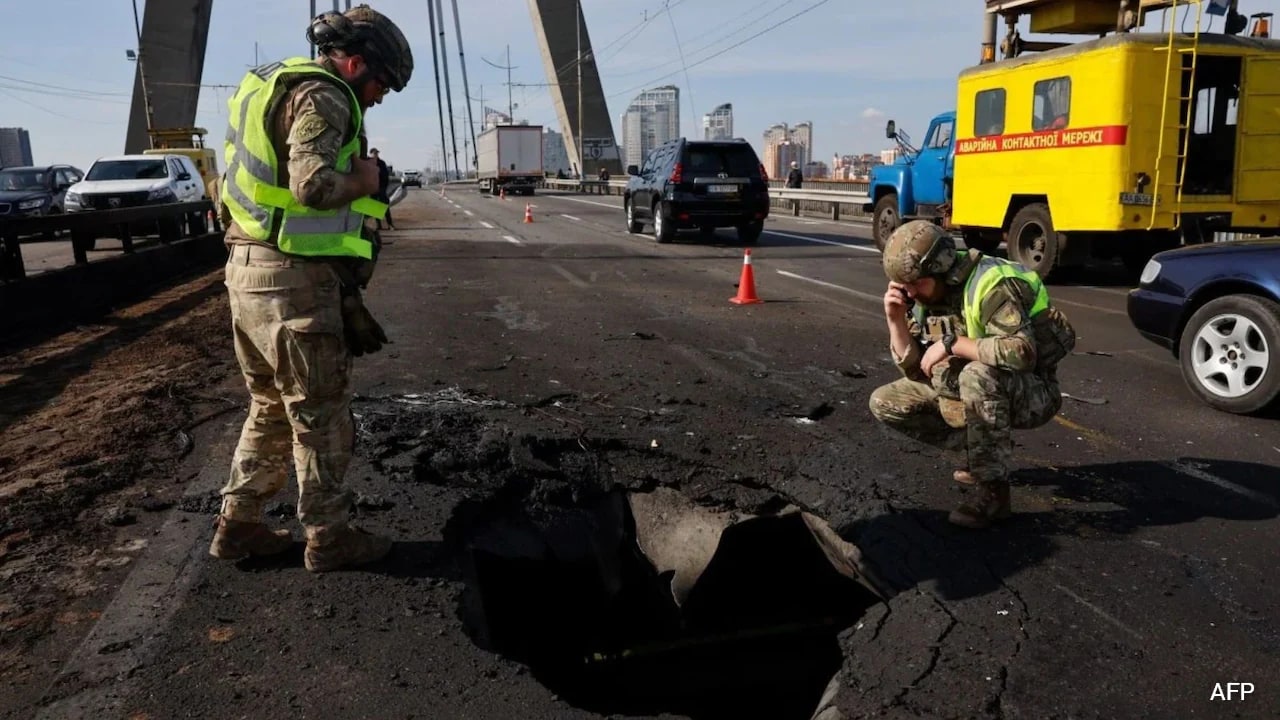
Russia launched a massive wave of 135 attack drones overnight, with over fifty of those being advanced jet-powered models. The targets weren't abstract military bases hidden away in remote fields. They hit the critical Pivnichnyi Bridge in Kyiv, a pharmaceutical warehouse in Sumy, and communications infrastructure in Dnipro. One person died, six were injured, and ordinary citizens once again found themselves sheltering from explosive metal in the dark.
You have to look at the timing. This aerial assault didn't happen in a vacuum. It arrived right alongside a high-profile visit from Berlin and just hours after Kyiv signaled it would ramp up strikes on Russian oil refineries. Moscow's response was swift, predictable, and punishing. The Russian Defense Ministry openly vowed to intensify attacks on military and industrial hubs across Ukraine.
The Winter War and Infrastructure Pressure
Moscow's current drone blitz follows a calculated pattern. By targeting critical structures like the Pivnichnyi Bridge—which connects the eastern and western halves of Kyiv across the Dnipro River—the Kremlin aims to fracture logistics and break public morale. Striking warehouses and power networks right as temperatures drop is an explicit strategy. They want to make daily survival inside Ukraine's cities as difficult as possible.
President Volodymyr Zelenskyy didn't mince words about the sheer scale of the week's onslaught. According to official figures, Russia hurled more than 1,900 attack drones, 1,700 aerial bombs, and 25 missiles at Ukrainian territory over a single week. More than 800 of those drones relied on jet propulsion, marking a noticeable shift toward faster, harder-to-intercept hardware. Power outages are rolling through communities again, and repair crews are working against the clock under constant threat of secondary strikes.
Berlin Steps Up With a Major Aid Package
Chancellor Merz didn't arrive empty-handed. Amid the smoke and blaring sirens, Berlin announced a comprehensive new support package worth more than 1.3 billion euros.
The funds aren't just for general economic relief. They directly target the country's most urgent vulnerabilities heading into winter:
- Critical air defense systems to intercept incoming drones and missiles.
- Specialized weapons and equipment for immediate frontline use.
- Essential funding and materials to patch up the battered energy sector.
During their joint appearance, Merz and Zelenskyy visited a building belonging to the National Academy of Sciences in central Kyiv that had been wrecked by earlier attacks. Merz called out the reality on the ground directly, labeling the daily bombardment of civilian zones as active war crimes and warning that if Russia isn't stopped now, its machine will eventually threaten the rest of Europe.
Ukraine and Germany also formalized a series of security cooperation documents, pushing total recent bilateral agreements past the 8.5 billion euro mark. A newly signed pact specifically focuses on joint efforts to counter drone production and deployment.
What Happens Next
The war has entered an explosive tit-for-tat phase. Kyiv's intention to target Russian oil infrastructure has removed any lingering restraint from Moscow's playbook. With warnings issued for foreign diplomats and citizens to clear out of Kyiv, the immediate future points toward escalated aerial battles rather than quiet negotiations.
European leaders are betting that financial and military reinforcement can outlast Moscow's campaign of attrition. But until those air defenses scale up to handle the influx of jet-powered drones, civilians in Kyiv, Sumy, and Dnipro remain on the frontline of a brutal winter conflict. Check your local emergency alerts, track the air defense updates, and prepare for a volatile stretch ahead.