International diplomacy usually moves at the speed of a frozen glacier, but Ottawa just shocked European capitals by picking a fight with the White House and actually making it stick. When Prime Minister Mark Carney slammed the brakes on trade negotiations with Donald Trump's administration back in August, critics predicted total economic disaster. They assumed Canada would fold under pressure.
Instead, Paris is watching with open approval.
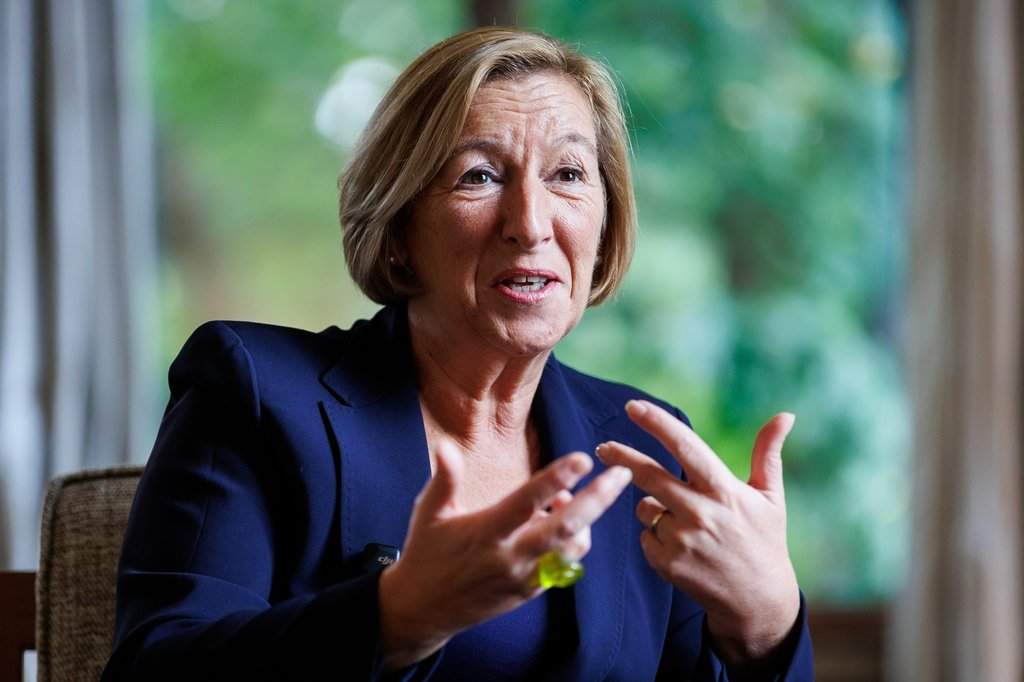
France's newly minted ambassador to Canada, Hélène Farnaud-Defromont, didn't mince words during her first interview in Ottawa. She called the Carney government's handling of aggressive American trade demands "exemplary." When Washington dropped radical last-minute tariff threats and demands on big tech regulation, Ottawa didn't panic. They walked away from the table.
That calm defiance is turning heads in Europe.
Why the French are Applauding Ottawa
Europeans know a thing or two about getting burned by Washington's trade policies. French President Emmanuel Macron spent much of the summer publicly condemning the European Union's willingness to accept a lopsided American deal. That deal slapped a heavy fifteen percent tariff on European exports while leaving American goods untouched.
Watching Canada push back against identical heavy-handed tactics feels refreshing to French officials. When you're dealing with a partner whose signature on a treaty feels increasingly optional, standing your ground is the only logical move.
Carney's approach hits three specific notes that appeal directly to European capitals:
- Calculated calm: Refusing to take the bait while keeping diplomatic channels open.
- Sovereignty protection: Drawing a hard line on language laws and digital regulation.
- Diversification urgency: Actively looking for alternative economic anchors outside the North American orbit.
The Real Cost of Looking Across the Atlantic
Admiration from Paris won't pay a single grocery bill in Calgary or keep an assembly line running in Ontario. That's the part domestic critics keep screaming about, and honestly, they have a point. You can't eat diplomacy.
Canada still relies overwhelmingly on the American market for the vast majority of its exports. Shifting that weight toward Europe sounds great at cocktail parties in Strasbourg, but logistical realities are brutal. Shipping costs are higher, regulatory frameworks are a bureaucratic nightmare, and European markets are already saturated.
Besides, let's look at France's own track record. The French Senate famously refused to ratify the Comprehensive Economic and Trade Agreement between Canada and the EU back in 2014, caving entirely to domestic agriculture lobbying. Paris loves talking about strategic alliances when it suits their geopolitical narrative, but protectionism remains their default setting too.
What Comes Next for the Canada-Europe Alliance
Ottawa and Brussels are gearing up for a bilateral summit later this month, and the terminology is already getting messy. European Commission President Ursula von der Leyen tossed around the controversial idea of "associate" EU membership for Canada. Carney wisely pivoted to calling it an "alliance of the future."
Farnaud-Defromont made it clear that semantics matter less than speed right now. Both sides want deeper cooperation in high-stakes sectors like aerospace, artificial intelligence, quantum tech, and defence.
If Canada is going to successfully decouple some of its economic risk from an increasingly volatile southern neighbor, the European pivot has to be more than just diplomatic flattery. It requires real capital, actual infrastructure investments, and leaders willing to bypass years of bureaucratic haggling over commas and periods.
Stand firm, diversify fast, and stop waiting for Washington to play fair.