Nearly four billion trees vanished from North American forests over a century ago, and most people don't even realize what we lost.
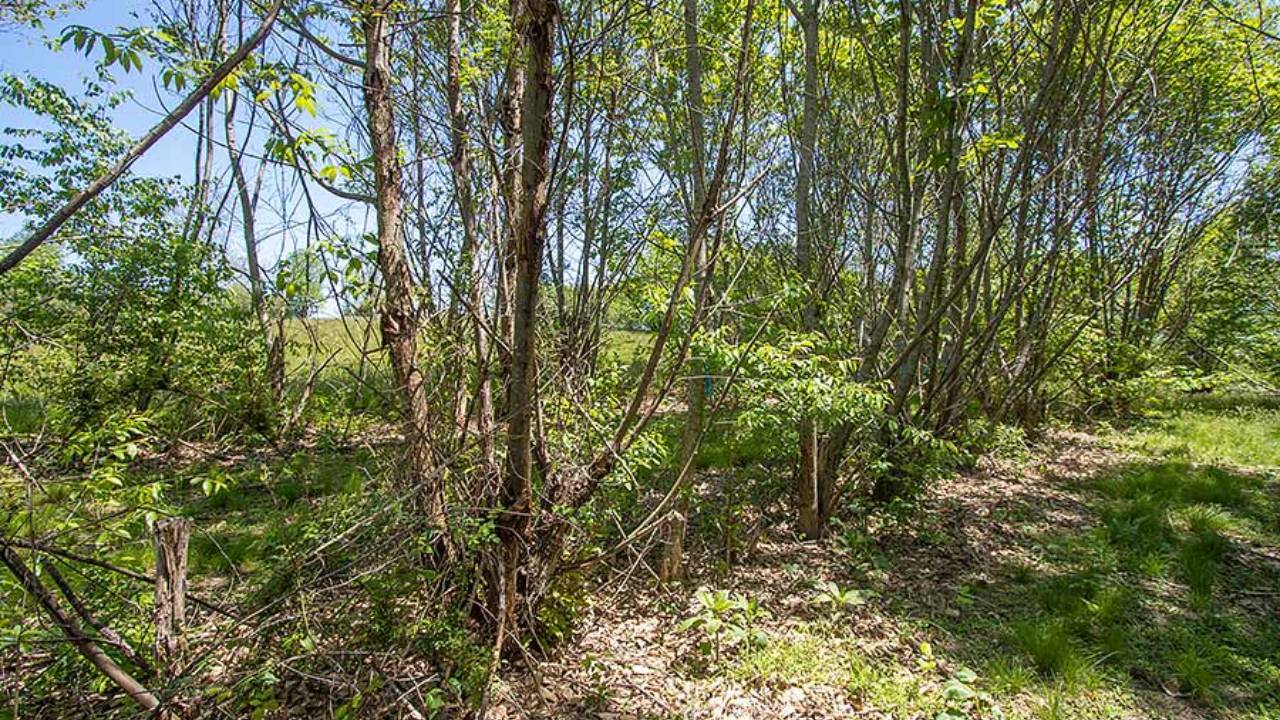
An imported fungal blight wiped out the American chestnut, transforming a foundational forest giant into a distant ghost story. That silent catastrophe happened right around the turn of the twentieth century. Now, a quiet comeback is underway inside the concrete expanse of New York City. Twenty-five hybrid saplings of the American chestnut just hit the soil across the 265-acre grounds of the Bronx Zoo.
This isn't just a nostalgic planting project for green thumbs. It marks a physical return to the exact place where the chestnut blight was first officially documented over 120 years ago. History is echoing back at us.
How the original king of the forest fell so fast
Chestnuts were the absolute backbone of eastern American woodlands. They made up roughly a quarter of all hardwood trees in those forests. Squirrels, deer, bears, and wild turkeys depended heavily on the massive annual mast of sweet nuts. Rural communities relied on the rot-resistant timber to build barns, fences, and furniture that lasted generations.
Then imported nursery stock brought the villain. Cryphonectria parasitica, an Asian bark fungus, slipped past natural defenses. The native trees had zero immunity. Spores entered through microscopic wounds in the bark, grew underneath, and choked off the vascular system.
By the mid-twentieth century, the canopy giants were dead standing timber. They didn't vanish entirely from the earth, though. The root systems kept sending up shoots, but the blight invariably kills those sprouts before they reach maturity. It’s an endless loop of frustration for anyone hoping for a natural recovery.
The science behind the Bronx Zoo saplings
You can't just plant a standard American chestnut seed in New York and expect it to survive today. The fungus is still lurking everywhere. That is why the trees planted at the Bronx Zoo are special.
These are backcross hybrid saplings. Researchers spent decades crossing blight-vulnerable American chestnuts with Asian chestnuts, which evolved alongside the fungus and carry natural resistance. Breeders then repeatedly backcrossed those hybrids with pure American chestnuts. The goal is simple. Keep the towering height, straight grain, and sweet nuts of the native tree while injecting just enough genetic resistance to survive the fungus.
Scientists are playing a very long genetic game. They aren't trying to create a GMO monster in a lab. Traditional breeding takes patience, stubbornness, and decades of field trials.
What this means for urban conservation
Putting twenty-five saplings inside a major metropolitan zoo might look like a symbolic gesture. It is much more than that. Urban wildlife sanctuaries function as critical testing grounds for climate and disease resilience.
Cities present brutal conditions for trees. You get compacted soil, high pollution, intense heat islands, and limited root space. If a blight-tolerant chestnut can establish roots at the Bronx Zoo, it proves the breeding stock handles heavy urban environmental stress.
New York City’s broader tree restoration drives aim to patch up urban canopies with diverse species. Planting chestnuts adds structural diversity back into local ecosystems. Pollinators get early summer flowers. Wildlife gets a reliable, high-calorie food source that out-produces many modern urban street trees.
The road ahead for native restoration
Restoring a vanished keystone species takes centuries, not years. These twenty-five saplings are toddlers in botanical terms. Foresters will monitor them closely for signs of fungal infection, growth rates, and structural integrity.
You shouldn't expect to see chestnut-lined highways or dense chestnut forests covering the tri-state area anytime soon. The ecological recovery moves at a glacial pace. Yet every surviving hybrid represents a crack in a historical curse.
Go visit the zoo grounds if you want to see them. Look past the fences and the crowds. You are staring at the ghost of an American forest learning how to walk again.