Control over a single stretch of coastline can alter the entire balance of power in the Middle East. When Yemeni government forces announced they recaptured the strategic Red Sea port city of Mocha, they didn't just win a local skirmish. They struck back against a Houthi advance that had threatened global trade arteries just weeks prior.
If you've been tracking the broader regional fallout involving Iran, you know how quickly shipping lanes can become weaponized. Let's break down what actually happened on the ground and why this counteroffensive matters for global energy flows.
What is Mocha Port and Why Does It Matter
Mocha isn't just an ordinary coastal town. Located in southwestern Yemen's Taiz province, it sits directly on the doorstep of the Bab al-Mandeb Strait.
That strait acts as a critical marine highway. Millions of barrels of oil and commercial cargo pass through it every single day, traveling between the Indian Ocean and the Suez Canal. When the Iran-aligned Houthis seized Mocha last month, alarm bells rang across international capitals. They gained direct leverage over one of the world's most sensitive maritime chokepoints.
Government-backed units—including the Nation's Shield Forces, the Giants Brigades, and the Tihama Resistance—launched a ferocious counteroffensive. Backed by heavy airstrikes, these forces pushed back into the city's outskirts. They claimed victory after intense battles that left dozens of Houthi fighters dead, wounded, or fleeing the area.
The Regional Chessboard
This localized battle doesn't happen in a vacuum. It ties directly into wider military escalation across regional waterways and diplomatic standoffs.
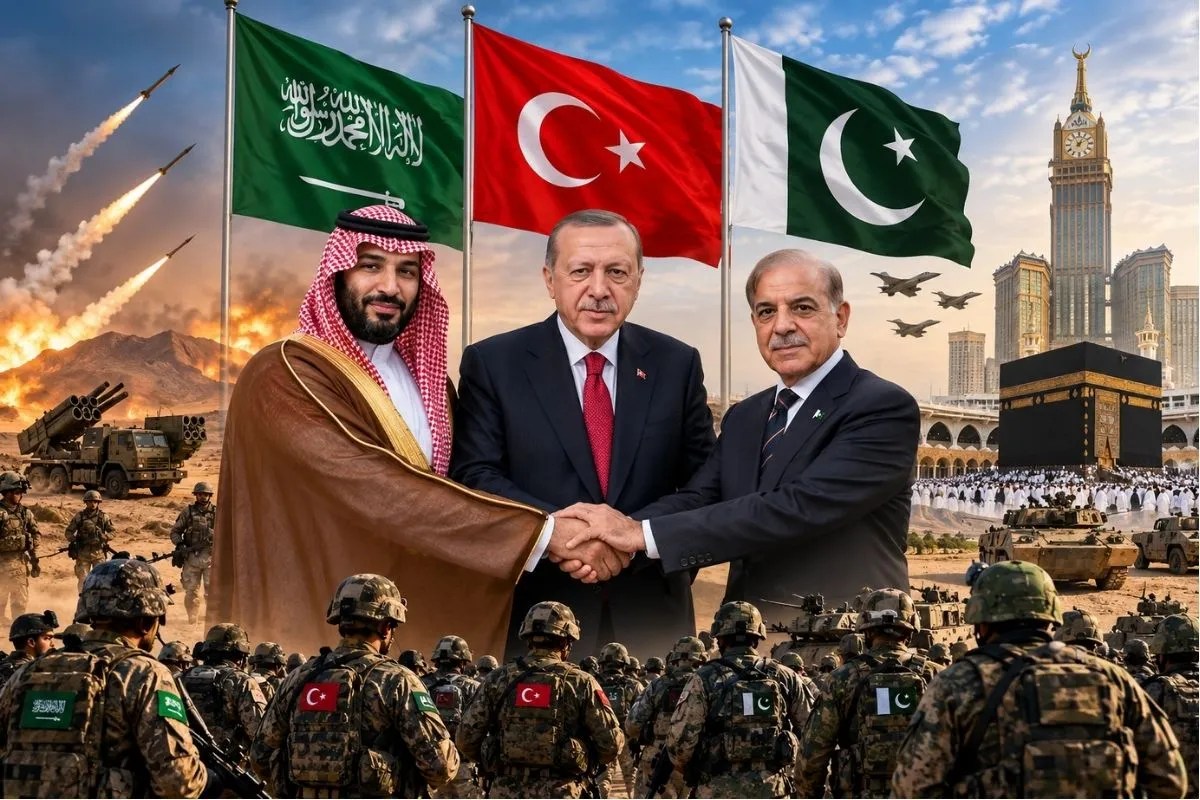
While pro-government troops were clearing Mocha streets, regional defense alignments were shifting rapidly. Türkiye and Pakistan recently agreed to provide military capabilities for rapid deployment to Saudi Arabia under a collective defense pact. At the same time, maritime tensions in the Strait of Hormuz remain dangerously high after an oil tanker was struck by an unidentified projectile.
Iran's leadership has adopted an increasingly uncompromising posture. President Masoud Pezeshkian recently dismissed ongoing diplomatic channels, stating that talks with Washington had become meaningless following recent military exchanges.
Sorting Fact from Propaganda
In conflicts like this, truth is often the first casualty. While state-run outlets and allied military sources reported that Mocha had been fully retaken, opposing local accounts claimed the victory declaration was premature.
Military analysts point out that clearing operations are grueling and messy. Taking control of the port infrastructure is one thing. Securing the perimeter against counter-attacks is entirely different. Ground reports indicate that while government forces made significant territorial gains and pushed Houthi lines back from the Bab al-Mandeb corridor, the frontline remains volatile.
What Happens Next
The recapture of Mocha—if fully consolidated—provides a temporary sigh of relief for international shipping companies navigating the Red Sea. It pushes back an existential threat to commercial vessels.
Yet, the underlying structural conflict remains unresolved. As long as regional proxy dynamics persist, these coastal flashpoints will continue to erupt. Keep a close eye on maritime insurance rates and commercial traffic volume passing through the Bab al-Mandeb Strait over the coming days to gauge whether this government foothold will hold.