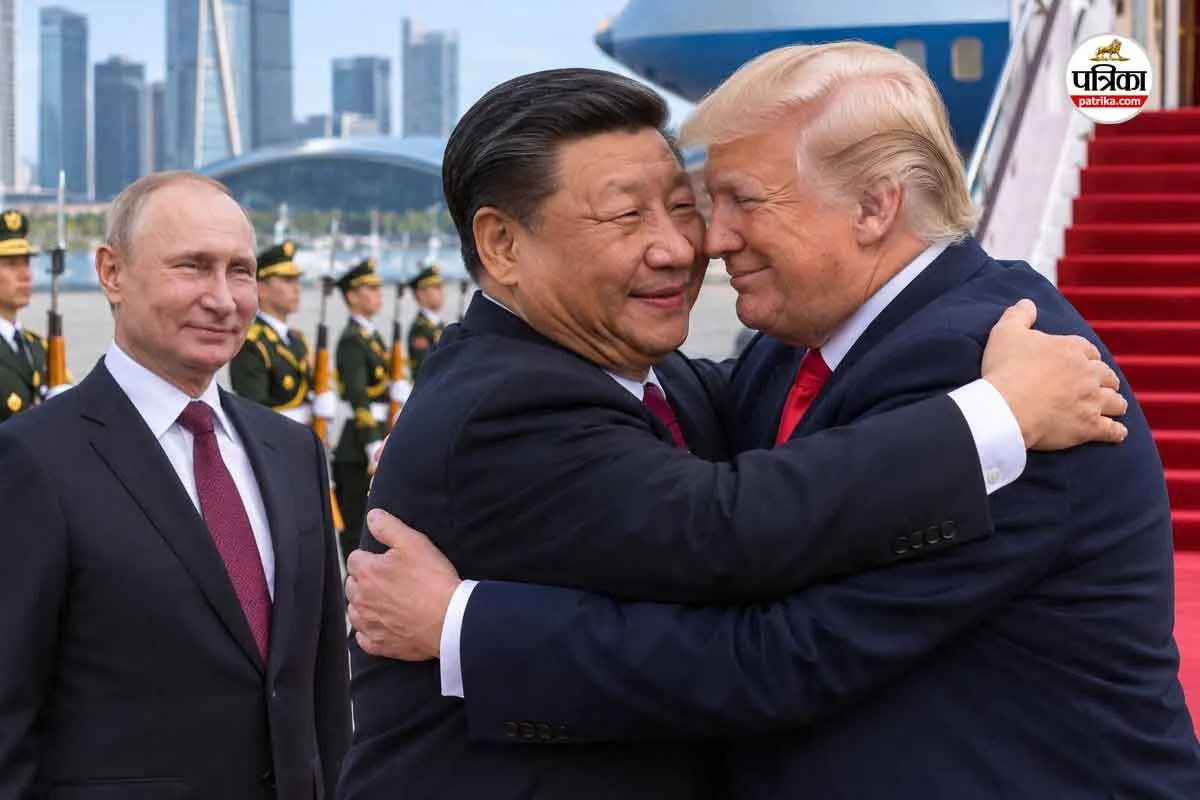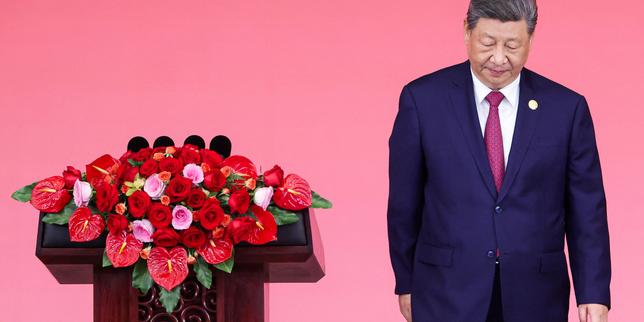
Three men walk into a room in Shenzhen, and everyone else holds their breath. Xi Jinping, Donald Trump, and Vladimir Poutine are sitting down for a rare tripartite summit during the APEC meetings in November 2026. Headlines are screaming about a potential Yalta 2.0, a cozy club of autocrats and superpowers carving up the globe behind closed doors. But focusing entirely on who's sitting at the mahogany table misses the real story.
The most powerful actors in Shenzhen aren't even in the building.
Europe, Ukraine, and regional powers across Asia and the Middle East are glaringly absent from this high-stakes diplomatic theater. Yet, their silence and their exclusion will dictate the outcomes of these negotiations just as forcefully as any signature from Trump, Xi, or Poutine. When great powers try to redraw the board without consulting the pieces, the board usually shatters.
Three Agendas, Zero Common Ground
Let's look past the photo ops. The summit in Guangdong isn't a unified alliance; it's a collision of three desperate, competing strategies.
Vladimir Poutine walked into China needing a massive political win. Cut off from Western capitals for nearly five years due to the invasion of Ukraine and punishing sanctions, his primary goal in Shenzhen is simple: legitimacy. Just standing shoulder-to-shoulder with Xi and Trump hands Moscow the global status it craves, transforming an international pariah back into a pillar of a supposed three-way directorate. Poutine wants the US, China, and Russia to dictate Europe's security architecture—specifically pushing NATO back to its 1997 borders—while cutting Ukraine entirely out of its own territorial future.
Donald Trump arrives with a different scoreboard. Fresh off a bruising midterm election defeat at home, the White House needs a flashy win. Trump wants to talk nuclear arms reduction and a settlement on Iran, hoping to project strength abroad when things are fraying domestically. But his eagerness to cut backdoor deals—like recent side agreements on diesel that bypassed existing Russian sanctions—terrifies traditional allies.
Then there's Beijing. Xi Jinping is hosting, but he's walking a tightrope. China officially dismisses cold war mentalities and zero-sum games, refusing to let Washington lock it into a rigid, trilateral nuclear pact while its own arsenal is still catching up. Pékin wants to project the image of a responsible architect of global peace, not the co-author of a secret imperial partition.
The Quiet Power of the Excluded
This brings us back to the empty chairs.
When major players try to carve up spheres of influence without the consent of those affected, real-world pushback destroys the illusion of control. Kyiv has already made its stance brutally clear, warning that a three-way summit above its head only rewards aggression. Meanwhile, European capitals are watching with undisguised panic, terrified of being sidelined in a new bilateral or trilateral security deal engineered in Shenzhen.
You can't negotiate a stable European security order without Europeans, just like you can't stabilize the Middle East or manage Asian maritime trade by ignoring local actors. History proves that agreements forged over the heads of sovereign nations crumble the moment those nations push back.
What This Means Moving Forward
Don't expect a neatly wrapped treaty to emerge from Shenzhen. The friction points between Washington, Beijing, and Moscow run too deep. Trump wants nuclear curbs; China refuses to be cornered. Poutine wants Ukraine surrendered; the West and Kyiv won't accept it.
The real takeaway isn't that a new global directorate has successfully divided the earth. It's that the absence of Europe and Ukraine hangs over every single microphone in the room. When leaders try to ignore the rest of the world, the rest of the world has a habit of making its voice heard through disruption, defiance, and refusal to comply. Keep your eyes on what happens outside the summit room. That is where the actual future of global politics is being written.