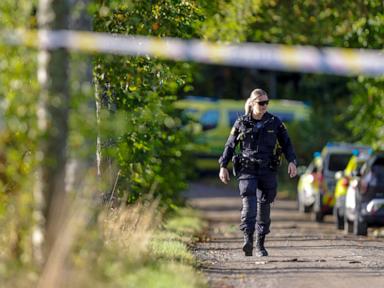
Gun violence in rural Scandinavia hits a nerve differently. When two people were killed and another suffered serious injuries after a gunman opened fire on a hunting party in southern Norway, the quiet shockwaves rippled far beyond the immediate timberlands near Halden.
If you are looking for the core facts behind the headlines, a lone suspect was arrested at the scene following the Sunday attack. The violence occurred roughly 60 miles south of Oslo, near the Swedish border. Police confirmed that the suspect was not part of the hunting group, but local authorities have kept tight-lipped on precise motives while investigations ramp up.
Let's look at what actually happened, why gun culture and safety protocols in Scandinavia are under the microscope, and what we know so far about this rare escalation of rural violence.
What Happened During the Halden Shooting
The incident unfolded on a Sunday afternoon in a wooded area outside Halden. A group gathered for a routine hunting excursion—a common, highly regulated seasonal activity across Norway’s vast forests.
Instead of a peaceful weekend outdoors, the group faced sudden gunfire. Two individuals died from their injuries at the scene. A third person sustained severe wounds and required an emergency helicopter evacuation to a nearby hospital for intensive treatment.
Local police, led by regional response teams, arrived quickly. The suspect was captured on-site without a prolonged manhunt. Authorities quickly reassured the public that they believed the shooter acted alone and that there was no ongoing, broader threat to the surrounding community.
The Context of Gun Violence in Norway
Norway maintains some of the strictest firearm acquisition and ownership laws in Europe. Getting a hunting license requires mandatory courses, written exams, practical shooting tests, and strict background checks by local police chiefs. Because hunting is deeply woven into rural Norwegian traditions, firearms are common, but mass or targeted violence involving hunters in the field is extraordinarily rare.
When a shooting happens in this setting, it forces a national conversation about public safety in open wilderness areas. Unlike urban spaces monitored by constant patrols or closed-circuit cameras, dense forests offer zero digital visibility. Hunters rely heavily on trust, strict adherence to safety codes, and geographical isolation to stay safe.
Unanswered Questions Facing Investigators
As police investigators piece together the timeline, several critical questions remain wide open.
- What was the motive? Police have stated it is far too early to declare a clear motivation. Investigators are looking at every angle, including personal disputes, mental health crises, or erratic random aggression.
- How did the suspect encounter the group? Because the shooter was not affiliated with the hunting party, determining whether the encounter was planned or a chance collision in the woods is a primary focus for forensics teams.
- What is the condition of the surviving victim? Medical updates remain sparse due to privacy laws, though the individual's immediate airlift pointed to critical, life-threatening injuries.
Moving Forward After the Incident
For outdoor enthusiasts and hunting communities across Scandinavia, the tragedy serves as a grim reminder that isolated landscapes do not guarantee immunity from modern violence. Local authorities are offering crisis support services to families affected by the shooting in Halden, while national media continues to monitor updates from the regional police district.
Stay alert to official police statements as the investigation develops over the coming days.