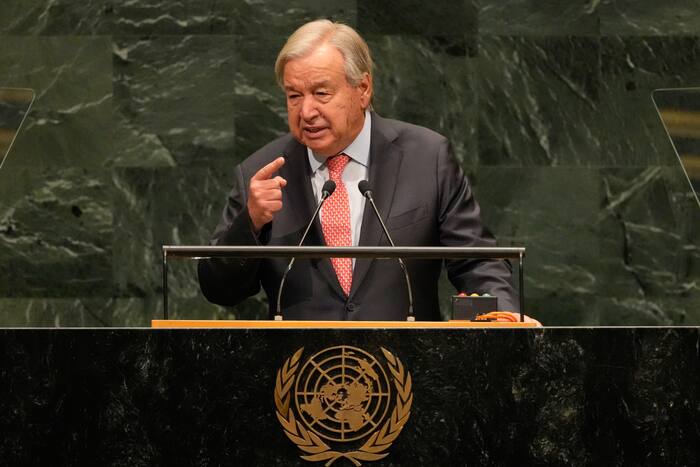
The United Nations is 81 years old, broke, and routinely sidelined from the world's worst conflicts. As outgoing Secretary-General Antonio Guterres wraps up his tenure, the race is on to find a successor who can navigate a fractured global order. But whoever steps into the role is walking into a diplomatic minefield that might be fundamentally unfixable.
People want to know if the next UN leader can actually stop wars in places like Ukraine, Gaza, and Sudan. The short answer? Not without a complete overhaul of how global power works. The longer answer involves confronting structural flaws baked into the institution since 1945.
The Bureaucratic Bloat and Financial Crunch
Money talks, and right now the UN doesn't have enough of it. Massive funding shortfalls—largely driven by unpaid dues from major contributors like the United States—have forced severe cuts to humanitarian and development programs.
The next leader can't just be a figurehead who gives inspiring speeches at the General Assembly. They have to act like a ruthless chief executive. That means trimming bloated Secretariat mandates, eliminating redundant reports that nobody reads, and stretching every remaining dollar to keep essential relief operations afloat.
Why Security Council Reform Remains a Pipe Dream
Everyone agrees the UN Security Council is outdated. You have an elite club of five permanent members holding absolute veto power—the US, Russia, China, Britain, and France—while entire continents like Africa, home to 1.5 billion people, have zero permanent representation.
Ghana's President John Mahama pointed out the obvious truth during the recent UN General Assembly: reforming the Security Council isn't charity for Africa, it's an absolute survival requirement for the credibility of the international system.
Yet, talking about reform is easy; executing it is nearly impossible. Every member state has a different idea of how to expand the council. Because the permanent five hold veto power, any structural change requires their explicit approval. Turkey won't vote for a plan that favors a rival, and Washington and Beijing can't agree on much of anything. The next secretary-general will spend countless hours banging their head against this diplomatic brick wall.
The Death of Multilateralism and Rise of Unilateralism
We are living through an era where "might makes right" is replacing international law. Leaders are bypassing multilateral forums to pursue narrow national interests.
Think back to the tenure of Kofi Annan. He threw himself directly into active mediations and held immense moral authority. Today, the UN is frequently left watching from the sidelines while regional powers dictate terms.
To break this cycle, the incoming chief needs an aggressive strategy for digital governance and artificial intelligence oversight before algorithms outpace international regulation. Guterres left behind sharp warnings about governing AI before it governs us, but translating those warnings into binding global treaties requires a leader with unusual backbone.
What Happens Next
If you're looking for a silver bullet, you won't find one. The next UN secretary-general won't magically restore world peace overnight.
Instead, success will be measured in smaller, gritty increments. Watch for whether the new chief can extract financial commitments from delinquent superpowers, streamline agency operations without collapsing field services, and carve out a credible mediation space in at least one intractable conflict. If they can manage that, they'll have beaten the odds.