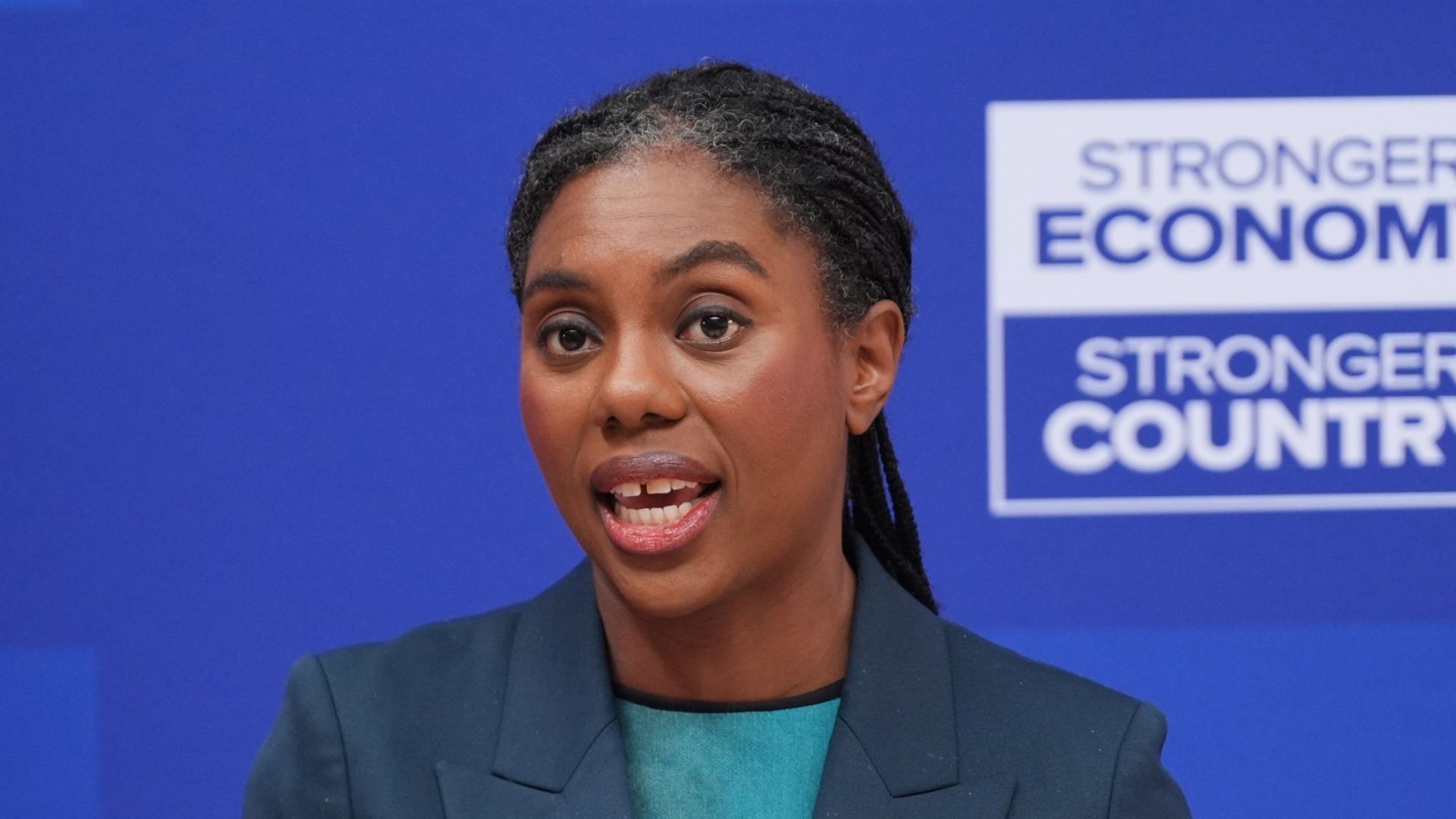
Political harassment isn't just an unpleasant part of the job anymore. It's a systemic rot threatening the fabric of public service.
When former teacher Kieran Kyle sat behind a screen and fired off a flurry of racist emails and death threats to Conservative Party leader Kemi Badenoch, he wasn't just expressing a fringe political disagreement. He crossed a bright red line into violent intimidation. A UK court handed Kyle a 20-week prison sentence and a five-year restraining order.
Justice was served, technically speaking. But looking at a 20-week sentence for sending death threats misses the wider reality of how toxic modern political life has become.
The Anatomy of a Targeted Harassment Campaign
The abuse didn't stop with Kemi Badenoch. Kyle also targeted her husband, Hamish, sending him racially charged messages that suggested the opposition leader had a "big mouth" and needed a "leash". To add weight to his threats, Kyle falsely claimed he had been an IRA member—a convenient fabrication his defense counsel quickly conceded had no basis in reality.
Prosecutor Ben Holt laid bare the deep distress caused by the communications. These weren't poorly worded policy critiques. They were explicit, racially motivated threats intended to terrify and silence.
Chief Magistrate Paul Goldspring dealt out the sentence after Kyle pleaded guilty to counts of sending indecent or offensive communications. Yet, numbers inside a sentencing guideline rarely capture the psychological toll exacted on public figures and their families.
What Kemi Badenoch and Her Husband Got Right
Following the sentencing, a joint impact statement from Mr. and Mrs. Badenoch cut straight to the core of why this case matters beyond the courtroom drama.
They pointed out that the true danger isn't merely the personal harm directed at them. It's the chilling effect these campaigns have on democratic life as a whole. When elected officials and political leaders face routine death threats and vicious racial abuse, the pool of people willing to step forward shrinks.
Public service already demands thick skin, long hours, and relentless scrutiny. It shouldn't require risking physical safety just to represent a local constituency or lead a national party. Every time a keyboard warrior fires off a violent threat, they push competent, dedicated individuals further away from public office.
The Chilling Effect on Public Life
We have a recruitment problem in modern politics, and intimidation is driving it.
If you're a talented professional considering a run for parliament, you weigh the career disruption, the pay cut, and the public exposure. Then you factor in the threat of extremists trawling your social media, doxxing your family, or sending explicit death threats to your inbox.
Suddenly, public life looks a lot less like civic duty and a lot more like a hazard zone.
The five-year restraining order preventing Kyle from contacting Badenoch or her parliamentary office offers temporary breathing room. But restraining orders are reactive band-aids. They deal with the perpetrator after the damage is done. They don't stop the next radicalized individual from typing out hate speech tomorrow morning.
Raising the Cost of Online Abuse
For years, digital platforms and legal systems treated online threats as empty virtual noise. Courts assumed words on a screen carried less weight than words spoken face-to-face.
Cases like this prove how outdated that mindset is. Words written in an email can cause genuine terror, upend family routines, and degrade the quality of national debate.
If democracies want to protect the pipeline of future leaders, the legal consequences for targeting public figures with racist abuse and death threats need to match the real-world harm they cause. A 20-week sentence might satisfy the letter of the law, but it's hard to shake the feeling that it barely scratches the surface of a much deeper cultural infection.
The digital space has given anonymous cowards a megaphone. Shutting them down requires swift enforcement, zero tolerance for racial intimidation, and a collective refusal to let thugs dictate who gets to serve in public office.