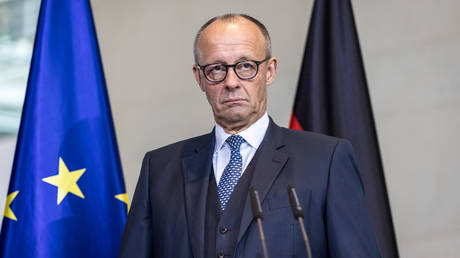
When Donald Trump, Vladimir Putin, and Xi Jinping sat down together in China, the photo op was impossible to miss. Trump grinned for the cameras and declared they were "making history," boasting about ditching old-school diplomacy. Meanwhile, autocrats in Moscow and Beijing smiled quietly, knowing they got precisely what they wanted out of the gathering: legitimation, prestige, and a front-row seat to shifting American influence.
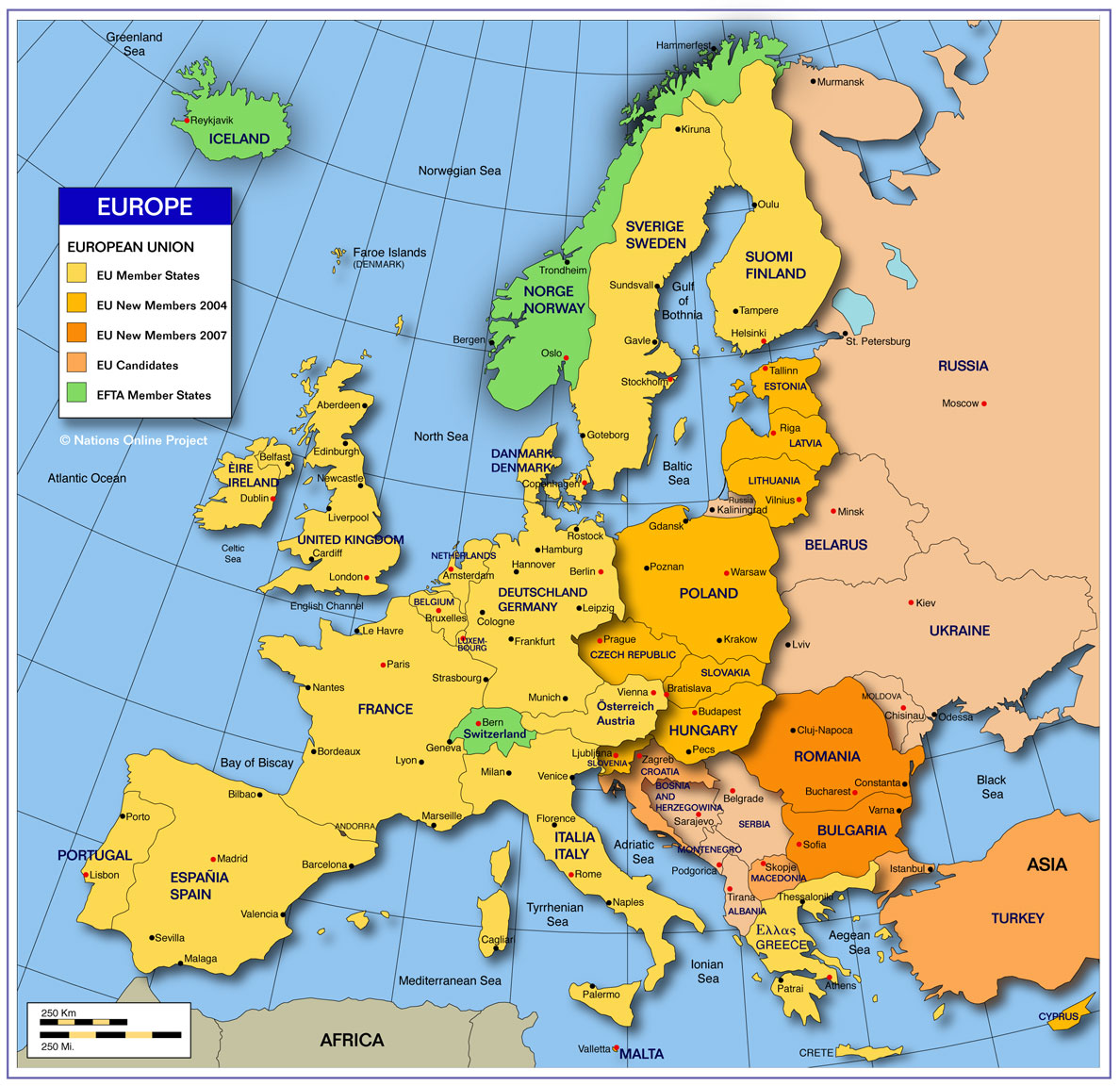
While global crises escalate from energy standoffs in the Strait of Hormuz to relentless drone strikes across Eastern Europe, Washington's strategic posture looks surprisingly unfocused. Instead of holding adversaries accountable, recent high-level talks in Beijing and Shenzhen showcased an American president eager for headlines, surrounded by authoritarian leaders playing a far longer, far colder game.
Understanding what actually happened behind the closed doors of this unprecedented trilateral summit requires looking past the White House spin and looking closely at the shifting power balance between Washington, Beijing, and Moscow.
What Actually Happened at the Trilateral Summit in China
The official White House press brief framed the trilateral meeting as a groundbreaking effort to address global instability. But stripped of diplomatic fluff, the tangible results tell a much sparser story.
Trump entered the summit facing mounting domestic pressure. A rough midterm election cycle, widespread domestic infrastructure glitches, and soaring energy volatility stemming from Middle Eastern blockades left Washington needing a high-profile win. Trump floated broad claims about securing alignment with Xi on keeping the Strait of Hormuz open and preventing nuclear proliferation in Iran.
Yet, no formal treaties were signed. No measurable enforcement mechanisms were established. China made zero commitments regarding its territorial posture in the South China Sea or its pressure on Taiwan. Instead, Xi Jinping managed to host two rival global superpowers on home soil, positioning himself as the indispensable "adult in the room" mediating global disputes.
Putin walked away with an even cleaner victory. By sharing an equal platform with the President of the United States without making a single concession on his military campaign in Ukraine, the Russian leader achieved instant diplomatic rehabilitation.
The Optics vs Reality of Modern Dictator Diplomacy
Diplomacy is largely a game of theater, but the contrast in posture between the leaders was stark.
Trump approached the summit like a high-stakes real estate deal, heavily relying on personal rapport and transactional flattery. On Fox News broadcasts, he repeatedly praised his "friendship and respect" with autocrats, interpreting lavish airport welcomes and red-carpet ceremonial honor guards as political victories.
Xi and Putin approached the gathering with structural discipline. For Beijing, hosting both the US and Russian heads of state simultaneously served as undeniable proof that the geopolitical center of gravity is moving eastward.
Consider how the bilateral dynamics stacked up during the proceedings:
- China's Core Agenda: Secure uninterrupted access to global energy supplies, position the Yuan as a dominant regional trade currency, and avoid binding international regulations on artificial intelligence and trade tariffs.
- Russia's Core Agenda: Bypass Western economic isolation, expand non-dollar trade settlement routes with Beijing, and normalize its security actions in Europe under the guise of "multipolar stability."
- Washington's Core Agenda: Secure short-term photo ops, generate domestic media headlines, and request help managing energy spikes caused by regional blockades.
When you look at those competing objectives, it's clear who drove the agenda. Trump treated the summit like an informal meeting between peers, while Xi and Putin treated it like a strategic realignment.
Why Washington keeps falling for the authoritarian trap
The fundamental mistake in contemporary US foreign policy isn't a lack of military or economic muscle. America still holds the world's most powerful military and a dominant financial system. The mistake is confusing personal rapport with strategic leverage.
Autocrats don't make structural concessions because a US president calls them "friends" at a press conference. Beijing and Moscow operate on multi-decade horizons. They view temporary political instability in Western democracies as an opportunity to carve out permanent spheres of influence.
When Washington signals that major geopolitical disputes can be ironed out over an informal chat, it hands dictatorial regimes massive leverage. Beijing gets to present itself as a peaceful global mediator without stopping its aggressive naval expansion. Moscow gets to treat its international isolation as a temporary inconvenience while continuing its territorial expansion in Europe.
By participating in loosely structured summits without firm pre-conditions, American leadership inadvertently validates the narrative that democratic alliances like NATO are obsolete relics, replaced by ad-hoc deals among strongmen.
The Long-Term Impact on Western Security and Global Trade
The fallout from this summit extends far beyond immediate news cycles. It accelerates two alarming long-term trends in international trade and security.
1. The Rapid De-Dollarization of Global Commerce
Russia and China have systematically eliminated the US dollar from their bilateral trade, settling hundreds of billions in commercial volume directly in roubles and yuan. As Moscow and Beijing pull secondary trading partners into these non-dollar clearing systems, Washington's most potent non-military weapon—economic sanctions—loses its bite.
2. The Erosion of Multilateral Alliances
European and Asian allies watch these high-profile strongman gatherings with deep anxiety. When the White House casually floats broad security adjustments or territorial compromises over informal summit dinners, traditional allies begin questioning the reliability of American security guarantees. This pushes regional powers like Japan, South Korea, and European nations to reconsider their own defense postures, accelerating global rearmament.
Practical Steps for Countering Authoritarian Influence Today
Navigating a world where autocratic powers are increasingly coordinated requires clear, pragmatic action from policymakers, business leaders, and informed citizens. Wishing for a return to post-Cold War American dominance won't fix structural shifts. Action will.
Here is what needs to happen to rebuild genuine leverage:
- Decouple Critical Supply Chains from Monopolistic Regimes: Governments and corporations must aggressively diversify manufacturing out of centralized autocratic states. Reliance on single-source foreign manufacturing leaves Western economies vulnerable to political blackmail during geopolitical crises.
- Prioritize Institutional Alliances Over Personal Relations: Foreign policy must return to institutional, predictable diplomacy grounded in alliances like NATO and regional economic pacts, rather than relying on unpredictable personal relationships between heads of state.
- Enforce Strict Energy and Financial Independence: Securing domestic energy production and building resilient supply lines reduces vulnerability to energy choke-points in critical maritime corridors like the Strait of Hormuz.
- Demand High-Condition Diplomacy: Future presidential summits with adversarial autocrats must carry strict, non-negotiable preconditions before photo ops are granted. Free exposure on the global stage is a major diplomatic asset that should never be handed out without concrete, verifiable concessions in return.
America retains immense economic, technological, and military advantages. But those strengths mean nothing if leadership continues to trade long-term strategic leverage for short-term headlines. Stopping autocrats from redrawing the global map requires strategic clarity, firm boundaries, and an unyielding commitment to democratic alliances.