Forty years behind the lens in conflict zones teaches you a lot about human cruelty. But veteran Washington Post photojournalist Heidi Levine didn't expect to become the story while documenting the annual Palestinian olive harvest in the West Bank.
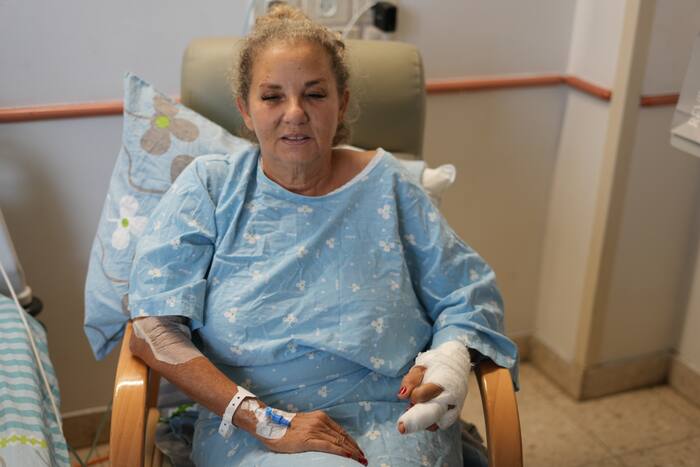
Ambushed and beaten by masked extremists in the village of Abu Falah, Levine suffered broken vertebrae and stab wounds while shielding her cameras. What stung worse than the blows from slingshots and bottles? The public reaction from Israeli Prime Minister Benjamin Netanyahu.
When political leaders downplay well-documented violence as mere allegations, they send a dangerous signal. For Levine, Netanyahu's cautious wording felt like a slap in the face. It exposed a widening gulf between top political figures and citizens demanding accountability in a deeply polarized region.
The Reality on the Ground During the Olive Harvest
Every autumn, the olive harvest brings deep tension to the West Bank. For Palestinians, these trees represent decades of heritage and economic survival. For radical settlers, the harvest often sparks violent incursions aimed at driving rural communities off their land.
Human rights monitors note that hundreds of Palestinians face intimidation, beatings, and property destruction during these seasonal windows. Yet, arrests remain rare, and prosecutions are almost nonexistent.
Levine wore clear press insignia when the attack occurred. It didn't matter. The mob targeted anyone documenting the chaos. Her helmet and protective vest absorbed the worst of the blows, keeping a brutal ten-minute assault from turning fatal.
Political Fallout and Rising Tensions
The timing of the attack couldn't be more politically sensitive. Israel faces a high-stakes electoral cycle, putting Netanyahu under intense scrutiny. International pressure over unchecked settlement expansion continues to mount, even from traditional allies.
While U.S. Ambassador Mike Huckabee condemned the assault as a despicable act of terror by masked cowards, reactions within Israel revealed deep internal fractures.
President Isaac Herzog reached out directly to Levine, apologizing and calling the perpetrators a stain on society. Meanwhile, a coalition of former high-ranking security officials—including former Defense Minister Moshe Yaalon and former Mossad chief Tamir Pardo—signed a scathing letter. They argued that state-level leniency has emboldened extremists to act with near-total impunity.
Accountability Versus Rhetoric
Netanyahu's refusal to immediately validate the severity of the attack highlights a broader pattern of political avoidance. When leadership minimizes violence committed by radical factions, victims lose faith in the rule of law.
Levine isn't asking for special treatment because she's a foreign journalist. She's demanding that officials acknowledge a systemic crisis affecting ordinary civilians who have no one to protect them.
The physical injuries will heal, but the institutional failure remains raw. Real security requires confronting extremism head-on rather than turning a blind eye for political convenience.