An unusual medical scare in Siberia just grabbed Washington's attention. President Donald Trump publicly addressed reports of a suspected pneumonic plague case originating in the Irkutsk region, stating clearly that the United States stands ready to assist if needed.
When you hear about potential plague outbreaks in high-security facilities, alarm bells ring fast. But what is actually happening on the ground in Russia, and why did the White House step in so quickly?
What Happened in Siberia
The story centers on a laboratory worker at the Irkutsk Anti-Plague Research Institute of Siberia and the Far East. Following a fatal case of severe pneumonia that took the life of 28-year-old technician Darya Shipilova, local security and health protocols kicked into high gear. Unofficial reports from regional outlets like People of Baikal suggested she might have contracted pneumonic plague through an accidental exposure, triggering the quarantine of roughly 200 people who had contact with her or the facility.
Yet, Russian health authorities have pushed back against the panic. Officials insist that postmortem tests have not detected plague bacteria, officially classifying her passing as pneumonia of unknown origin.
Despite official denials from Moscow, the mere association with an anti-plague research lab is enough to make international public health monitors nervous. Pneumonic plague is the most contagious form of the bacterial disease, capable of spreading via respiratory droplets and turning fatal quickly without early antibiotic intervention.
Trump Reaction and US Stance
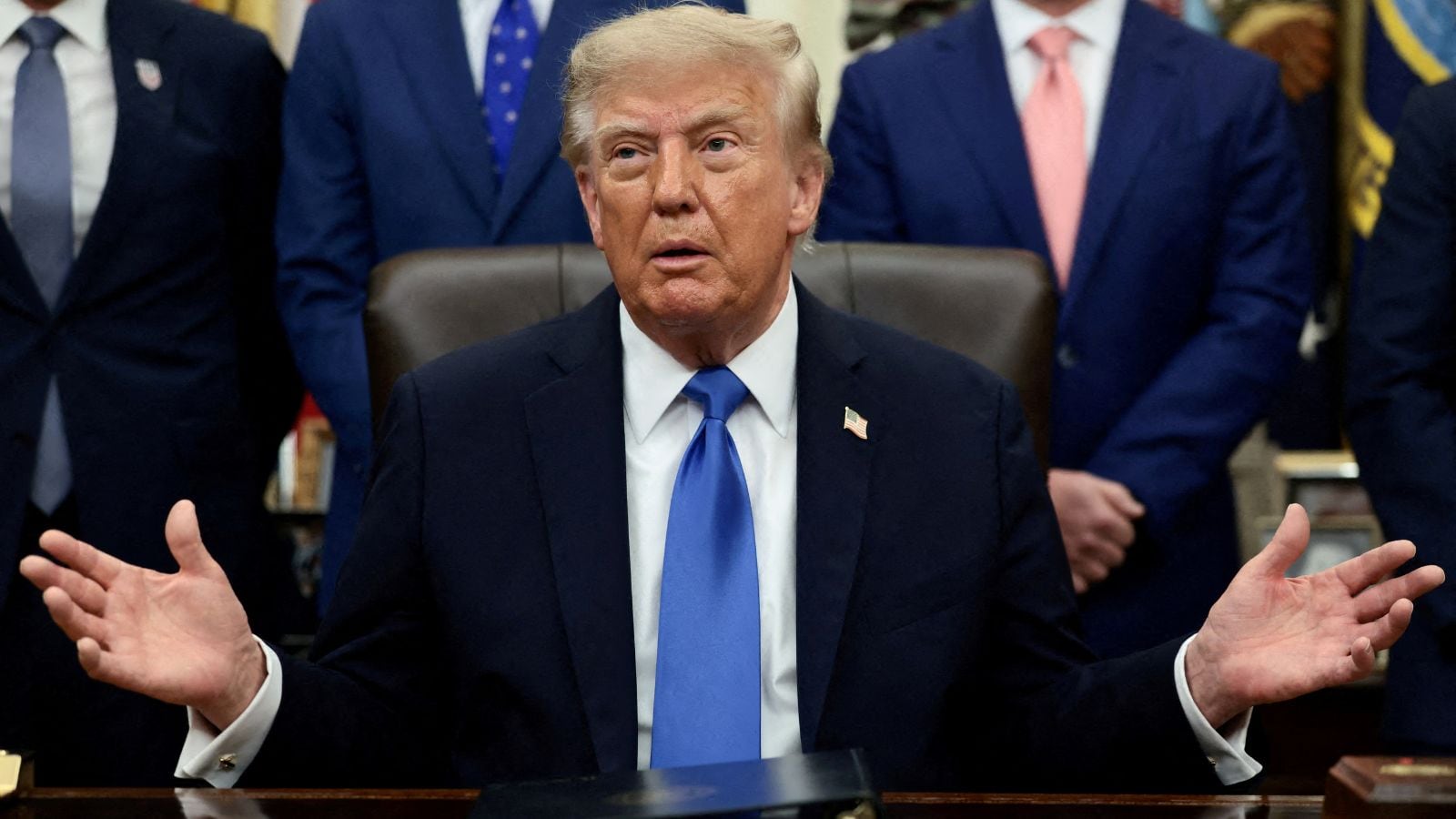
Speaking to reporters outside the White House before heading to a campaign rally in Nebraska, Trump didn't mince words. He called the situation a big problem for Russia and pointed out how stubborn modern pathogens can be.
"Years ago you could treat pneumonia easier, and the microbes and the germs have gotten stronger," Trump remarked to the press pool. When asked if Washington would offer support, his answer was direct. "We'll help them. We'll help them. Anybody that has that kind of a problem, we're always willing to help."
US Secretary of State Marco Rubio echoed that sentiment while speaking to journalists before an overseas trip, noting that while travel between the US and Russia remains very limited, biosecurity threats demand close watch. Rubio emphasized that it isn't an immediate cause for mass alarm, but it definitely warrants careful monitoring.
Why This Threat Matters Now
Pathogens don't care about geopolitical borders or trade sanctions. Even amidst tense relations over the war in Ukraine, medical emergencies often bypass political friction.
Historically, scientific cooperation on infectious diseases between superpowers has survived worse political climates. Laboratories handling dangerous agents like Yersinia pestis—the bacterium responsible for plague—operate under strict containment, but accidents happen everywhere.
The World Health Organization has currently assessed the risk to the general public as low, given that Russian authorities clamped down with immediate isolation procedures and contact tracing. Still, the incident highlights a broader anxiety: the constant race between mutating microbes and medical defenses.
Keep an eye on official updates from international health agencies rather than social media rumors. If further containment measures fail or if Moscow changes its tune on the lab test results, you'll hear about it from global health watchdogs first.