Foreign aid isn't charity. It's a negotiation. When Washington tied billions in health assistance to mandatory patient data and specimen-sharing clauses, African nations found themselves facing an uncomfortable choice. Take the money or protect national sovereignty.
Zambia just chose the latter and won.
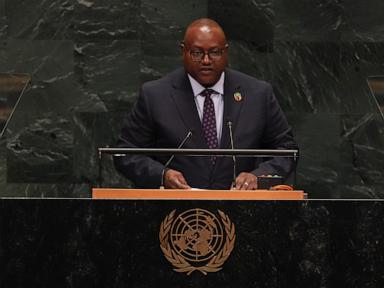
Zambian Minister of Health Roma Chilengi announced that the country will sign a five-year, $3.6 billion health agreement with the United States after scrubbing out every single requirement to hand over individual health data and biological specimens. The revised deal keeps the cash flowing for essential public health services without turning citizens into uncompensated biological test subjects for foreign entities.
You don't need a degree in international relations to see why this matters. Under the initial framework pushed by the Trump administration's "America First" foreign policy—especially following the dismantling of the U.S. Agency for International Development (USAID)—bilateral health pacts across the continent came with strings attached. Washington wanted rapid access to local medical records and disease samples within five days of a request. Those samples could then go to up to ten unnamed American non-government entities to build diagnostics and therapeutics.
The catch? The host nation wouldn't automatically benefit from the resulting medical products. If treatments materialized, African governments would have to pay for them out of pocket, and only after domestic U.S. needs were fully met.
That model doesn't fly anymore. Nations across Africa are drawing a hard line.
Look at what happened elsewhere in the region. Zimbabwe outright rejected a U.S. health funding deal over identical data-harvesting demands, prompting Washington to pull the plug entirely on its assistance last month. Namibia pushed back against similar clauses, leading to phased-out U.S. funding for HIV programs. Ghana's President John Dramani Mahama slammed a comparable proposal, telling his cabinet to throw it out in record time after realizing Ghana would have zero inspection rights over incoming medications.
Zambia's strategy proves that diplomatic pushback can succeed without walking away from the table entirely. By standing firm on sovereignty, Lusaka secured vital funding while keeping citizens' private health records out of foreign hands.
The broader shift is impossible to ignore. African leaders are no longer willing to trade away genetic resources and sensitive health metrics for short-term budget relief. If foreign partnerships are going to work, they have to respect local laws and ensure equal access to medical innovation.
Check your own local healthcare reporting and track how foreign aid agreements evolve in your region. Demand transparency from policymakers on what data is being shared across borders, and support legislative protections that keep domestic health information secure.