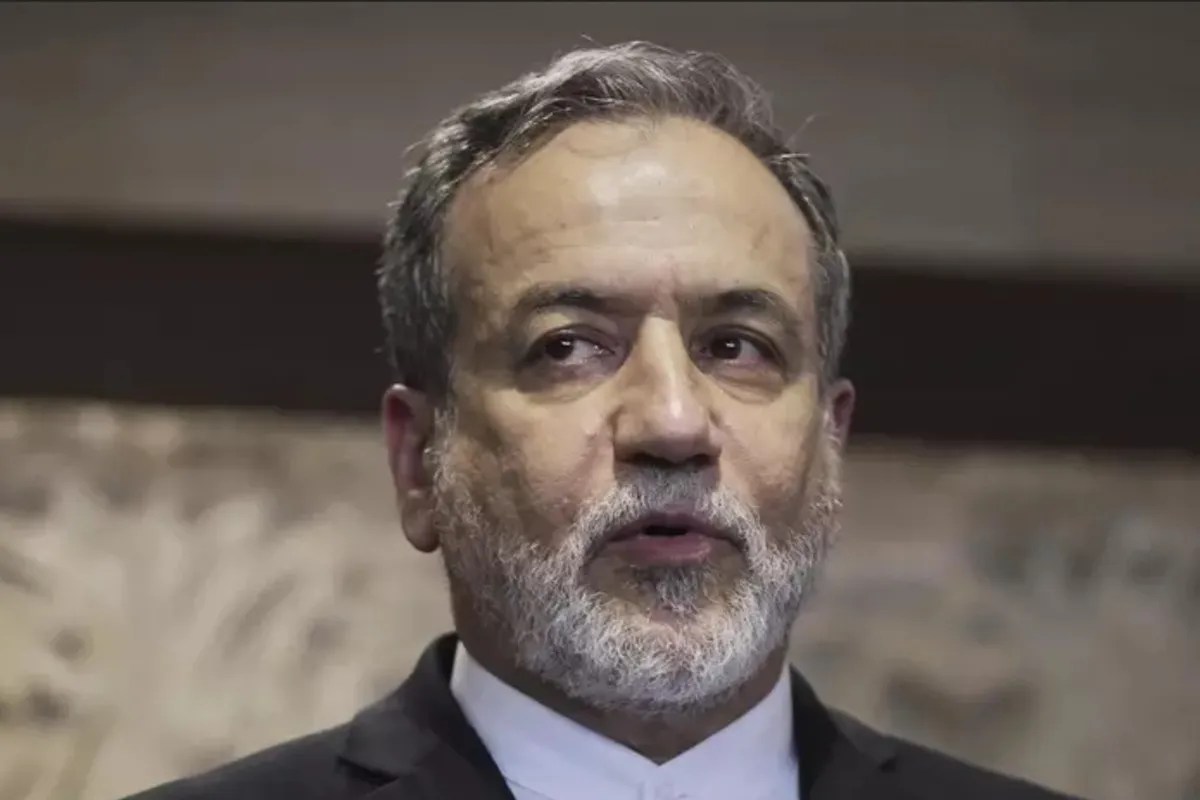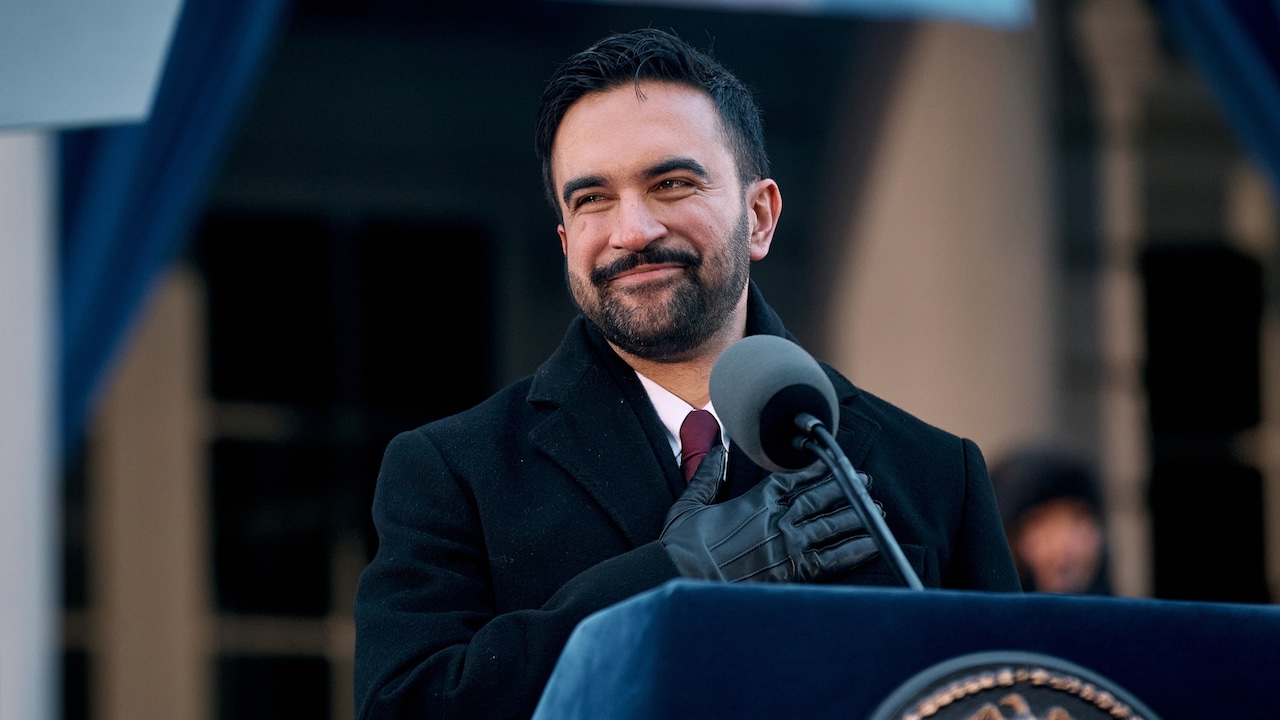
New York City just flipped the script on how it handles crowds, protests, and police power. Mayor Zohran Mamdani didn't just tweak standard operating procedures. Alongside Police Commissioner Jessica Tisch, he officially pulled the plug on the Strategic Response Group (SRG), a 500-member specialized unit that has spent a decade at the center of violent clashes, civil rights lawsuits, and intense political friction.
If you've followed municipal politics or marched through Manhattan over the last ten years, you know the SRG. They're the ones wearing heavy tactical gear, carrying long guns, and frequently deploying kettling tactics during high-stakes demonstrations. Now, they're history. Or rather, they're being reassigned. Read more on a related issue: this related article.
Let's look at what actually changed, why the political fallout is explosive, and what this means for the future of urban policing.
Inside the Death of the SRG
The Strategic Response Group wasn't born yesterday. Created back in 2015, the unit was originally sold as a dual-purpose rapid deployment force: ready to counter sudden terrorist threats and manage large-scale crowd control. Additional journalism by NBC News explores related perspectives on this issue.
In practice, it became the go-to hammer for public demonstrations. From the 2020 Black Lives Matter marches following George Floyd's murder to recent protests opposing Immigration and Customs Enforcement (ICE) actions, the SRG earned a notorious reputation for aggressive tactics. Critics pointed to rampant use of excessive force, arbitrary arrests, and crowd containment methods that frequently escalated tensions instead of cooling them down.
Mamdani's announcement fulfills a major campaign commitment. But instead of just scrapping the unit and walking away, the administration is splitting its twin mandates down the middle:
- Counterterrorism: Heavy weapons and critical infrastructure defense are moving directly under the NYPD's Intelligence and Counterterrorism Bureau.
- Protest Response: The city is phasing out heavy-handed tactical deployment for public demonstrations.
Until a planned civilian-led division becomes fully operational, a newly formed unit called the First Amendment Support Team (FAST) will step in. More importantly, the city is officially restricting the use of tear gas, pepper spray as a general crowd-management tool, long guns, and kettling.
The Civilian Unit Experiment
The most radical departure from traditional policing isn't the disbandment itself—it's what's replacing it. City Hall plans to build an unarmed, civilian-led dialogue division to handle demonstrations.
These civilian responders won't carry weapons and won't have arrest powers. When an arrest is necessary, traditional uniformed officers will be called in to handle the enforcement side.
Skeptics are already pointing out the timeline. Reports indicate this civilian unit won't be fully up and running until 2028. That leaves a multi-year gap where protest management will rely heavily on newly minted protocols rather than an established workforce.
Yet, Commissioner Tisch has backed the structural shift, arguing that separating counterterrorism duties from everyday protest response actually makes the department more focused and effective.
The Political Firestorm
You didn't think the city's powerful police unions would stay quiet, did you?
Patrick Hendry, president of the Police Benevolent Association (PBA), didn't mince words. He came out swinging against the decision, arguing that it leaves New Yorkers vulnerable and strips officers of necessary support. The union narrative is sharp: walking away from specialized tactical teams invites chaos, street blockades, and property damage during civil unrest.
On the flip side, progressive lawmakers and activists are claiming a massive victory. Councilmember Chi Ossé, author of the CURB Act—which aimed to legally prevent the city from recreating units like the SRG—found an ally in Mamdani, who formally endorsed the legislative guardrails to ensure these tactical outfits can't simply be rebranded under a different name tomorrow.
What Happens to the Officers?
A common question when a police unit gets dissolved is what happens to the personnel. The NYPD isn't shrinking its overall headcount for this transition. The roughly 500 officers currently assigned to the SRG are being redistributed across standard patrol units and specialized divisions.
This means officers aren't losing their jobs, but their day-to-day duties are shifting dramatically away from tactical crowd suppression and back toward foundational neighborhood policing.
Whether this gamble pays off depends entirely on how the NYPD manages civil unrest over the next twelve months. If protests remain orderly and police-community relations improve, Mamdani will be vindicated as a reformer who successfully dialed back militarized policing. If chaos erupts on city bridges and streets without a heavy tactical deterrent, the political backlash will be swift and unforgiving.
Take a close look at how city leaders handle the next major demonstration. That's where this new era of New York policing will face its true test.