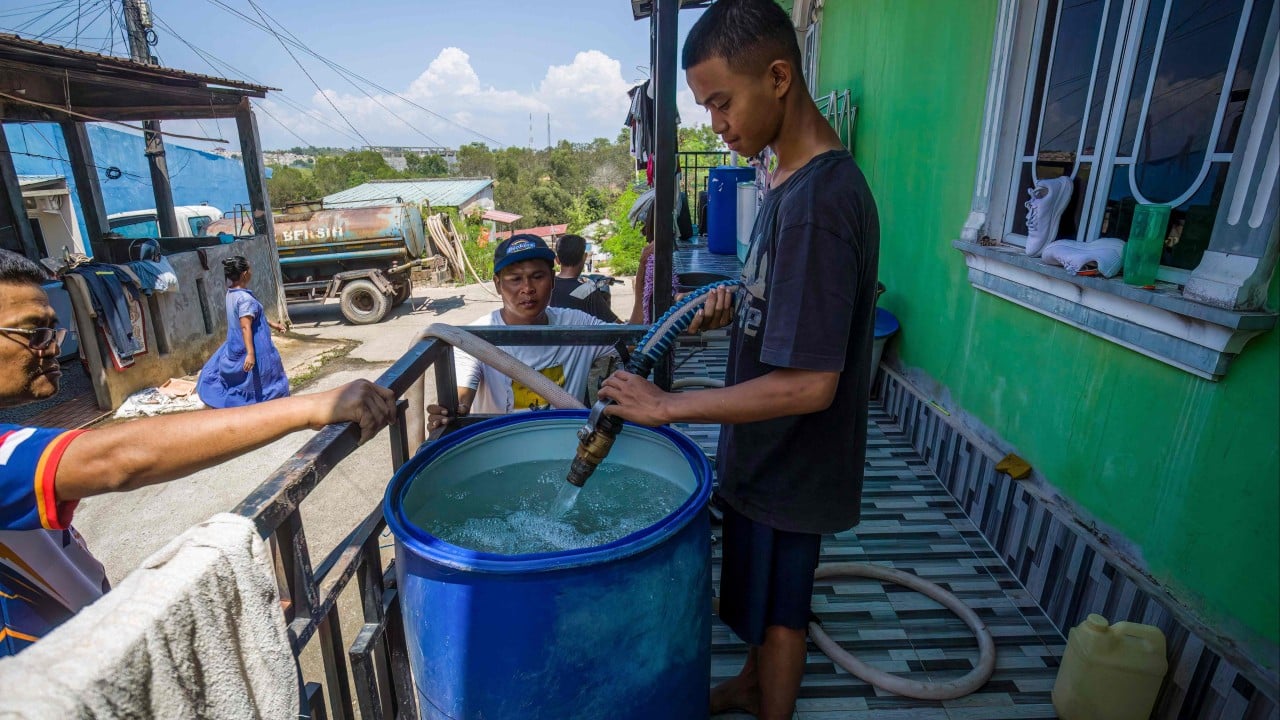
You can't cook rice without water. You can't wash dishes, clean your home, or take a proper shower when your kitchen tap coughs up air and spits out a few brownish drops. That is the harsh reality playing out on the Indonesian island of Batam, where local communities are finding themselves directly competing with the global artificial intelligence boom for every last drop of fresh water.
When massive server hubs and tech facilities first started breaking ground across Batam, residents welcomed the incoming capital. Jobs were promised. Economic growth seemed guaranteed. But as long droughts dragged on and municipal pipes ran completely dry, public sentiment soured rapidly. Spontaneous protests erupted outside the gates of tech hubs like Nongsa Digital Park, with everyday citizens demanding to know why foreign-backed servers are humming along while local households struggle to boil basic meals.
The Hidden Cost of the AI Gold Rush in Southeast Asia
Batam occupies a unique geographic position. Located just an hour's ferry ride from Singapore, the island has historically acted as a spillover zone for its wealthy neighbor. Singapore placed strict limits on new data centre construction between 2019 and 2022 due to land and resource constraints. Naturally, tech investors looked across the water to Batam, pouring billions of dollars into special economic zones designed to power the next generation of cloud computing and machine learning models.
Yet, physical infrastructure rarely catches up with rapid corporate expansion. Batam has no major natural freshwater rivers or subterranean aquifers. The island's 1.3 million residents depend almost entirely on rainwater collected in six man-made reservoirs. When prolonged dry weather sets in—exacerbated by harsh El Niño cycles—those reservoirs drop fast.
Local utility operators point the finger firmly at the weather. Officials maintain that municipal shortages stem from low rainfall and local electrical faults rather than industrial greed. Industry representatives also note that major tech installations often source water through independent pipelines or alternative networks separate from residential grids.
Still, you cannot blame residents for connecting the dots. When your neighborhood tap stays bone-dry for weeks while massive cooling towers hum inside a gleaming digital park down the road, corporate assurances ring hollow.
Transparency and the Resource Divide
One of the core frustrations driving these protests is a total lack of transparency. Tech companies rarely publish exact figures regarding how many millions of gallons of water their server cooling systems consume daily. Academic experts point out that water consumption metrics are frequently guarded as proprietary trade secrets, leaving local communities completely in the dark about their actual environmental footprint.
When big tech enters developing regions, a classic resource conflict plays out. High-tech facilities require massive amounts of electricity and water to keep servers cool 24/7. Meanwhile, local families rely on the exact same municipal ecosystems for basic survival.
Governments are scrambling to catch up with the backlash. Authorities in Batam have begun instructing new data centre developers to build private desalination plants to convert seawater into usable industrial water, rather than drawing directly from the island's fragile freshwater reservoirs. Companies are also touting closed-loop water systems designed to recycle liquid internally.
Whether these policy tweaks will be implemented quickly enough to restore public trust is another story entirely. Building desalination plants takes time, capital, and complex engineering. Until those alternative supplies come online, the tension between local daily survival and global digital infrastructure will remain razor-sharp.
The lesson here is simple. You cannot scale digital infrastructure in resource-scarce regions without securing independent utility lifelines first. If tech giants want local communities to welcome the future of artificial intelligence, they need to ensure the local kitchen taps stay running.