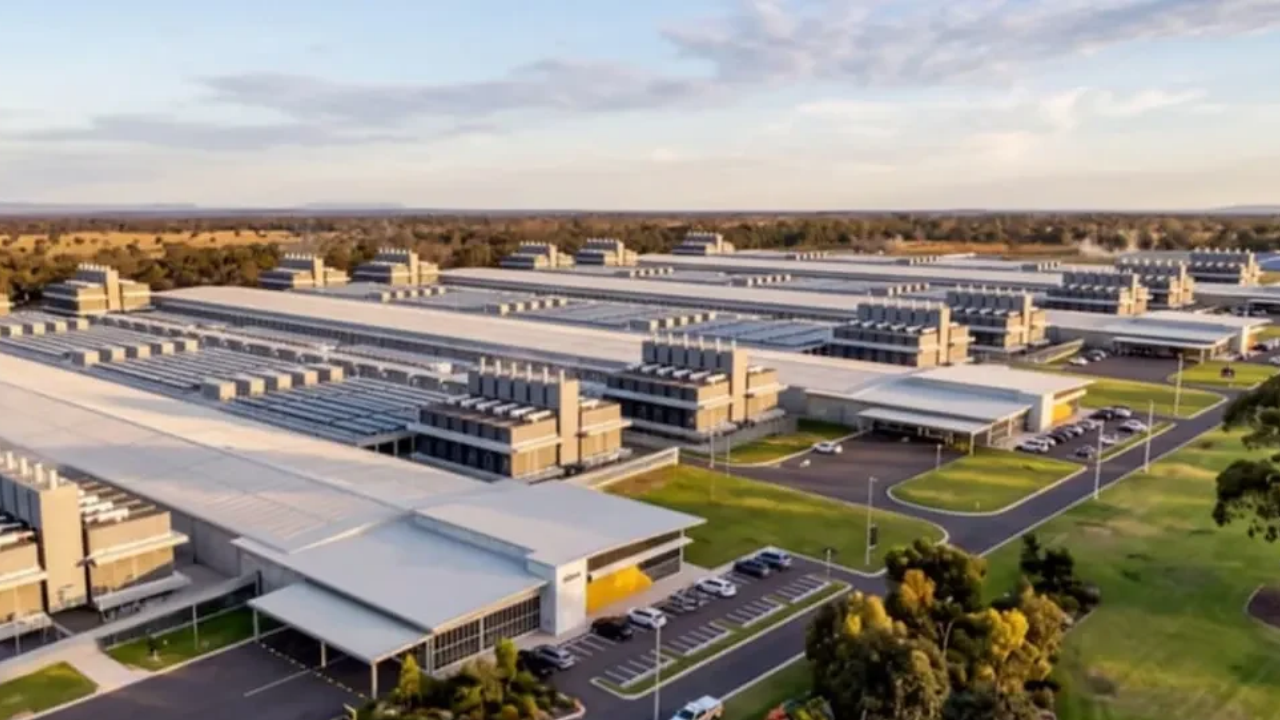
The artificial intelligence hardware arms race has officially entered its most aggressive financial chapter yet. Anthropic is reportedly offering Blackstone a double-digit yield to back a massive chip-financing deal. We aren't talking about standard venture capital or traditional software funding anymore. This is heavy-duty asset-backed debt tied directly to hardware infrastructure.
If you've been wondering how AI startups plan to sustain their astronomical compute bills without drowning in traditional bank debt, look right here. Private credit is stepping into the vacuum, and the price of compute is setting a brand-new benchmark for risk and return in modern technology.
The Anatomy of the Blackstone Chip Deal
According to reports from the Financial Times, the structure centers on debt backed by long-term lease payments spanning five years, totaling roughly $9 billion in hardware commitments. Anthropic needs massive clusters of specialized processors to train and run their large language models. Buying them outright drains liquidity fast. Leasing them through structured finance lets them scale while spreading out the capital expenditure.
Blackstone, acting as a titan of private credit and alternative asset management, sits in prime position to demand high returns. A double-digit yield isn't standard corporate borrowing territory. It reflects the immense risk of funding hardware that can depreciate or become obsolete at lightning speed. Yet, the heavy demand for AI processing power makes lenders willing to bite, provided the price is right.
Why Private Credit Is Funding the AI Boom
Venture capital funds alone cannot shoulder the staggering capital requirements of modern machine learning infrastructure. Training cutting-edge models requires billions of dollars in specialized silicon. Traditional banks often hesitate to back companies with unproven hardware exit strategies or shifting revenue models.
Enter private credit funds. They operate with fewer regulatory constraints than traditional commercial lenders and hunt aggressively for yield. By offering double-digit returns backed by hard assets like data center equipment and chips, companies like Anthropic unlock pools of capital that dwarf traditional tech rounds.
- Asset Backing: Lenders hold legal claims over physical hardware or guaranteed lease cash flows.
- Speed to Capital: Private credit can close massive institutional deals much faster than public debt markets.
- Flexibility: Covenants can be tailored specifically around the unpredictable revenue cycles of high-growth tech firms.
The Depreciation Trap and Obsolescence Risk
Every investor looking at chip-financing deals must ask a hard question. What happens when these chips become obsolete in three years? Moore's law and relentless architectural innovation mean today's state-of-the-art processors face rapid devaluation.
When a company borrows against hardware, the underlying collateral loses value fast. If Anthropic or similar firms hit a rough patch, lenders holding five-year lease-backed debt could find themselves sitting on depreciated silicon that fails to cover the principal. That explains the double-digit yield requirement. Blackstone isn't taking that risk for standard market rates. They demand a substantial premium to offset the inherent shelf-life volatility of advanced AI hardware.
What This Means for the Rest of the Tech Industry
Smaller artificial intelligence startups are going to feel the squeeze. If well-funded giants like Anthropic must pay double-digit yields to secure massive hardware leases, bootstrapping an AI enterprise becomes nearly impossible. Hardware-heavy innovation remains an exclusive playground for companies capable of generating immense revenue or locking down elite institutional credit partners.
Expect more private credit funds to spin up dedicated technology infrastructure desks. Wall Street smells blood and opportunity in equal measure. The line between traditional finance and Silicon Valley has completely vanished.
Take a close look at your own capital strategy if you operate in the space. Relying purely on equity dilution is dead. You need asset-backed thinking, structured lease agreements, and an intimate understanding of how institutional credit markets evaluate hardware risk. The future belongs to those who master the boring mechanics of debt financing just as well as they master neural network architecture.