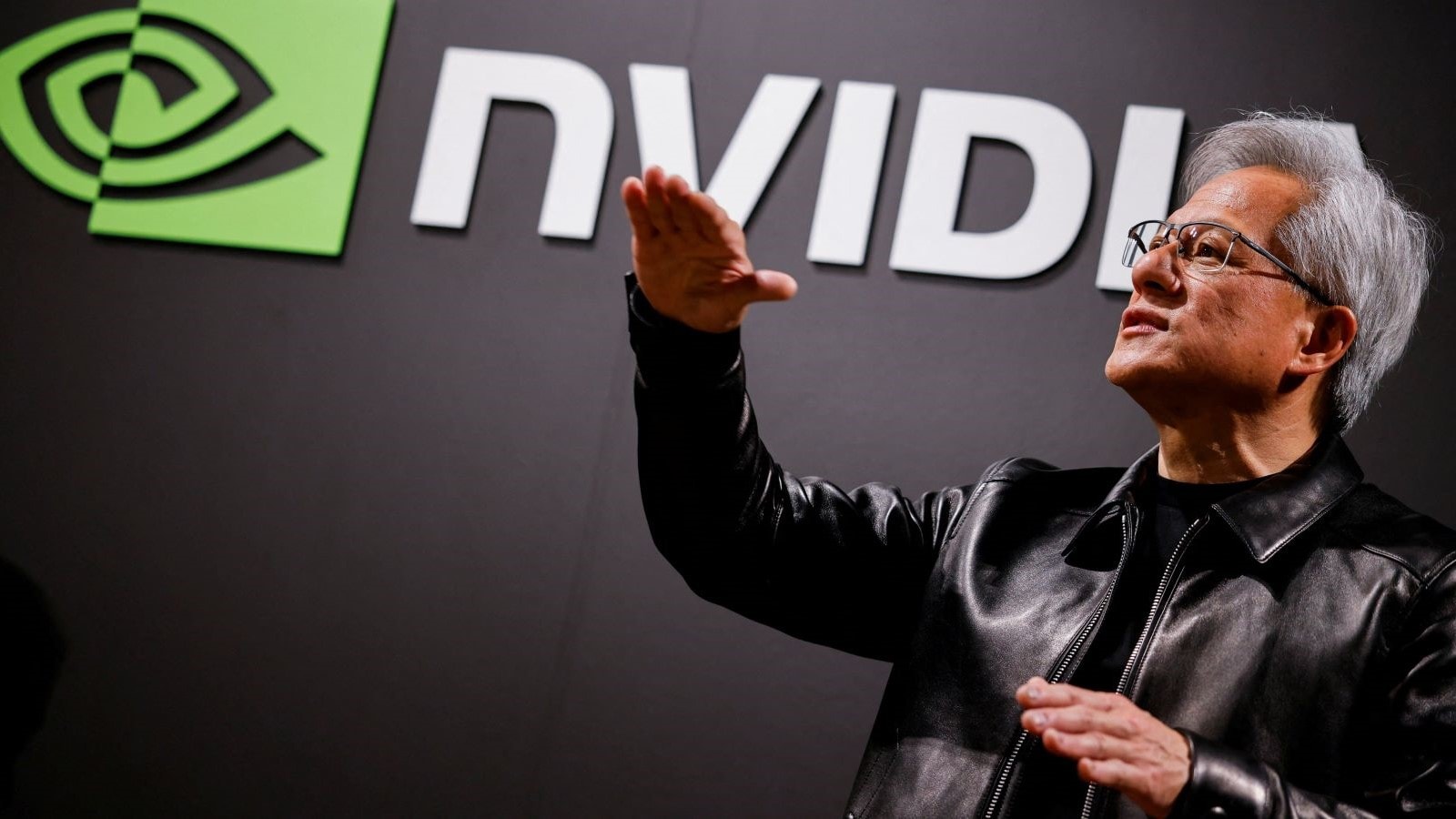
For over thirty years, Jensen Huang hasn't just run Nvidia; he has basically been the architecture of the modern artificial intelligence boom. When a single leader builds a graphics-card startup into a multi-trillion-dollar titan, the company develops a massive blind spot. Nvidia has never published a formal succession plan. Now, with board pressures and sudden leadership scrutiny hitting the headlines, Wall Street is frantically asking a brutal question: who actually takes over when Huang steps away?
Finding a replacement for a founder who treats sixty executives as direct reports isn't like hiring a standard corporate chief executive. You aren't just filling an open seat; you're trying to find someone who can match an obsessive engineering mindset, intense market intuition, and deep technological foresight. Because Nvidia ignored succession logistics for decades, the search for a successor turns into an improvised scramble.
The Immediate Financial Anchor
If the board needs a steady hand overnight, the most logical internal choice is Chief Financial Officer Colette Kress. Having managed Nvidia's finances through its explosive, hardware-driven scaling since 2013, she knows the balance sheets and supply chains better than almost anyone.
Tech boards frequently turn to finance chiefs as emergency interim leaders when founders leave abruptly. It happened at other major corporations under sudden duress. Kress provides immediate stability and calms investor panic during a transition. Yet running the financial engines of an AI giant isn't the same as driving its technological vision. Transitioning a CFO into a permanent visionary role rarely works without friction in a hyper-competitive hardware market.
The Technical Heavyweights Behind the Chips
Nvidia thrives because of its software dominance, specifically the CUDA ecosystem that locked developers into its hardware. That ecosystem didn't appear by accident; it was engineered from the ground up by veterans who understand parallel computing at a fundamental level.
Ian Buck, the mastermind behind CUDA and current leader of data center products, sits high on any realistic internal shortlist. He speaks the technical language that hyperscalers and cloud providers demand. Similarly, Bryan Catanzaro, who heads applied deep learning research, carries immense technical credibility inside the R&D labs.
The catch with promoting pure technologists is operational scale. Managing multi-billion-dollar supply chains, geopolitical trade restrictions, and massive global partnerships requires a different toolkit than writing breakthroughs for deep learning architectures.
The External Fantasy Versus Reality
When outside analysts dream up ideal scenarios, they point toward industry alumni or rival executives. People mention Rene Haas running Arm, or external semiconductor leaders like Lisa Su. These names sound great on paper because they possess proven executive weight in the silicon industry.
In reality, poaching a sitting CEO from another major tech player is an uphill battle filled with legal hurdles, astronomical compensation packages, and cultural clashes. Nvidia's internal culture is notoriously intense, deeply tied to Huang's personal management style. An outsider might struggle to command the same level of absolute loyalty from an engineering corps that grew up worshipping the current founder.
The Family Question
Whenever a founder-led tech titan faces governance questions, attention inevitably drifts toward family members inside the organization. Huang's children, Madison and Spencer, hold product and marketing roles within the company, while his son-in-law occupies a prominent vice president role managing global AI infrastructure growth.
Huang has been direct about the topic in past interviews, stating that running Nvidia is an immense burden he wouldn't wish on his children, and noting that anyone stepping into those shoes has to earn it through grueling sacrifice. While their presence fuels endless corporate gossip, neither holds the formal executive backing required to take over tomorrow.
Why Key-Person Risk Always Wins
The core vulnerability at Nvidia isn't a lack of smart people. The problem is extreme centralization. Huang famously keeps dozens of direct reports and makes rapid tactical decisions without bureaucratic layers. That agility fueled Nvidia's rise, but it left the bench untested in autonomous leadership.
When a company relies this heavily on one charismatic architect, any sudden exit triggers a severe identity crisis. Fixing this requires more than naming an interim boss or scrambling through executive search firms. Nvidia has to institutionalize Huang's strategic risk-taking before the market forces the issue for them.


