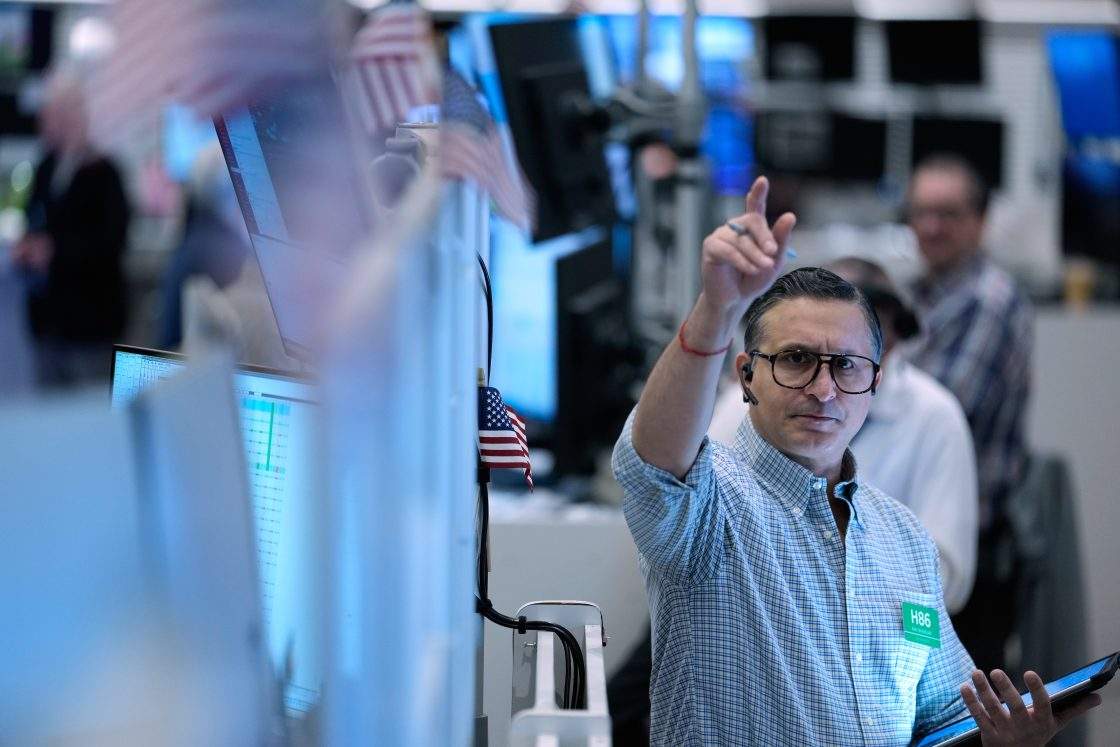
Wall Street just witnessed something entirely unprecedented. Anthropic priced its initial public offering at $83 per share, comfortably beating initial estimates and catapulting the artificial intelligence lab to a staggering $1.5 trillion valuation. Let that sink in. A company born out of safety research disagreements a few short years ago just orchestrated the biggest market debut in history, blowing past SpaceX's previous record.
If you are wondering whether we are living through a financial fever dream or the dawn of a new industrial age, you are not alone.
The Numbers Behind the Monster Debut
Let's look at what actually happened. Anthropic and its selling stockholders unloaded 980 million shares of Class A common stock, hauling in roughly $81.3 billion. The target price range was originally floated between $70 and $78, but institutional demand proved insatiable. Investors threw caution to the wind, pushing the pricing to $83.
This brings the San Francisco-based firm into rare corporate air. At a $1.5 trillion market cap, Anthropic sits right behind Tesla as the twelfth-largest company in the world. Revenue figures explain part of the frenzy. In the first nine months alone, the company pulled in $33.24 billion—a jaw-dropping 1,206 percent increase year-over-year.
Yet, numbers this large obscure the gritty reality of how the business actually operates. Unlike legacy tech giants that own sprawling physical server farms, Anthropic has historically rented its heavy computational horsepower. They are locked into roughly $450 billion in long-term compute commitments stretching toward 2030. That is an astronomical burn rate, and it requires constant, massive capital injections to sustain.
Why Wall Street Ignored the Warning Signs
Skeptics had plenty of ammunition heading into this debut. Tech stocks have taken a brutal beating lately. Recent market turbulence, panic-driven sell-offs, and jitters over data center carbon footprints have made investors jittery. OpenAI is sitting on the sidelines until next year, and corporate clients are increasingly experimenting with open-weight models to cut costs.
So why did the IPO explode?
Momentum, pure and simple. Products like Claude 3.5 Sonnet proved that Anthropic could capture enterprise loyalty. Wall Street has decided that artificial intelligence infrastructure is a gold rush you simply cannot afford to miss. Even with whispers of an AI bubble echoing the dot-com era, institutional buyers wanted a piece of the pure-play AI action. They swallowed the risks whole.
The Governance Quirk That Has Insiders Sweating
There is another angle most casual observers miss. Anthropic is organized as a public benefit corporation. Its board has a strict legal obligation to balance public safety against raw shareholder profit.
Furthermore, the ownership structure includes unique setups like the founders' collective influence and special shares. Buyers on the open market are getting voting rights, but those votes cap out at under half of the total available power. You can buy the stock, but you cannot dictate the mission. If the leadership decides to slow down development due to existential safety concerns—something CEO Dario Amodei has publicly advocated for—shareholders have very little legal leverage to force a speed-up.
That tension makes Anthropic a deeply unconventional stock. You are investing in a trillion-dollar engine driven as much by philosophical guardrails as by commercial greed.
What Happens Next
Expect whiplash. Stocks carrying this much hype rarely drift sideways on day one. Volatility will be brutal as retail traders pile in and early institutional backers navigate their lock-up periods.
If you are looking at your portfolio trying to figure out if you should chase the ticker symbol ANT, take a breath. Mega-IPO pops often burn latecomers. Watch how the trading settles over the next few weeks. Pay attention to actual enterprise retention rates against rivals like OpenAI and Meta. Strip away the trillion-dollar headlines, and you are left with a high-stakes bet on whether software can actually outpace its own infrastructure costs.