For decades, global multinational corporations treated India as a giant warehouse with a massive population to sell cars, appliances, and software to. You walk into any major corporate boardroom in Frankfurt or Stuttgart from twenty years ago, and the conversation was strictly about market entry and consumer demographics.
That script has flipped entirely.
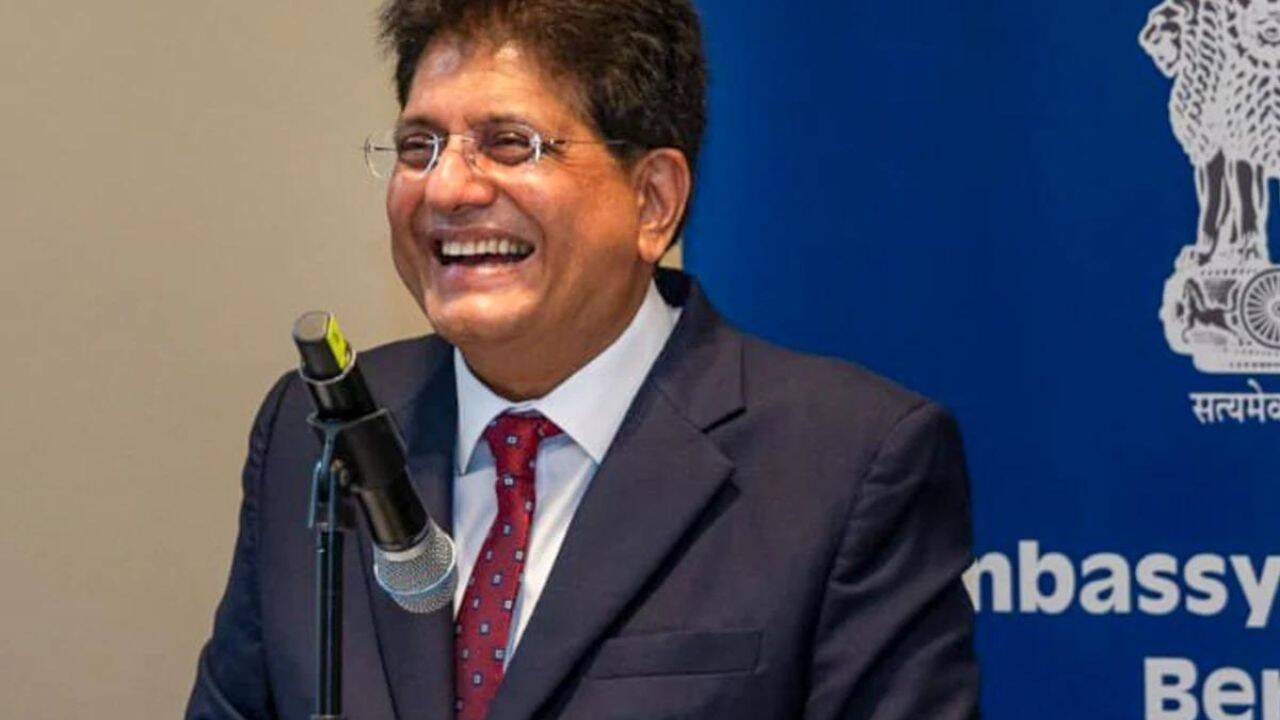
Walk through industrial clusters in Pune or tech parks in Bengaluru right now, and you'll notice European industrial titans aren't just selling here—they are building here. Commerce and industry minister Piyush Goyal recently wrapped up a high-profile visit meeting executives from Siemens, Volkswagen, Skoda, and Bertelsmann. The core takeaway from these boardrooms is impossible to ignore: German firms no longer view India as a mere target audience. They treat the nation as an equal partner for heavy manufacturing, core research and development, and advanced global capability centres.
If you are tracking where global supply chains are heading, understanding this strategic pivot matters immensely.
The Real Drivers Behind the German Manufacturing Migration
Let's be honest about why this shift is happening. It's not out of pure goodwill or sudden romanticism about South Asian growth. European heavy industry faces a brutal crunch regarding operating expenses, energy costs, and the absolute necessity to stay competitive against aggressive global players.
When your home market runs on expensive power and strict operational ceilings, you look elsewhere. India offers a rare mix that few other geographies can match at scale. We are talking about millions of engineering graduates entering the workforce annually, paired with an established ecosystem of global capability centres—over 2,100 of them currently operating across the country.
German executive leadership isn't just setting up assembly lines to dodge tariffs. They are anchoring complex engineering, product design, and software architecture right where the talent pool is expanding. Companies like Siemens and Volkswagen aren't dipping their toes in anymore; many are laying out blueprints to double or triple their operational capacity over the next few years.
The India-EU Free Trade Agreement Factor
You can't talk about this industrial migration without looking at the impending trade architecture. Negotiations for the long-awaited India-European Union Free Trade Agreement wrapped up earlier this year, and the pact is on track to be finalized and implemented soon.
This deal changes the math for cross-border commerce. For German industrial firms, lowering tariff barriers means smoother supply chains between European component factories and Indian manufacturing floors. It transforms the subcontinent from an isolated regional hub into a viable export springboard reaching the Middle East, Africa, and Southeast Asia.
Of course, friction points remain. Trade discussions aren't all smooth handshakes. Debates over climate policies and the European Union's carbon border adjustment mechanism have sparked intense policy friction. When officials spar over historical carbon emissions and the speed of green transitions, it highlights the complex geopolitical tightrope underpinning these massive trade deals. Yet, despite policy disagreements in Berlin or Brussels, corporate boardrooms keep writing checks and expanding footprints in India anyway. Business momentum often moves faster than diplomatic consensus.
What This Means for Local Innovation and Jobs
The narrative around outsourcing has evolved past low-cost coding and basic customer support desks. Today, German firms are shifting high-end R&D mandates to Indian soil. Co-creation, co-design, and joint manufacturing are the new buzzwords actually backed by real capital expenditure.
When a German automotive giant designs a vehicle architecture or a medical technology firm builds diagnostics hardware in India for global markets, it validates local engineering capability in a profound way. It means the talent sitting in Bengaluru or Chennai isn't just executing tasks handed down from European headquarters—they are authoring the intellectual property.
If you are an engineer, a supply chain strategist, or an investor watching these trends, the playbook is clear. The traditional walls separating Western tech creators and Eastern executioners are crumbling.
Map your career moves and investment strategies around this reality. Look closely at component manufacturing ecosystems, green hydrogen initiatives, and specialized research clusters. The partnership between German engineering precision and Indian industrial scale is rewriting the rules of global commerce, and it is happening right now.