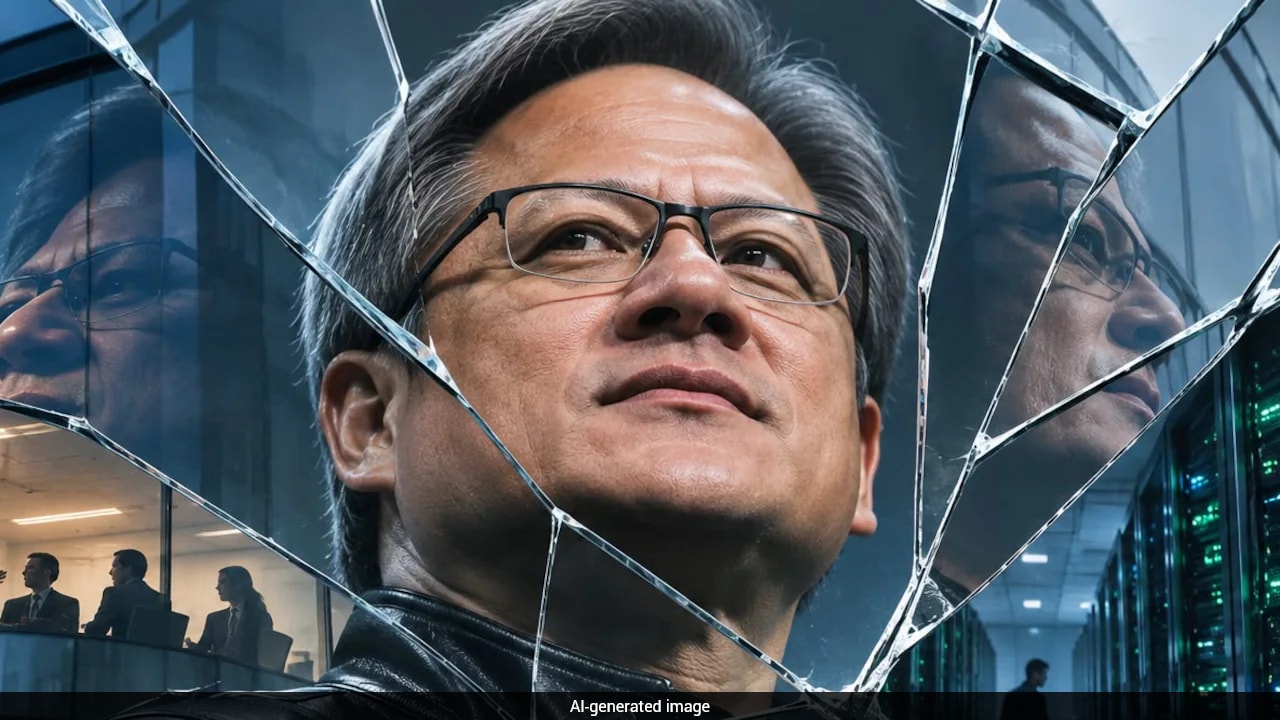
We built tech founders into rock stars and then acted shocked when the spotlight blinded them. When corporate leadership transforms into a personality cult, governance dies a quiet death. The recent fallout surrounding Nvidia and Jensen Huang proves that tying a multi-trillion-dollar enterprise entirely to one charismatic figure is a structural hazard.
For years, the market
Why the Jensen Huang Obsession Exposes Everything Broken About Celebrity CEOs
business
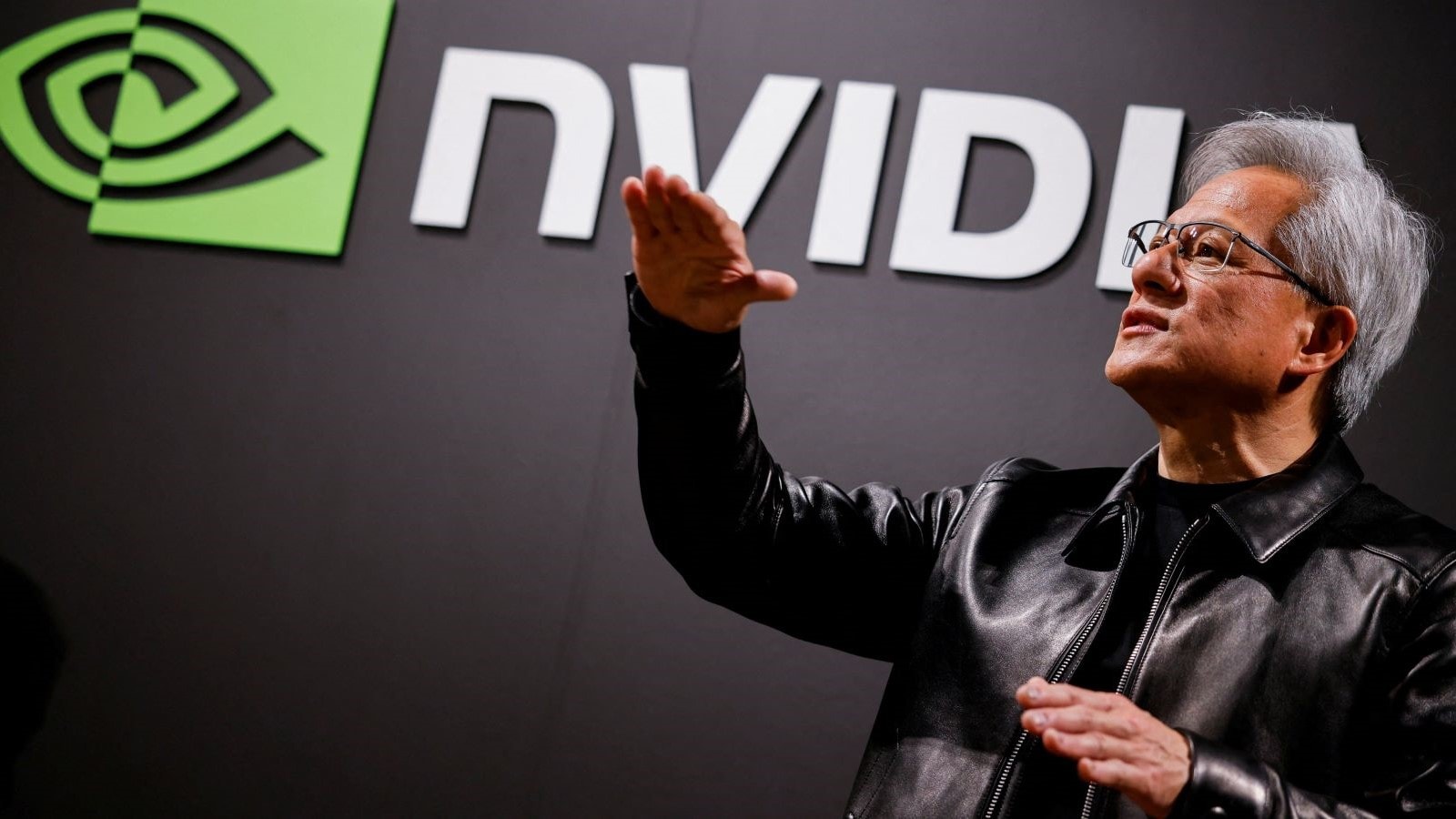
Leather jackets, casual keynote appearances, and tech forums packed like rock concerts. NVIDIA chief executive Jensen Huang stopped being just an enterprise boss a long time ago. He became an icon. But when fame reaches a certain threshold, the spotlight stops illuminating the business and starts burning it. Recent public scrutiny surrounding high-profile technology leaders reveals a systemic vulnerability in modern corporate governance. When a company's entire identity fuses with a single human being, shareholders inherit a massive, unhedged risk.
You don't have to look hard to see how this script plays out. For years, markets rewarded personality-driven leadership. Visionary founders who cultivated cult followings drove valuations sky-high. Yet, public adoration is fickle. A single off-hand remark, a misinterpreted policy decision, or an unexpected market shift can turn a beloved visionary into a lightning rod for criticism. When the leader becomes the brand, any turbulence at the top instantly destabilizes the entire enterprise.
The Myth of the Untouchable Founder
We love heroes. The media loves a simple narrative of a solitary genius steering a corporate titan toward destiny. It sells magazines, generates clicks, and makes for compelling television. Reality is vastly messier. No single human builds a trillion-dollar semiconductor ecosystem alone. Thousands of engineers, supply chain managers, and software architects execute the actual heavy lifting behind every breakthrough product.
When CEOs accept the rockstar mantle, they often lean into the myth. They become symbols of inevitability. This dynamic creates a dangerous echo chamber. Boards hesitate to challenge a celebrity CEO because their personal brand drives short-term market momentum. Employees feel discouraged from raising internal warnings because the leader's vision is treated as infallible scripture.
History offers clear warnings. Think back to past tech icons whose personal friction points overshadowed their technical achievements. When a leader's public persona eclipses operational reality, governance fails. Accountability vanishes. The board room transforms from a rigorous check on executive power into a fan club.
The Valuation Trap
Markets hate uncertainty, but they love a good story. Celebrity CEOs provide a narrative hook that keeps stock prices insulated during bumpy quarters. Investors buy the person just as much as they buy the stock.
This creates a terrifying structural fragility. If Jensen Huang or any other titan of industry catches a cold, the market sneezes. Share prices react violently to personal headlines, health rumors, or cultural controversies that have zero direct impact on quarterly cash flow or manufacturing capacity.
Smart investors know this game is rigged. Relying on an individual's charisma to justify a massive enterprise valuation is like building a skyscraper on a fault line. It might stand tall for years, but the collapse is catastrophic when the ground shifts. True corporate strength lives in institutional process, redundant leadership, and corporate culture that survives the departure of any single personality.
Moving Past the Cult of Personality
Fixing this dynamic requires a shift in how we evaluate leadership. We need to stop rewarding founders who crave celebrity status and start demanding operational transparency.
Boards must reclaim their authority. They have to separate executive compensation and performance metrics from media popularity contests. If an executive spends more time on red carpets and international media tours than reviewing engineering pipelines, that's a red flag, not a badge of honor.
Investors also bear responsibility. Stop buying the myth. Look past the charismatic keynote speeches and examine balance sheets, supply chain resilience, and talent retention rates. The most successful long-term enterprises operate smoothly even when nobody is watching the person at the helm.
The next time you see a tech leader trending across social media feeds, take a step back. Ask yourself what the noise is actually masking. Real innovation doesn't need a stadium tour. It just needs execution.