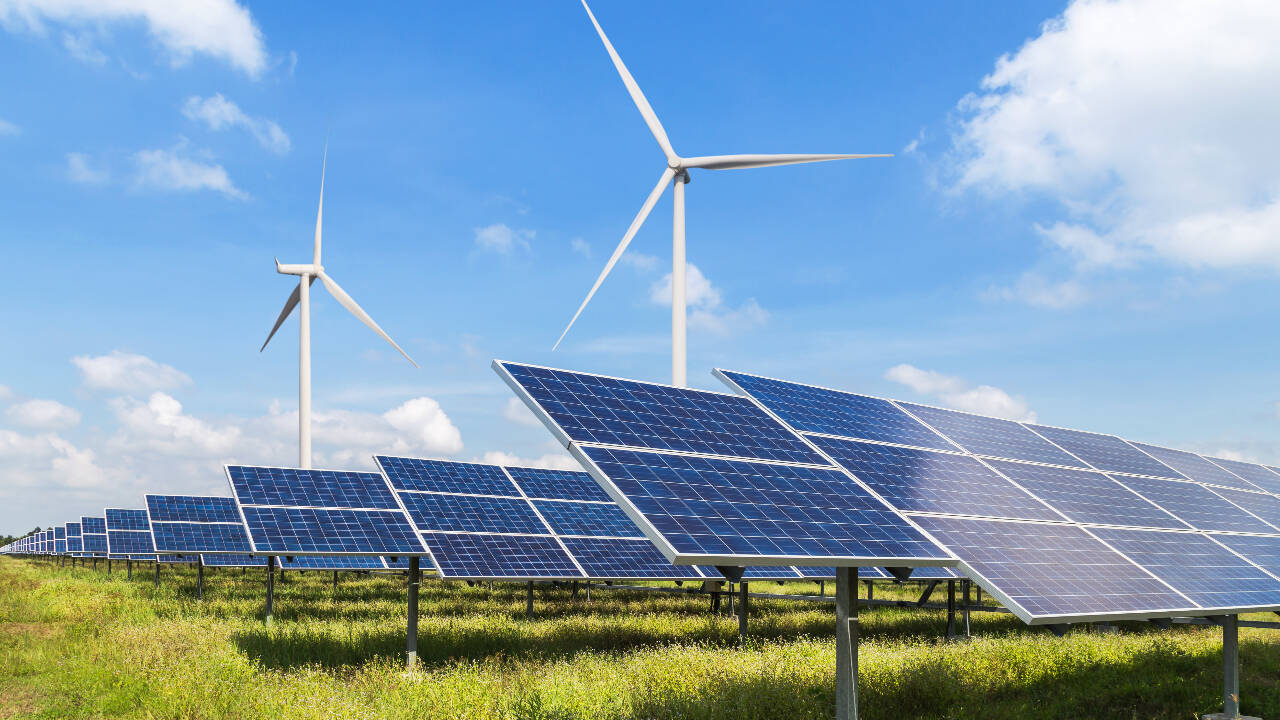
Traditional ranching margins are razor thin. If you rely solely on sparse grass and unpredictable cattle markets to pay the bills, you are one bad drought away from a crisis. Greg Kesler knew this reality better than anyone. Operating a multi-generational livestock and horse operation in Millard County, Utah, he faced the same economic squeeze hitting agricultural families across the West.
Then he looked at 1,100 acres of low-yield land on his Double Dollar Ranch and made a radical pivot. Instead of forcing cattle onto sparse scrub, he leased those unproductive acres to solar developers. Today, electricity generation brings in more reliable income than any traditional agricultural use on that acreage.
It is a blueprint that is reshaping how rural landowners view their own property. But it is also sparking intense debate over the future of American agriculture.
The Reality of Low Yield Land
Most people assume every acre of a ranch is actively pulling its weight. That is a myth. Large swaths of western ranch land consist of rocky, dry soil where grass barely clings to life. Pumping water into these areas for feed is often economically unviable.
For years, ranchers absorb these losses as the cost of doing business. Kesler changed his perspective after spotting solar infrastructure while working in Hawaii. He realized his Utah property had distinct physical advantages. The ranch sat close to an existing transmission line and a major substation.
Without those grid connections, utility-scale solar projects are dead in the water. Proximity to transmission infrastructure is basically the holy grail for renewable energy developers. Because his Double Dollar Ranch checked those critical boxes, barren dirt transformed into a prime asset.
How Agrivoltaics Solves the Grazing Dilemma
Critics of rural solar expansion often point out a valid fear: once you cover dirt with photovoltaic panels, you lose agricultural production. But modern projects rarely operate as sterile industrial zones anymore.
Take the Clover Creek solar project nearby in Juab County. Spanning a massive footprint with over 200,000 panels producing 80 megawatts, the facility looks purely industrial from Interstate 15. Look closer during the growing season, though, and you will see hundreds of sheep grazing right beneath the arrays.
This practice, known as agrivoltaics, solves two problems at once. The panels provide shade that helps retain soil moisture, allowing grass to thrive where it otherwise would not. Meanwhile, the livestock naturally manage the vegetation, eliminating the need for heavy chemical weed control or constant mowing by landscaping crews.
Kesler’s approach proves that energy production and livestock can coexist. The steady lease checks from the solar developers didn't replace his cattle and horse business—they funded its expansion. Over the past decade, his family ranch has more than doubled in size because he had a reliable secondary revenue stream buffering against livestock price crashes.
Beyond the Ranch Gate
The financial impact of utility-scale solar extends far beyond the landowner's bank account. Rural counties and school districts depend heavily on property taxes to fund basic infrastructure. Traditional grazing land contributes very little tax revenue compared to commercial energy facilities.
In Juab County, the Clover Creek installation has pumped over $1.03 million in property taxes into the local economy since coming online in 2021. Roughly half of that money flows directly into the Juab School District.
Rural schools rarely swim in cash. That tax influx allowed the district to accelerate purchases of advanced technology like 3D printers and robotics equipment, while upgrading computers and backing local student programs. Over the projected 20-year lifespan of the facility, local tax coffers are expected to collect roughly $5.7 million.
The Backlash and Legislative Pushback
Not everyone is celebrating the solar gold rush. Utah lawmakers recently targeted the trend during a legislative session, approving measures to restrict tax incentives for solar projects built specifically on productive agricultural property.
The rationale is clear. State leaders want to protect high-yield farmland from being paved over with silicon and steel, ensuring food security takes priority.
Landowners like Kesler draw a sharp line here. There is a massive difference between converting fertile, irrigated crop circles into energy plants and leasing rocky, low-yield scrubland that barely supports a cow. Restricting property rights across the board penalizes ranchers who are simply trying to keep multi-generational family businesses alive in tough economic climates.
What This Means for Modern Landowners
If you own rural land, the playbook is changing. Relying on a single revenue stream is a massive risk.
You need to evaluate your property with ruthless objectivity. Which acres actually generate profit, and which ones just cost you in property taxes and maintenance? If you sit near existing transmission lines or substations, alternative energy leasing deserves a hard look.
The next generation of ranching families isn't just about cowboy boots and barbed wire. Landon Kesler, Greg's son, built a thriving secondary business maintaining solar arrays on their own land and servicing other projects across the region. Diversification is no longer optional if you want to survive.
The cattle and horses aren't going anywhere on the Double Dollar Ranch. But the electricity flowing off those 1,100 acres ensures the family legacy will outlast the next agricultural downturn.
Take a realistic look at your own assets, identify your grid proximity, and stop treating low-yield acreage as dead weight.