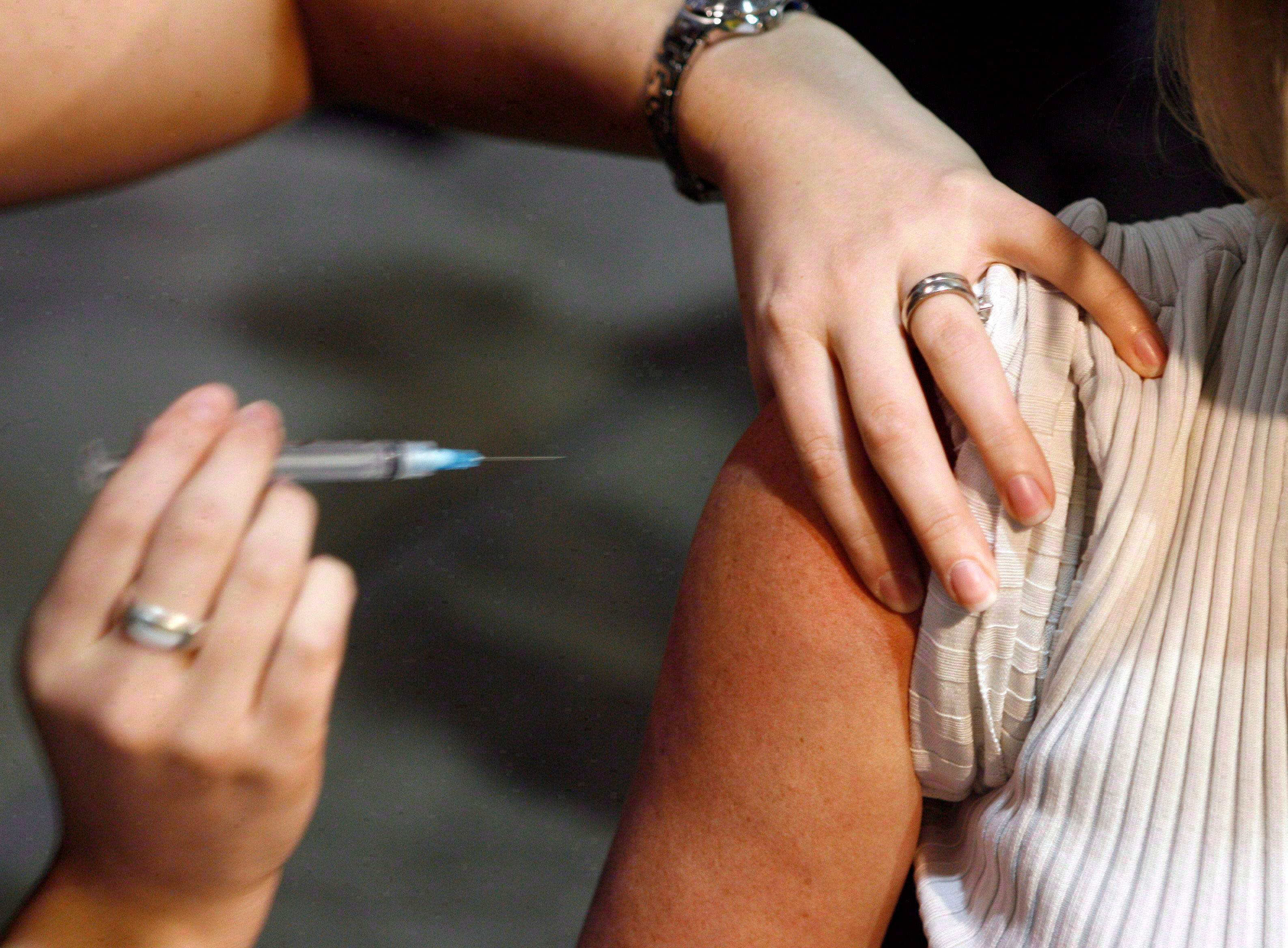
Flu cases are surging way ahead of schedule. If you think you've missed your window to roll up your sleeve, you are completely wrong.
Recent Health Canada data shows that influenza test positivity rates nearly doubled over a compressed three-week window, climbing past 13 percent nationwide. In regions like Alberta, British Columbia, and the Yukon, test positivity rates have spiked even higher, pushing past 20 percent in several areas. The dominant circulating strain is Influenza A H1N1, and it's hitting older adults and young children hardest. Hospitalization rates are already ticking upward as emergency rooms brace for a heavy winter.
Yet, despite the early arrival, public vaccination rates are dismal. Only about 21 percent of adults without chronic medical conditions have bothered to get their shots this season, down significantly from previous years. People assume that because winter hasn't officially peaked or because Halloween has passed, the vaccine window has slammed shut.
That mindset is dangerous and wrong.
The Myth of the Closing Vaccine Window
Most people think of the flu shot like a concert ticket with a hard expiration date. You miss the early autumn rush, you figure you are out of luck. Medical experts point out that this logic fails basic immunology.
Dr. Fahad Razak, an internal medicine physician at St. Michael's Hospital, notes that while health authorities try to align vaccine campaigns with the early weeks of autumn, viral seasons don't follow neat calendar pages. This year's wave arrived weeks earlier than historical averages, catching many clinics and patients off guard.
Even so, getting vaccinated halfway through autumn or even deep into winter provides vital protection. The human body takes about two weeks to build a robust antibody response after an injection. If influenza is currently circulating in your community, your immune system needs that defense right now. Waiting until January or skipping it entirely because you missed October leaves you completely vulnerable during the peak months of indoor transmission.
What You Need to Know About This Year's Strain Match
A common excuse floating around coffee shops and office breakrooms is that getting the shot late in the game is pointless because protection fades. Immunity does wane over several months, but protection doesn't drop to zero overnight.
Laboratory data confirms that this season's vaccine formulation is an excellent match for the dominant H1N1 strain. That match means your immune system gets a precise blueprint to fight off the active virus. If you catch the flu without a shot, your body fights blind. With the vaccine, your immune cells recognize the invader immediately, drastically reducing your risk of severe illness, ICU admission, or pneumonia.
The risk is not theoretical. Nearly half of all positive flu cases detected recently involve adults aged 65 and older. Immunocompromised individuals and young children are also filling hospital beds. If you share a home with aging parents, newborns, or anyone with underlying health issues, getting vaccinated isn't just about protecting yourself. It's about building a protective ring around the people most vulnerable to severe complications.
Practical Steps to Take Today
Stop waiting for the perfect time to get your shot. Walk into a local pharmacy or book an appointment through your public health unit this week.
If you've already had a mild cold this autumn, don't assume you're immune to the flu. They are entirely different viruses, and recovering from one leaves your respiratory system primed to catch another. Combine your flu shot with standard hygiene practices like frequent hand washing and wearing a well-fitted respirator in crowded indoor spaces if you are at high risk.
Protect yourself, protect your household, and go get your shot today.