We stare into mirrors every single morning. We adjust our hair, check our teeth, and swipe past hundreds of photos of ourselves on our phones before lunch. Yet most of us walk around with a completely distorted impression of our own faces.
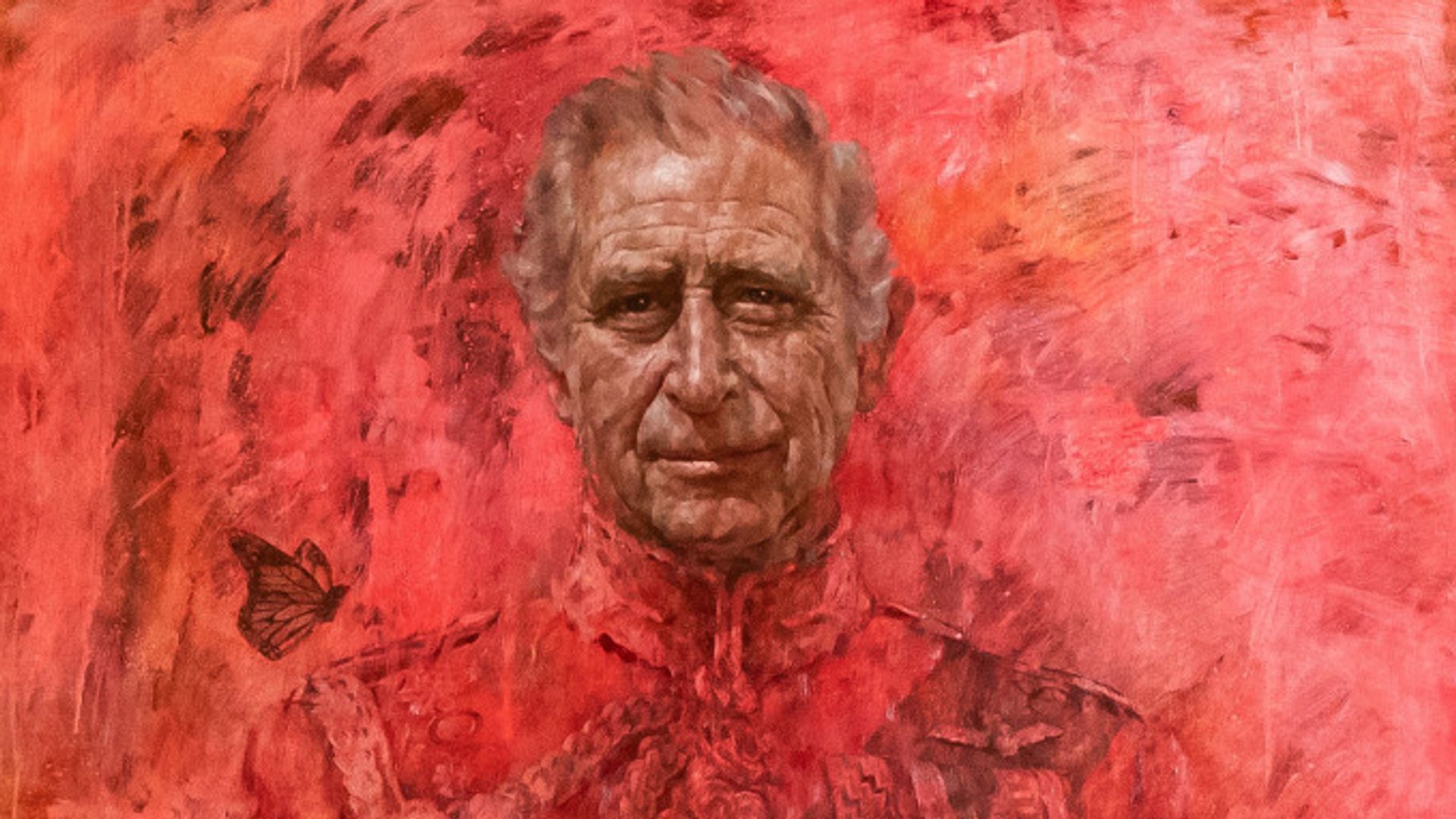
Acclaimed portrait painter Jonathan Yeo has spent decades capturing high-profile figures, including his controversial 2024 portrait of King Charles III. He notes that the sitter is almost always the worst judge of a painted portrait. Why? Because none of us truly know what we look like.
The Mirror Distortion Trap
Every time you look in a mirror, you aren't seeing reality. You are seeing a flipped version of your face.
Your brain gets so used to this reversed reflection that seeing an unreversed photograph or video often triggers a jarring sense of unease. That sudden feeling of wrongness happens because your everyday reflection is an optical illusion your brain has normalized.
Beyond the flip, psychology plays a massive trick on us. When you gaze into a mirror, you rarely stay completely still. You subconsciously micro-adjust your posture, raise your eyebrows slightly, or tilt your head to catch your best light. You see a dynamic, moving sculpture governed by your preferred expressions. A painting or a candid photo captures a single, uncooperative fraction of a second. It freezes you in a neutral state you never witness yourself.
Why Photos Feel So Uncomfortable
Most people hate seeing unexpected pictures of themselves. You might think your smile looks natural, but a camera catches the slight lag or the asymmetrical twitch in your cheek that your bathroom mirror conveniently glosses over.
We look at our faces through a heavy filter of ego and familiarity. When a portrait artist like Yeo sits down to paint someone, they ignore the mental image the subject has spent decades cultivating. Instead, they record raw geometry, skin tones, and bone structure. That disconnect is why portraiture often feels invasive to the person being painted. It strips away the comforting mental fiction we tell ourselves about our own appearance.
The Problem With Digital Overload
We live in an era saturated with images, yet we are more visually detached from reality than ever. Phone cameras use wide-angle lenses that distort facial features, warping noses and forehead proportions depending on how close you hold the device. Add smoothing filters, lighting apps, and endless angles, and the average person spends more time looking at manipulated avatars than actual flesh and blood.
Real perception requires friction, time, and observation. Painters don't rely on a quick snap; they build a visual history over multiple sittings. They record the subtle tension in the jaw or the specific way light hits the cheekbones when you are tired, distracted, or lost in thought.
Put the phone down. Stop worrying about your best angle because the face you think you own exists only in your head. Stop obsessing over the mirror and start accepting the unpolished reality of how you move through the room.