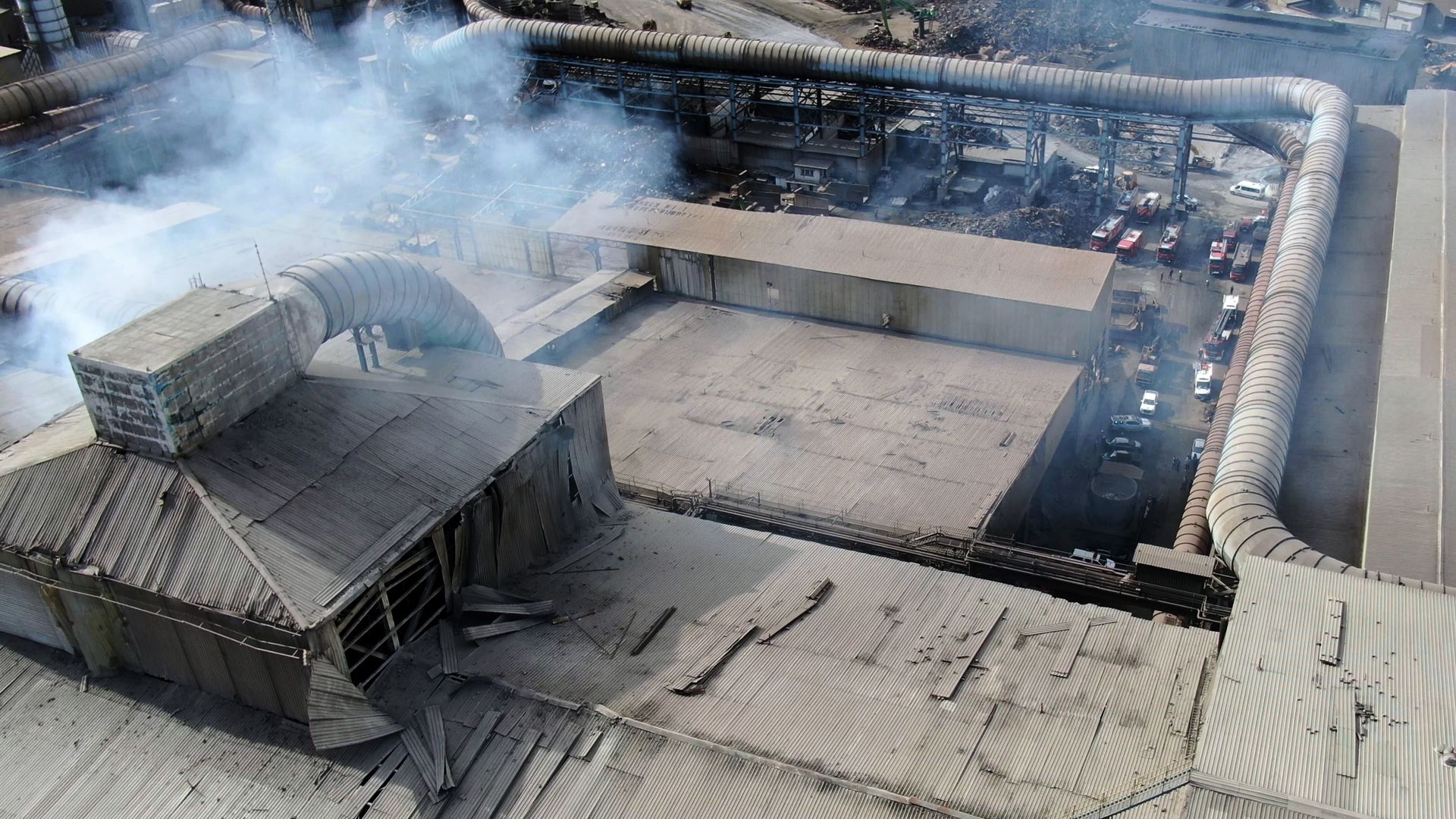
Panic spread across social media feeds after reports claimed Pakistan's massive Tarbela Dam had broken. Let’s clear that up immediately: the main dam structure is completely fine. What actually happened is far more specific and contained to the ongoing expansion work.
A protective rock mass and embankment gave way at the Tarbela Dam Fifth Extension Hydropower Project (T-5) construction site, sending a sudden surge of water rushing into the under-construction tunnel and powerhouse. While panic-inducing headlines love to scream about catastrophic dam failures, the reality on the ground points to a serious construction-site accident rather than a total structural collapse of the primary reservoir.
Anatomy of the Incident at Tunnel Five
The trouble started during routine excavation work on the second bench of the connecting tunnel for the T-5 project. Workers hit a weak section of rock mass. That geological vulnerability caused a protective barrier—often called a bund—to breach.
Water from the intake pit immediately seized the opportunity, surging violently into the tunnel and flooding nearby work zones. Videos circulating online show a dramatic wall of water tearing through construction areas, which understandably triggered widespread alarm. But engineering authorities quickly drew a hard line between a localized construction pit breach and a failure of the main dam body.
According to statements from the Pakistan Water and Power Development Authority (Wapda) and local administrative officials like Haripur Deputy Commissioner Waseem Ahmed, the core infrastructure remains secure. The main dam, the primary switchyard, and the tailrace structures escaped structural damage entirely.
Evacuation and Safety Response
When a wall of water breaches an active underground excavation site, seconds matter. Fortunately, the swift action of safety monitors prevented a massive loss of life.
All local and foreign workers stationed at the site were evacuated as the water began pouring in. Early reports confirmed that one worker was swept away by the fierce current during the initial surge, but emergency rescue teams pulled him to safety in a timely operation. Officials confirmed zero fatalities, shutting down wild rumors that had begun circulating online.
Wapda officials moved quickly to contain the crisis. Pumping and dewatering operations started almost immediately to clear the under-construction powerhouse, and officials confirmed that the intake pit water had already receded from the critical tunnels. However, authorities suspended construction work on the T-5 project indefinitely while a high-level inquiry committee investigates whether engineering oversight, geological miscalculations, or material weaknesses caused the protective bund to fail.
Why the Tarbela 5th Extension Matters
To understand why this incident drew international attention, you have to look at the sheer scale of the project. Tarbela is a cornerstone of Pakistan’s national grid.
Located on the Indus River, the existing facility already generates massive amounts of power. The T-5 extension project aims to add an impressive 1,530 megawatts of green energy capacity to the grid. Backed by heavy international financing—including hundreds of millions from the World Bank and the Asian Infrastructure Investment Bank—the project is vital for easing Pakistan's chronic energy shortages. Once fully operational, it's designed to push Tarbela's total installed capacity from 4,888 megawatts up to 6,418 megawatts.
Mega-projects of this scale always carry inherent geological risks. Excavating massive tunnels through the complex rock formations of Khyber Pakhtunkhwa requires precision engineering, and unexpected pockets of weak rock can compromise temporary cofferdams and protective earth bunds.
The Broader Fallout
Social media panic tends to outrun facts. Within hours of the barrier breach, unverified videos led many to believe the entire dam wall had given way, threatening downstream towns and villages. Local authorities pushed back hard against those rumors, noting that if the main reservoir had breached, catastrophic flooding would have swept the Indus basin instantly. Instead, the floodwaters were captured and contained within the project's own construction footprint and diversion tunnels.
Even so, the incident exposes raw vulnerabilities in project execution and safety oversight. Stakeholders, engineers, and contractors now face intense scrutiny from government inspectors. Expect a thorough audit of all temporary protective structures across the site before any dewatering efforts translate into resumed construction.
The immediate danger has passed, and the workers are safe. But the timeline for bringing Pakistan's ambitious T-5 hydropower expansion online just hit a major, expensive roadblock.