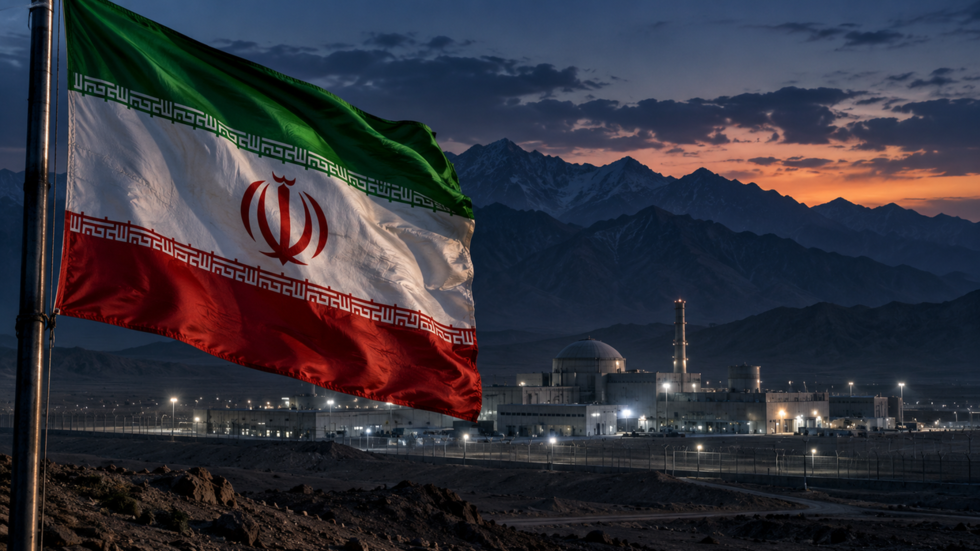
Diplomatic stalemates rarely end with fireworks. They drag on through carefully worded statements, state media broadcasts, and stubborn positioning. Tehran recently made headlines through the Iranian Students' News Agency (ISNA) by signaling that a renewed diplomatic accord with Washington isn't impossible. The catch? The United States has to abide by international law and respect prior commitments.
If you've followed geopolitical negotiations for more than five minutes, you know this rhetoric is vintage foreign policy theater. Yet, beneath the predictable posturing lies a real question about what it would actually take to revive stalled nuclear talks or stabilize the Middle East. Let's look past the press releases and break down what's really happening.
What Tehran Actually Means by Abiding by Law
When Iranian officials talk about the law, they aren't speaking abstractly. They are referring to specific grievances tied to the Joint Comprehensive Plan of Action (JCPOA) and the unilateral withdrawal by Washington years ago. From Tehran's perspective, trust was broken when sanctions snapped back into place despite international compliance reports confirming Iranian adherence to the accord at the time.
You can't expect a sovereign state to jump back to the negotiating table without guarantees that the next agreement won't evaporate the moment a new administration takes office in the White House. That's the core hurdle. Domestic political cycles in Western democracies make long-term international treaties fragile. Tehran wants binding legal assurances, while Washington faces constitutional hurdles that make treaty ratification nearly impossible without Senate approval—something neither political party is likely to secure for an Iran deal anytime soon.
The Economic Realities Driving the Talk
Sanctions haven't destroyed the Iranian economy, but they've certainly made life difficult for everyday citizens while reorienting trade routes toward neighbors and eastern partners like China and Russia. Inflation hurts. Currency devaluation hurts.
At the same time, complete isolation hasn't worked either. Tehran has managed to keep oil flowing through creative shipping maneuvers and alternative financial channels. This reality gives negotiators on both sides a weird kind of leverage. Iran isn't begging for relief from a position of total collapse, and Washington isn't facing immediate pressure to lift sanctions unless domestic inflation or regional escalation forces their hand.
When ISNA floats stories about a potential deal being within reach, it's a signal to domestic hardliners and foreign capitals alike. It says, "We aren't closed for business, but we won't negotiate under duress."
Why Washington Won't Move Easily
On the other side of the globe, US foreign policy remains paralyzed by domestic election cycles and intense congressional skepticism. Any administration attempting to ease sanctions or strike a new diplomatic framework faces immediate bipartisan backlash. Lawmakers point to regional proxies, human rights concerns, and advanced uranium enrichment levels as absolute dealbreakers.
Trust is a two-way street. Washington argues that Tehran's continued expansion of its nuclear program beyond agreed-upon limits makes diplomatic goodwill impossible. You hear Washington insiders ask a straightforward question: why reward escalation with concessions?
This creates a classic chicken-and-egg dilemma. Tehran demands sanctions relief first to prove good faith. Washington demands nuclear rollbacks first to verify compliance. Until one side blinks or external pressures shift the calculus, statements via state news agencies will remain just that—words on a screen.
What to Watch Next in the Diplomatic Chessboard
If you want to know whether a real breakthrough is happening, ignore the public statements altogether. Watch the back-channel mediators. Oman and Qatar have historically played crucial roles in passing messages between Washington and Tehran without the noise of public media.
Look for quiet prisoner swaps, unfreezing of restricted funds in third-party banks, or subtle adjustments at International Atomic Energy Agency (IAEA) monitoring sites. Those operational shifts tell you far more than any ISNA report or congressional hearing ever will.
The door to diplomacy is open a crack, but neither side is willing to walk through it without holding a heavy shield.


