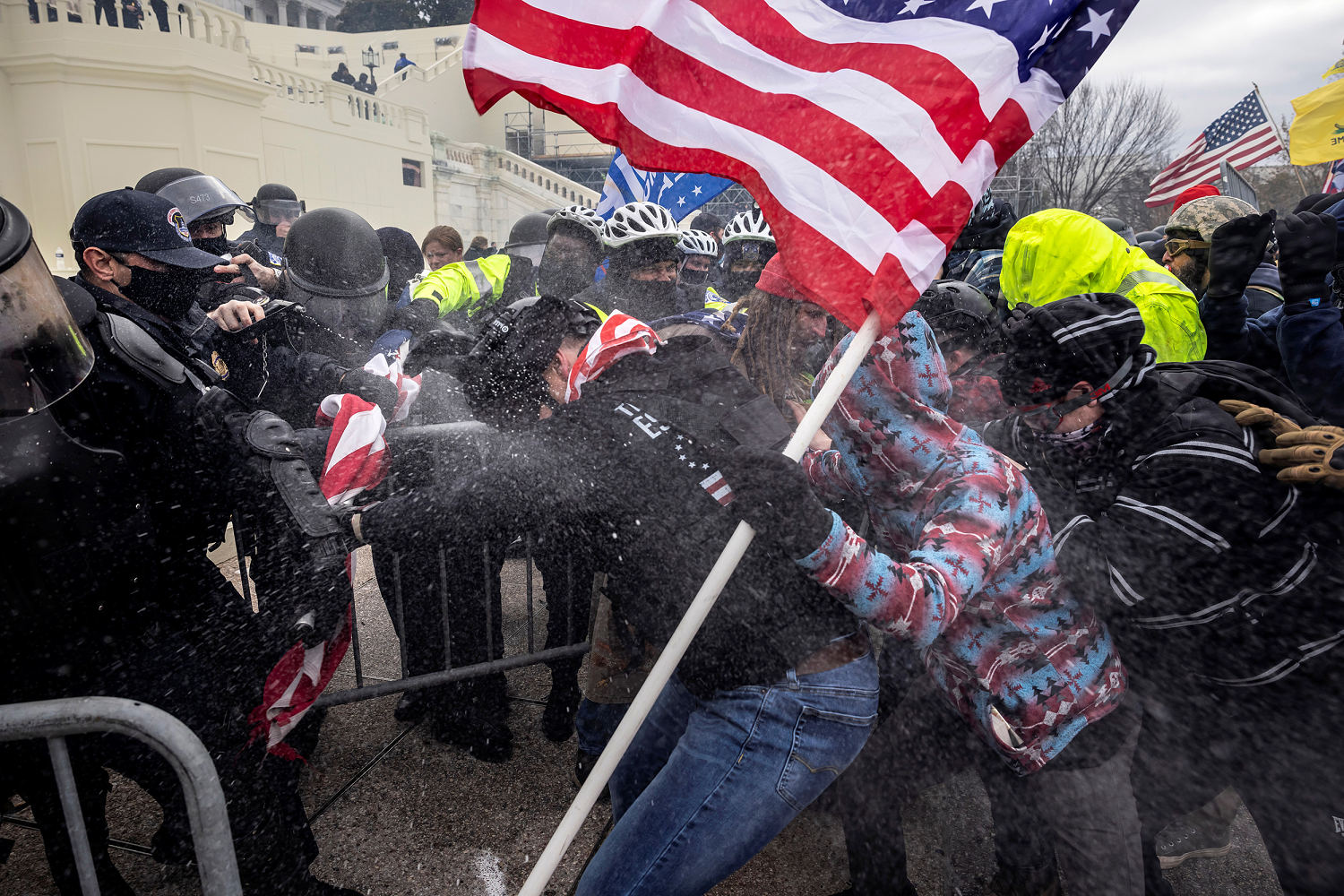
History doesn't just happen and disappear. Sometimes, it leaves a permanent scar across the national consciousness. When former President Joe Biden remarked that Donald Trump's actions surrounding the January 6, 2021 Capitol riot "should follow him to his grave," he wasn't just talking about a single afternoon of chaos. He was pointing to a permanent fracture in modern political ethics.
Love him or hate him, Trump's shadow looms larger than any other figure in contemporary politics. But why does this specific moment refuse to fade into the background? Let's look at what's actually driving the conversation.
The Weight of January 6 on Political Legacies
We like to think political scandals have an expiration date. They usually don't. The breach of the U.S. Capitol by a pro-Trump mob isn't treated like a standard policy disagreement or a typical campaign misstep. Critics view it as an institutional emergency. Supporters, on the other hand, often dismiss it or frame it through an entirely different lens.
This polarization is precisely why the event refuses to die down. When leaders like Biden use stark language about Trump's legacy, they are trying to cement a specific narrative in the history books. They want voters to see January 6 not as a protest that got out of hand, but as a deliberate challenge to the peaceful transfer of power.
Meanwhile, Trump's base shrugs off the rhetoric. They see these ongoing condemnations as partisan attacks designed to sink a political movement. That split is why the debate is as fierce today as it was years ago.
Why Politicians Write Memoirs to Score Final Points
Let's be honest about political books. Memoirs published by former presidents aren't objective historical records. They are carefully curated arguments for how the author wants to be remembered.
When Biden or any other modern executive reflects on their time in office, every sentence is calculated. Saying a rival's actions should follow them to the grave is sharp, aggressive messaging. It cuts through the noise of daily news cycles. It forces media outlets to pick up the quote, and it ensures that the defense of democratic norms remains front and center in the minds of voters.
You can't separate these statements from the electoral machine. Politics is a game of contrast. By tying a political opponent directly to the violence at the Capitol, the opposing party builds a permanent wall of opposition.
What Most People Get Wrong About Political Accountability
People often ask if public outrage over events like January 6 actually changes votes. The honest answer is: usually, no.
Voters rarely shift their allegiance based on moral appeals from opposing politicians. If you're firmly in Trump's camp, harsh words from Biden sound like sour grapes or desperate spin. If you're opposed to Trump, those same words validate your worst fears about democratic decay.
The real impact isn't about converting voters on the spot. It's about turnout and energy. Keeping high-stakes issues alive ensures that base supporters stay motivated, show up at the polls, and view elections as existential battles rather than routine choices between candidates.
The Road Ahead for American Institutions
The phrase "follow him to his grave" sounds dramatic, but it speaks to a deeper truth about modern leadership. Actions taken during constitutional crises become defining chapters.
As new generations of politicians step up, they inherit this baggage. The arguments over election integrity, institutional trust, and executive responsibility aren't going away. They are baked into the DNA of current political strategy.
If you want to understand where American politics is heading, stop looking at temporary policy debates. Look at how historical memory is weaponized. The narratives being written right now will dictate how voters make decisions for decades to come.
Take a close look at how information is framed the next time a major political figure drops a memoir or gives a high-stakes speech. Ask yourself whose interests the narrative serves. Strip away the partisan noise, and you'll see a constant struggle to define what acceptable political behavior actually looks like in a divided nation.
Biden Condemns Capitol Riot As 'An Unprecedented Assault On Our Democracy' | NBC News
This archived coverage from NBC News highlights the immediate national reaction and presidential condemnation following the events at the U.S. Capitol on January 6, 2021.