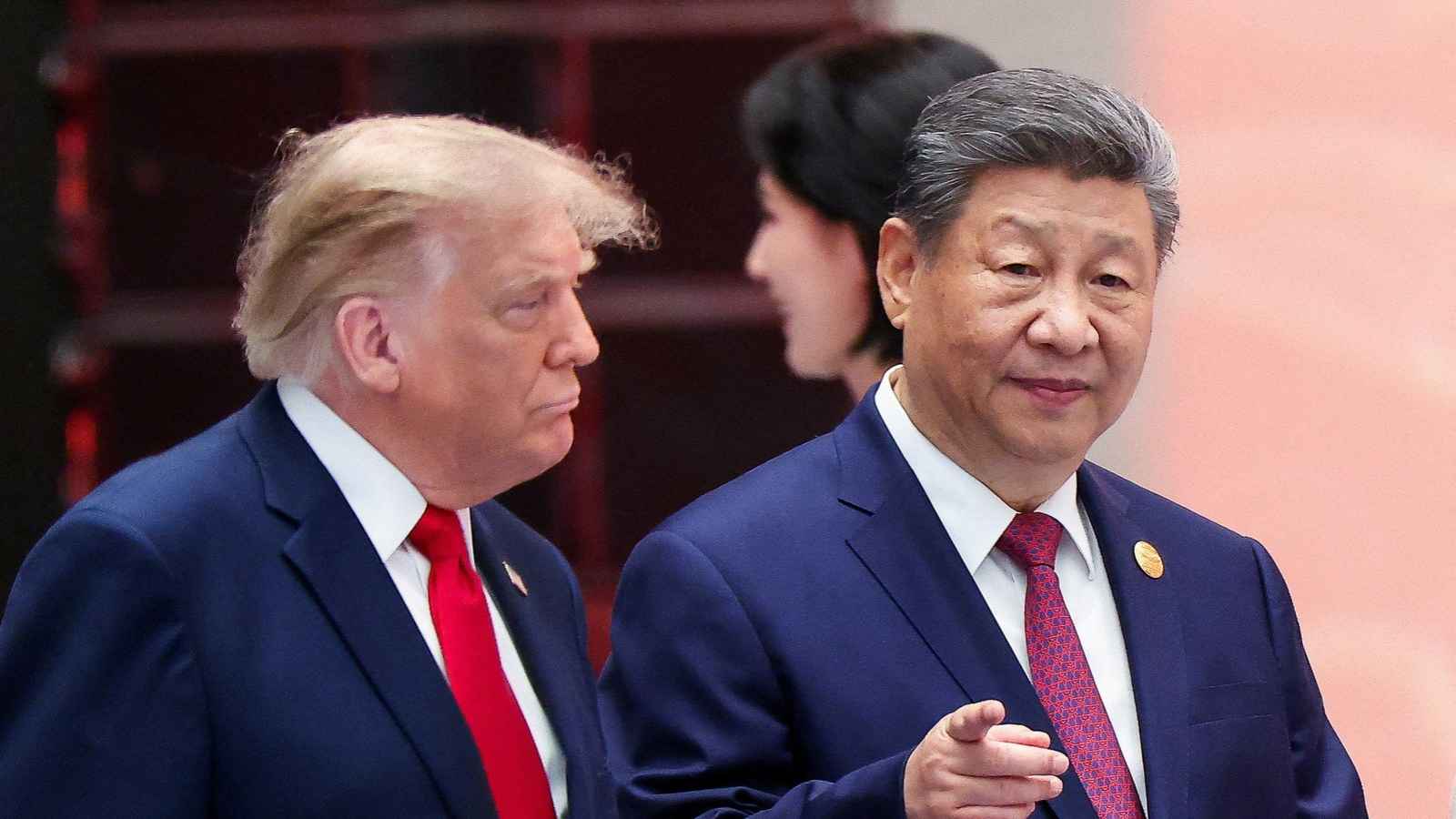
When Iranian Foreign Ministry spokesperson Esmaeil Baghaei called out International Atomic Energy Agency chief Rafael Grossi over nuclear safeguards, he zeroed in on a tension that has haunted non-proliferation diplomacy for decades. Grossi argued there is no double standard between Israel and Iran because their legal positions under the Treaty on the Non-Proliferation of Nuclear Weapons aren't the same. Tehran says that answer hides behind legal technicalities while ignoring power, military strikes, and unkept promises.
Basically, the clash comes down to a sharp disagreement over what fairness means in nuclear oversight. To Grossi and the IAEA's technical mandate, legal status drives verification rules. To Tehran, treating a non-NPT state with an undeclared arsenal differently from an inspected state under military attack looks like politics dressed up as law.
Let's get straight to what happened and why this argument matters right now. Reports covering Baghaei's statement highlight his pushback against Grossi's remarks on how the agency verifies nuclear activities in Iran and Israel. Baghaei challenged the idea that formal treaty membership settles the question of institutional impartiality, pointing both to Israel's position outside comprehensive IAEA safeguards and to differences in how Grossi worded his criticism when facilities faced attacks in Ukraine versus Iran.
Why Iran and Grossi Clash Over Nuclear Safeguards
At the heart of the dispute is a split between treaty text and political reality. Under the NPT, non-nuclear-weapon states that join the treaty accept comprehensive IAEA safeguards to verify that peaceful nuclear material isn't diverted to weapons. States that stay outside the NPT—such as Israel, India, and Pakistan—aren't bound by comprehensive NPT safeguards unless they sign specific facility agreements.
Grossi's defense rests on that legal architecture. If a country isn't an NPT state party, the IAEA doesn't have the same legal authority over its nuclear program that it has over a state that signed up to comprehensive safeguards. From a legalist standpoint, applying different rules to different legal statuses isn't bias; it's following the mandate states gave the agency.
Honestly, that explanation sounds neat on paper until you look at how states experience it on the ground. From Tehran's perspective, citing NPT membership as the end of the story treats a structural flaw in the global order as if it were neutral math. Iran has been subject to intense scrutiny and inspections as an NPT member, while Israel has never officially acknowledged possessing nuclear weapons yet is widely believed internationally to hold an arsenal outside comprehensive IAEA safeguards.
When a country feels squeezed by inspections, sanctions, and military threats while its regional rival sits outside the treaty framework, legal formalism feels less like impartiality and more like a rigged scoreboard.
What the 1995 Middle East Resolution Changed and Didn't Change
Baghaei also brought up the 1995 Resolution on the Middle East, a diplomatic landmark tied to the indefinite extension of the NPT. That resolution called on all states in the Middle East, without exception, to accede to the NPT and place all their nuclear facilities under comprehensive IAEA safeguards. The United States, Russia, and the United Kingdom endorsed it at the time.
If you've followed arms control history for long, you know what happened next. That resolution never produced a Middle East zone free of nuclear weapons or universal regional safeguards. For critics of the status quo, the gap between the 1995 promise and today's reality is proof that major powers prioritize strategic alignments over universal non-proliferation rules.
Still, there's a catch that diplomatic commentators often overlook. Resolutions adopted alongside an NPT review conference carry political weight, yet they don't automatically force a non-party state to sign a treaty or invite inspectors inside undeclared sites. Without consensus among regional governments and sustained backing from major powers, the 1995 text remained an unfulfilled aspiration rather than a binding enforcement tool.
Words, Strikes, and Safeguards in Wartime
The argument over nuclear safeguards didn't stay confined to treaty definitions. Baghaei also pointed to rhetoric surrounding military strikes on nuclear sites, comparing Grossi's sharper condemnation over incidents around Ukraine's Zaporizhzhia Nuclear Power Plant with more cautious phrasing after strikes involving Iran's nuclear facilities by the United States and Israel.
That contrast hits a raw nerve in nuclear diplomacy. For decades, non-proliferation experts worried mainly about covert enrichment or undeclared facilities. Armed conflict against safeguarded nuclear sites introduces a different nightmare altogether: physical damage, radiological risk, and the breakdown of routine verification.
In a war zone, inspectors can't just walk in with a clipboard and sample material like nothing happened. Safety hazards, damaged infrastructure, and active threats make normal monitoring nearly impossible. Reporting from WANA on Iran's Permanent Mission to International Organizations in Vienna noted that Tehran linked the resumption of normal safeguards activities to the removal of security threats stemming from military attacks on its nuclear facilities and related warnings.
Meanwhile, broader coverage of the crisis, including reporting by ANI News, underscores how sharply language choices are scrutinized when tensions escalate. Even small shifts in phrasing—saying "I condemn" in one context while using broader language about not attacking nuclear facilities in another—get read as political signals.
Common Misconceptions About IAEA Authority
People often talk about the IAEA as if it were a global nuclear police force with independent enforcement power. It isn't. The agency monitors, verifies, and reports; its member states on the Board of Governors and the UN Security Council decide what political or diplomatic consequences follow.
Another common mix-up is assuming every country with nuclear technology or nuclear weapons is under the exact same inspection regime. In reality, safeguards vary widely depending on treaty membership, additional protocols, and bilateral or facility-specific agreements. A country outside the NPT isn't automatically violating the NPT by not being in it—because it never joined—though critics argue that very exemption weakens the regime's credibility.
At the same time, it's fair to ask what happens if the IAEA abandons legal criteria altogether. If an international inspectorate starts basing verification rules on political sympathy rather than formal legal mandates, its technical reports could lose credibility with the very governments that rely on objective data.
Practical Ways to Read Safeguards Headlines
When you see headlines about IAEA nuclear safeguards, Iran, and Israel, don't stop at the loudest quote. A few practical habits help separate legal facts from diplomatic spin:
- Check the treaty baseline first: Ask whether a facility or country is covered by comprehensive NPT safeguards, a specific facility agreement, or no safeguards agreement at all.
- Read full statements alongside summaries: Short news clips often compress dense legal arguments into a single punchy line, leaving out qualifiers about safety, access, or mandate limits.
- Separate technical verification from political blame: The IAEA's technical assessments on nuclear material and access aren't the same thing as a Security Council resolution or a foreign ministry's political critique.
- Watch how military escalation alters access: Whenever strikes or threats hit near nuclear sites, physical security and safety concerns immediately complicate routine inspection work.
- Track primary diplomatic records: Look up official IAEA director general remarks and permanent mission statements when available so you can see exact wording rather than second-hand framing.