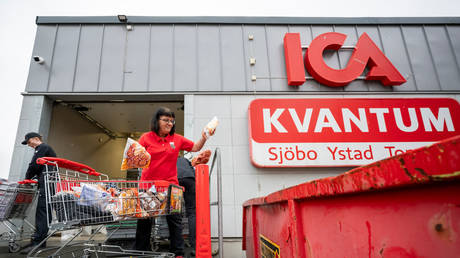
Imagine walking into your local grocery store on a Monday morning to find rows of dairy, meat, and frozen goods sitting in pools of water. The temperature gauges on the display cases read a scorching 50 degrees Celsius. This isn't a simple power outage or a blown fuse. It is a targeted, remote cyberattack.
Across Sweden, Belgium, Luxembourg, Estonia, Finland, Ireland, and the Netherlands, major supermarket chains woke up to a nightmare scenario. Hackers systematically compromised internet-connected refrigeration units, spiked internal temperatures, and forced retailers to dump tons of spoiled food. Coming on the heels of a massive similar assault in France, this second wave proves that the fragile underbelly of our food supply chain is wide open to digital sabotage.
The Anatomy Of A Grocery Store Cyberattack
How do you hack a refrigerator? The answer points straight to industrial control systems and legacy hardware. Many commercial supermarkets rely on remote monitoring tools to manage energy efficiency and keep tabs on food safety. Manufacturers like Danish engineering firm Danfoss built these controllers to talk to the internet, allowing technicians to adjust temperatures without visiting every single store.
Convenience, however, became a massive security liability. Investigators found that many of the targeted units were older models running outdated firmware, or newer systems left exposed to the public internet without proper firewalls, VPNs, or unique passwords. In many cases, attackers used default credentials like 'admin' to waltz right into the system.
Once inside, the playbook was terrifyingly simple. The intruders changed the temperature settings to defrost or heating modes, letting heat destroy millions of euros worth of inventory overnight. ICA in Sweden, Delhaize in Belgium, and various stores across the continent found themselves scrambling to haul rotting merchandise to dumpsters.
Why Legacy Infrastructure Puts Your Food Supply At Risk
We treat supermarkets like physical fortresses, but their operational technology lives in the digital dark ages. Grocery giants and independent retail chains spent decades connecting everything to the internet under the banner of smart retail and energy saving. They didn't prioritize cybersecurity for a box of frozen peas.
Manufacturers built these legacy controllers to last for decades, long before nation-states and criminal gangs started treating grocery store compressors as tactical targets. When a vulnerability drops or an old firmware version stops receiving patches, the hardware stays plugged into the wall anyway. Store managers rarely think about updating a fridge's operating system the way they update their smartphones.
Hackers know this. By targeting commercial refrigeration, bad actors can inflict massive financial pain on retail corporations, disrupt local food distribution, and create widespread public anxiety without ever stepping foot inside a store.
What Retailers Must Do Right Now
Hope is not a security strategy. Grocery executives can no longer treat operational technology as an afterthought managed by local maintenance contractors who lack cybersecurity training.
- Isolate Operational Networks: Refrigeration controllers must never face the public internet directly. Put them behind strict virtual private networks and enterprise-grade firewalls.
- Kill Default Passwords: Change every factory-default credential immediately. If a device ships with 'admin' as a login, it's an open invitation.
- Audit and Patch Legacy Hardware: If older equipment cannot support modern encryption or receive security updates, disconnect it from remote networks or replace it entirely.
- Establish Rapid Incident Response: Store managers need automated alerts and manual override capabilities that work even if the central digital network goes completely dark.
Fixing physical security at supermarkets used to mean locking the back doors. Today, it means locking down the code running the compressors. If retailers don't wake up to this reality, the next wave of attacks won't just spoil food—it will empty the shelves entirely.