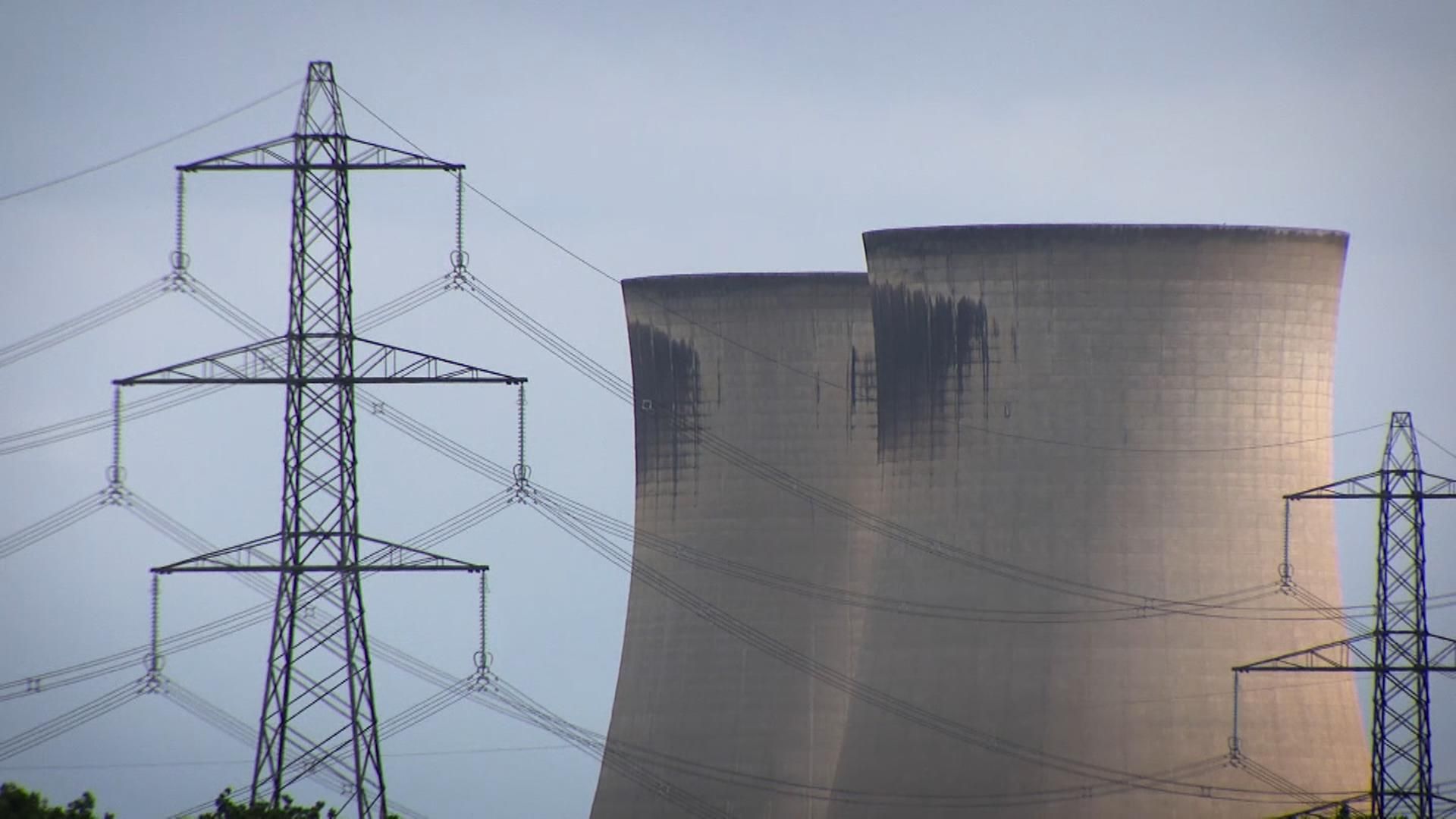
Power stations usually burn things to make electricity, but the massive industrial footprint in North Yorkshire is pivoting toward computation. Drax just dropped plans for a massive AI data centre project that could pull in more than twenty billion pounds of investment.
If you've been following how artificial intelligence strains modern electrical grids, this move makes total sense. Silicon needs heavy juice, and old power stations already have the grid connections everyone else is fighting for.
Let's look at what is actually happening behind the headlines.
The mechanics of the Drax transformation
Drax isn't just handing over a patch of grass. The FTSE 250 energy company teamed up with infrastructure investor Brookfield and AI platform Radiant to build a monster facility. We are looking at a project designed to scale past one gigawatt of capacity.
The timeline moves fast by industrial standards. Phase one targets 100 megawatts by early 2028. By 2031, another 500 megawatts should come online, with even more expansion waiting in the wings.
Why North Yorkshire? Grid access. Building data centres anywhere near London right now is a bureaucratic nightmare because substation capacity is tapped out. Drax sits on massive existing transmission links. Instead of routing power across half the country, the data servers can hook directly into established nodes.
Chief Executive Will Gardiner points out that this secures the site's long-term future while protecting local jobs. Critics, however, point out the irony. Drax remains a massive industrial emitter because it burns woody biomass to generate roughly five percent of the UK's electricity. Trading smoke stacks for server racks doesn't magically erase past environmental debates.
Why sovereign AI infrastructure matters right now
Everyone wants sovereign AI capabilities. European governments are tired of renting compute space from American hyperscalers and routing sensitive data across foreign servers.
Building domestic computing power changes the economic gravity. When you invest billions into local server clusters, you create high-skilled engineering jobs, secure domestic supply chains, and ensure that local tech firms don't have to ship their data halfway across the planet just to train large models.
The north of England has spent decades waiting for meaningful reindustrialisation. Promises are cheap, but twenty billion pounds in hard infrastructure changes local economies overnight. Construction trades, cooling technicians, network engineers, and security teams will find steady employment in a region that desperately needs high-value technical careers.
The hidden bottleneck no one is talking about
Power generation is only half the battle. Cooling servers of this magnitude requires staggering amounts of water and advanced thermal management.
Data centre operators love cold climates and reliable water sources. While Yorkshire has plenty of rain, managing the thermal load of a one-gigawatt facility requires engineering solutions that won't strain local municipal supplies or local river ecosystems.
Furthermore, local planning authorities will scrutinise the noise pollution. Industrial cooling fans running at scale across hundreds of acres create a distinct acoustic footprint. Communities near rural power stations are used to industrial hums, but server farms run continuous high-pitched fan arrays that require heavy acoustic baffling.
What comes next for regional energy hubs
Expect other legacy energy sites across the UK and Europe to copy this blueprint. Coal plants that shut down over the last decade are suddenly prime real estate because their grid interconnects are gold dust.
Energy companies are transforming from simple electricity suppliers into digital landlords. They own the land, they control the electrons, and now they want a cut of the AI boom.
Keep an eye on regulatory approvals over the next twelve months. If the Drax project clears planning hurdles without endless delays, it will set the standard for how heavy industry transitions into the digital age. Stop looking at power stations as relics of the past. They are becoming the digital foundations of the future.


