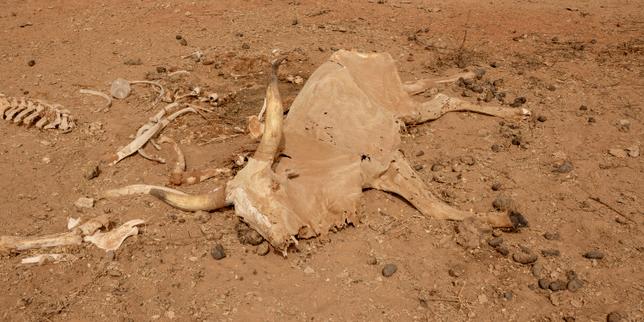
You step outside and the air hits you like an open oven door. At thirty-eight degrees Celsius, just breathing feels like active physical exertion. In various regions of Senegal, particularly as documented by photojournalists in the country's northern and interior zones, this fierce heat isn't a temporary heatwave. It is the permanent baseline for daily survival and labor.
The Reality Of Outdoor Labor Under Extreme Heat
When temperatures consistently hover near thirty-eight degrees, traditional labor cycles shatter. Farmers, builders, and street vendors don't have the luxury of air-conditioned offices. They face a relentless climate where physical productivity plummets and health risks soar.
Research from organizations like the International Labour Organization shows that human cognitive function and physical capacity begin dropping rapidly once ambient thresholds exceed standard comfort levels. At thirty-eight degrees, the body struggles to cool itself through natural perspiration. Workers in northern Senegal face severe threats of dehydration, heat exhaustion, and long-term renal stress simply by showing up to earn a living.
People adapt out of necessity, not comfort. Agricultural workers in the north shift their schedules dramatically, starting before dawn and pausing entirely during the brutal midday peak. Yet, tasks requiring heavy endurance under the sun still demand punishing hours.
Adapting To A Warming Climate
Local communities are testing various coping mechanisms to withstand escalating temperatures. Traditional architecture utilizes specific earth and clay bricks designed to insulate interiors, though modern concrete structures often trap heat like ovens. Farmers experiment with micro-irrigation and shading techniques to protect crops from scorching winds, but water scarcity remains a constant barrier.
Solutions require structural investment rather than individual endurance alone. Better access to shaded rest areas, reliable cool water distribution, and revised labor regulations during peak heat hours are essential for protecting the workforce. Without systemic adaptation, the economic toll on outdoor laborers will only deepen as global temperatures continue their upward trajectory.
Take practical steps when evaluating climate resilience in hot regions by prioritizing early morning workflows, maintaining strict hydration protocols, and designing structures with proper natural ventilation to combat sustained high temperatures.