For over a century, Egyptologists stared at rows of humble graves surrounding the tombs of early pharaohs and wondered. Did these servants die willingly, or were they slaughtered to accompany their king into the afterlife? A recent forensic examination of ancient skulls finally provides hard, physical answers.
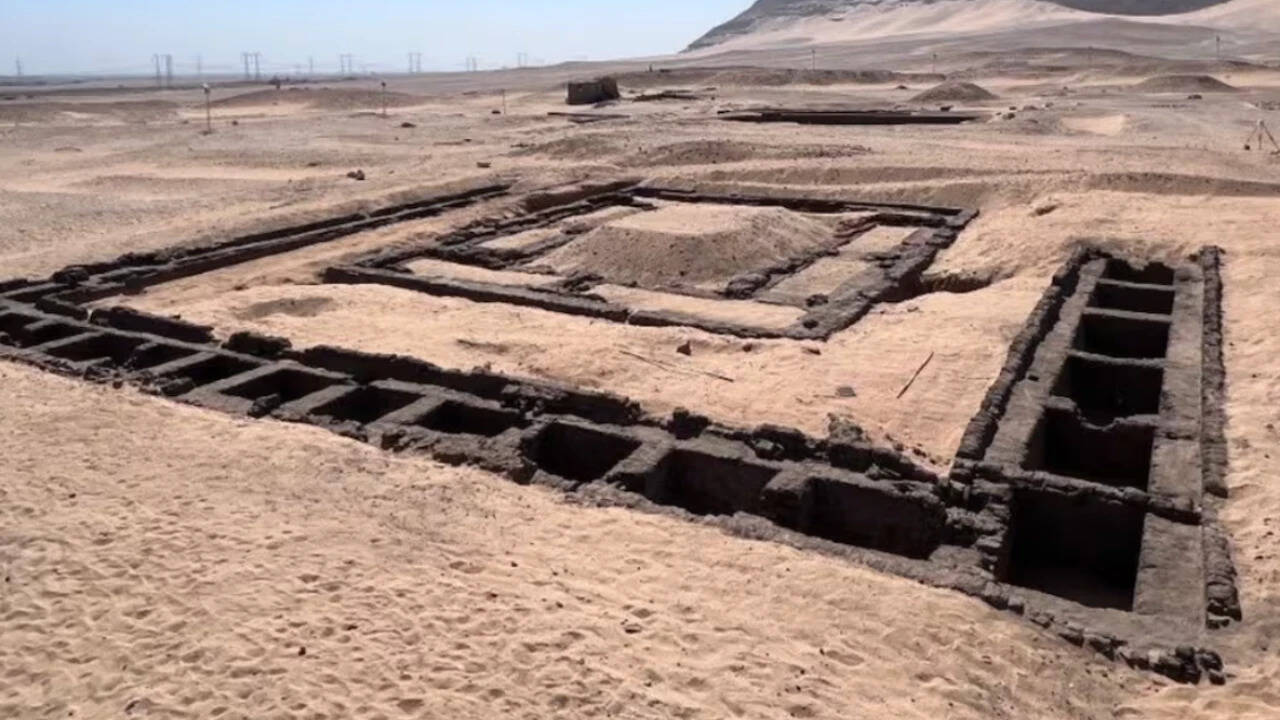
People have debated early dynastic Egyptian mortuary customs for generations. When British archaeologist Flinders Petrie excavated the royal cemetery at Umm el-Qa'ab near Abydos in the 1920s, he uncovered hundreds of subsidiary graves encircling the tombs of First Dynasty rulers like King Djer, King Djet, and Queen Merneith. These plots held seal-bearers, artisans, and court ladies who served the ruling elite around 3000 BC. Petrie suspected human sacrifice. Yet, because he found no obvious signs of physical trauma on the bones, alternative theories took root. Some scholars argued these retainers died natural deaths over time and underwent reburial near their masters. Others suggested live burial without violent resistance.
Recent scientific investigation changes everything.
Physical Evidence Inside The Royal Tombs
Dr. Roselyn Campbell of Purdue University took a fresh look at 46 retainer skulls housed in the Duckworth Collections at the University of Cambridge. Instead of relying solely on surface excavation logs from a century ago, Campbell applied modern forensic techniques to the actual remains.
The findings are stark. Eighteen of the examined skulls bore distinct, potentially lethal trauma. Blows, fractures, and even a sharp chop injury to an eye socket turned up during the analysis.
Petrie likely missed these fractures. They look similar to post-mortem damage caused by shifting earth and centuries of pressure, but close scrutiny reveals distinct peri-mortem characteristics. These wounds occurred right around the time of death.
The weapons used don't match standard dynastic iconography either. Ancient Egyptian wall art loves to portray kings wielding heavy maces to smash enemies. But the shape and pattern of these skull fractures point to flat, wide implements crafted from dense wood or antler rather than royal stone maces.
Why Early Egypt Practiced Retainer Sacrifice
Human sacrifice wasn't unique to early Egypt. Early states across Mesopotamia, China, and Mesoamerica routinely buried servants, guards, and wives alongside monarchs to maintain social hierarchy in the next world.
In Egypt, this brutal practice didn't last long. The heavy concentration of subsidiary graves appears abruptly with the First Dynasty and vanishes just as quickly by the start of the Second Dynasty. Cultural shifts and changing religious philosophies made mass killings politically untenable or spiritually unnecessary.
Why did it stop? Experts suggest practicality played a massive role. Rulers realized that slaughtering skilled artisans, scribes, and administrators every time a king died depleted the kingdom of vital talent. Society evolved, and the physical sacrifice of human beings faded into history.
Instead, ancient Egyptians pivoted to clever substitutes. Ushabti figures—small, stylized statuettes carved from wood, stone, or faience—began filling tombs instead of living bodies. These little statues took over the heavy spiritual labor of the afterlife, letting actual workers live out their natural lives.
The Grim Reality At Abydos
Imagine standing outside a royal enclosure at Abydos in 3000 BC. The air smells of dust, cedar oil, and rising panic.
Not every retainer walked willingly to their end. While some courtyard officials might have bought into the theological promise of eternal service beside a living god-king, others surely fought for their lives. The skull fractures tell a story of compliance forced by blunt instrument trauma. It was messy, violent, and fast.
We only have a small sample size from a massive historical puzzle, and plenty of questions remain unanswered. Not every excavated skull showed fractures, meaning some retainers may have met different fates. But the romantic notion of peaceful, voluntary mass entombment is gone.
History isn't always clean or civilized. Sometimes, unearthing the truth requires looking past the polished monuments of pharaohs and examining the broken bones left behind in the dirt.