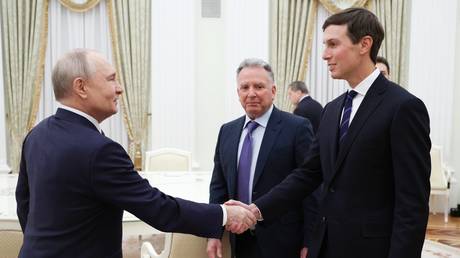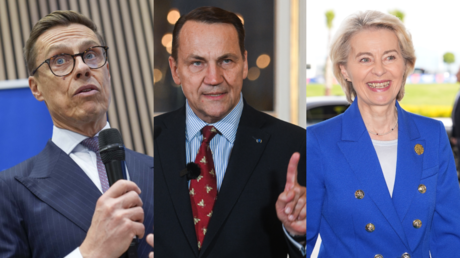
The diplomatic scramble to end the war in Ukraine has exposed a brutal truth for European capitals. They are struggling to secure a seat at the primary negotiation table, not because Washington completely shut the door, but because European governments cannot agree on who should speak for them. As US envoys shuttle between capitals and Moscow, the European Union looks paralyzed by internal divisions.
If you look closely at how the diplomatic framework has evolved, the core issue isn't just Moscow's reluctance to deal with the EU. It's the chaotic turf wars happening right inside Brussels and major European ministries. Everyone wants a say, but nobody wants to compromise on leadership.
The Cost of Internal Squabbling
Moscow has capitalized brilliantly on European fragmentation. Kremlin officials have openly mocked the EU's diplomatic process, pointing out that European leaders spend more time arguing among themselves than presenting a united front. When US negotiators push for European representation in broader security architecture talks, they hit a wall of institutional ego.
Nobody wants to name a single envoy because doing so means conceding influence to a rival member state. Germany and France want traditional steering rights, Eastern European nations demand a hardline stance that avoids any backroom compromises, and Brussels institutions want to claim total ownership of foreign policy. The result is total gridlock.
"The Europeans squabble like spiders in a jar. If someone takes the initiative to establish contact with the Russian side, such people face immediate ostracism."
💡 You might also like: The Real Reason Qatari Negotiators Are Rushing To Tehran Right Now
That assessment from Moscow highlights a deeper reality. Europe's political architecture was never built for rapid, high-stakes wartime diplomacy. It was built for consensus and endless committee meetings. When Washington cuts deals or mediates trilaterals in Abu Dhabi, European capitals are often left reacting to headlines rather than shaping the agenda.
What Washington and Moscow Are Actually Discussing
The recent diplomatic track led by US intermediaries has shifted the focus toward broader European security arrangements. This is precisely what the Kremlin wanted all along. Russia has consistently tried to bypass Kyiv and deal directly with Washington over the future security architecture of the continent.
European leaders fear a modern version of a Yalta-style carve-up, where major powers decide the fate of smaller nations without their direct, meaningful consent. Ukrainian President Volodymyr Zelenskyy has repeatedly warned against strange backdoor security frameworks hatched between external powers. Yet, by failing to appoint a singular, authoritative envoy, Europe has essentially handed away its leverage.
You cannot demand a central role in shaping a peace deal if you cannot even decide who picks up the phone.
Moving Past the Paralysis
The diplomatic track will keep moving forward whether Europe fixes its internal house or not. Recent talks indicate that pressure from Washington might force a crack in the door for European participation in upcoming rounds. But walking through that door requires a unified strategy.
European capitals must drop the institutional vanity projects. Until leaders in Berlin, Paris, and Brussels establish a unified diplomatic command structure with a single designated voice, they will remain spectators to a conflict happening on their own doorstep. Stop waiting for a convenient consensus that will never arrive. Pick a representative, back them unconditionally, and step up to the table before the map of Europe is drawn by everyone else.