Satellites don't last forever. Eventually, gravity wins.
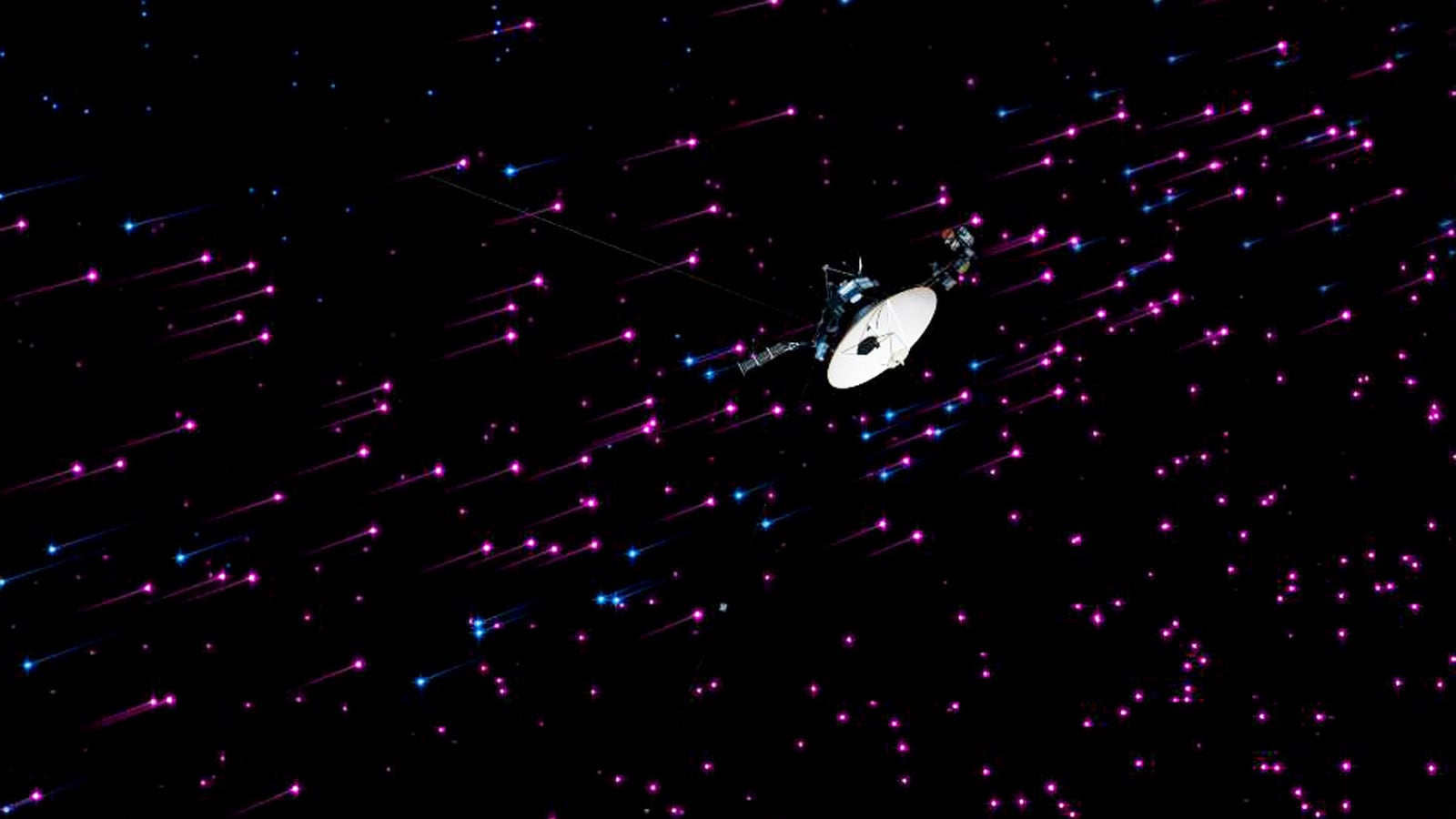
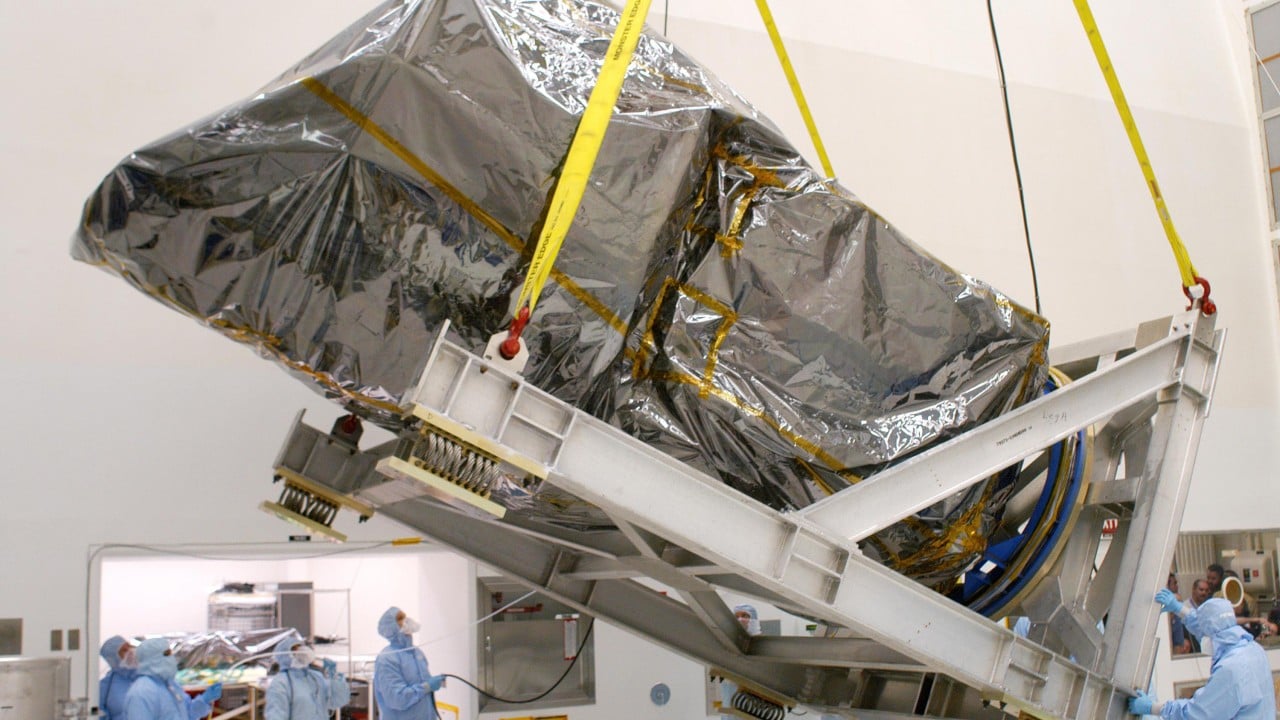
NASA's legendary Neil Gehrels Swift Observatory recently met its fiery end, plunging back into Earth's atmosphere at 22 times the speed of sound and burning up over Indonesia's North Sumatra region. Originally built for a modest two-year run back in 2004, this 3,200-pound workhorse stuck around for over two decades.
It wasn't just another dead piece of space junk crashing back home. Swift functioned as the undisputed first responder of deep space. When violent, high-energy explosions ripped across the universe, Swift spotted them first and tipped off heavyweights like the Hubble and James Webb Space Telescopes so they could turn their gaze toward the action.
Now that it's gone, astronomy has a massive blind spot.
The Real Cost of a Failed Rescue Mission
You might wonder why a $500 million observatory was allowed to burn up instead of being saved. The truth is, space agencies tried.
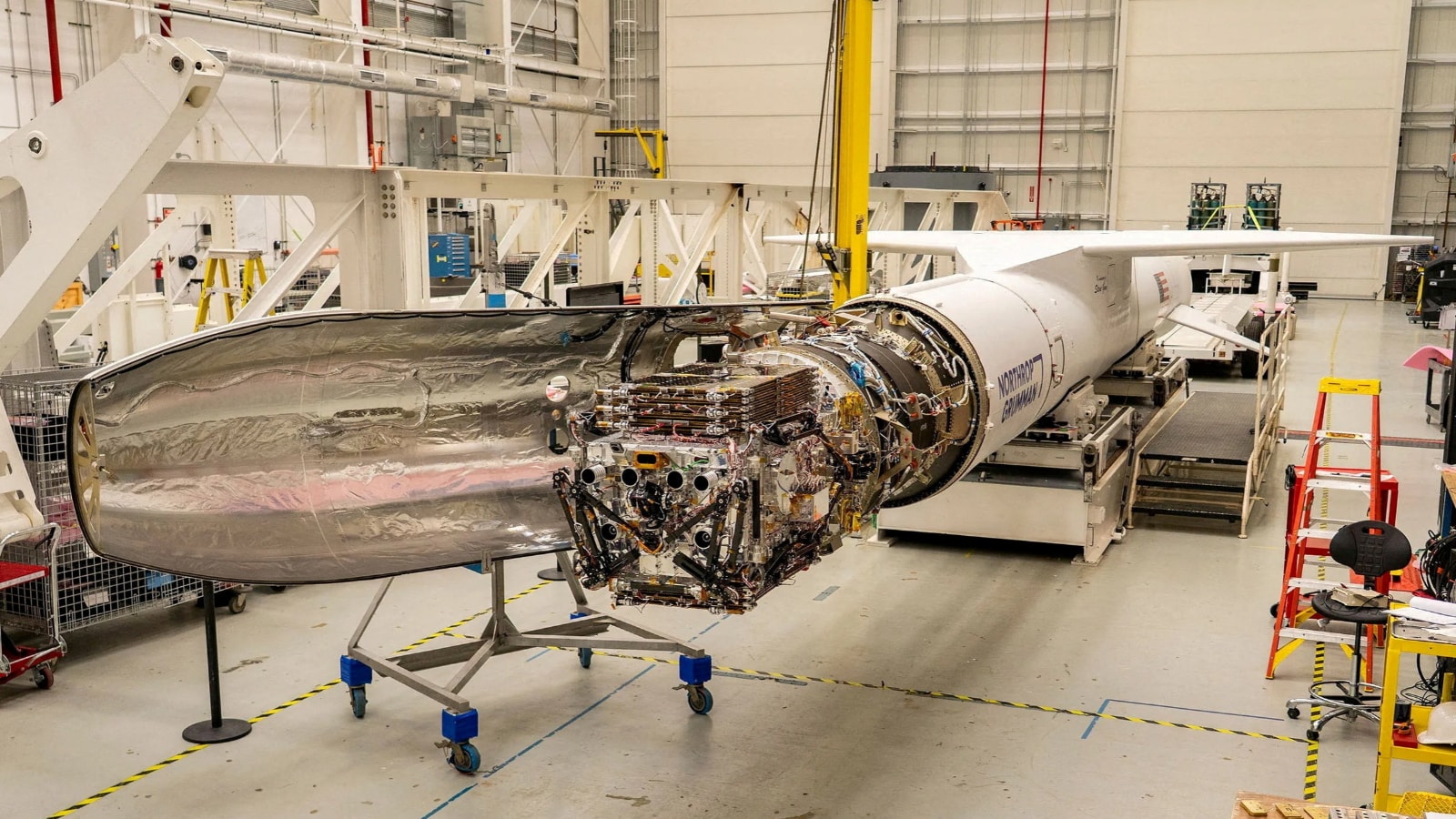
Months before its final plunge, a private sector rescue attempt aimed to bump the satellite into a higher, safer orbit. That mission fell short. By August, mission managers pulled the plug on the rescue effort, accepting that Swift's orbital decay was inevitable.
Without fuel for maneuvering, atmospheric drag took over completely. By late October, the satellite dropped to roughly 171 miles above Earth, losing the stability required to lock onto targets. Penn State operators sent the final commands to shut down its systems, leaving the telescope to drift toward its doom.
Most of the spacecraft disintegrated upon re-entry as expected. Aerospace engineers noted that only a few hyper-dense fragments, such as tungsten components and pieces of specialized mirrors, likely survived to hit the surface. Statistically speaking, nobody got hurt—decades of orbital re-entries have never resulted in a single human casualty from falling debris. Still, watching a half-billion-dollar scientific asset turn into shooting stars over Indonesia marks a bitter pill for the astrophysics community.
Why Swift Changed Modern Astronomy Forever
Before Swift arrived, catching a gamma-ray burst—the most violent electromagnetic events in the universe—felt like finding a needle in a cosmic haystack. These explosions last mere seconds or minutes. By the time astronomers pointed traditional ground-based telescopes at them, the light show was over.
Swift changed the game entirely. Equipped with three distinct multi-wavelength instruments, it automatically detected these bursts and beamed coordinates to international laboratories within seconds.
During its 22-year tenure, Swift racked up an impressive resume:
- Tracked over 2,000 cosmic gamma-ray bursts.
- Observed more than 1,400 exploding stars and supernovas.
- Collected roughly 12 terabytes of public archive data, including over 1.5 million ultraviolet and optical images.
It didn't just look at distant galaxies. Swift also monitored supermassive black holes, stellar X-ray flares, and even tracked comets passing through our own solar system.
What Happens Now
Losing Swift leaves an open wound in time-domain astronomy. Giant observatories like Webb and Hubble see deeply, but they lack Swift's wide-angle, hair-trigger reflexes. Researchers are scrambling to figure out how to fill the gap left by a telescope that routinely acted as the universe's ultimate early-warning system.
For now, scientists must rely on the massive data trove Swift left behind. Its final operational days are over, but its discoveries will fuel astrophysics research for decades.